
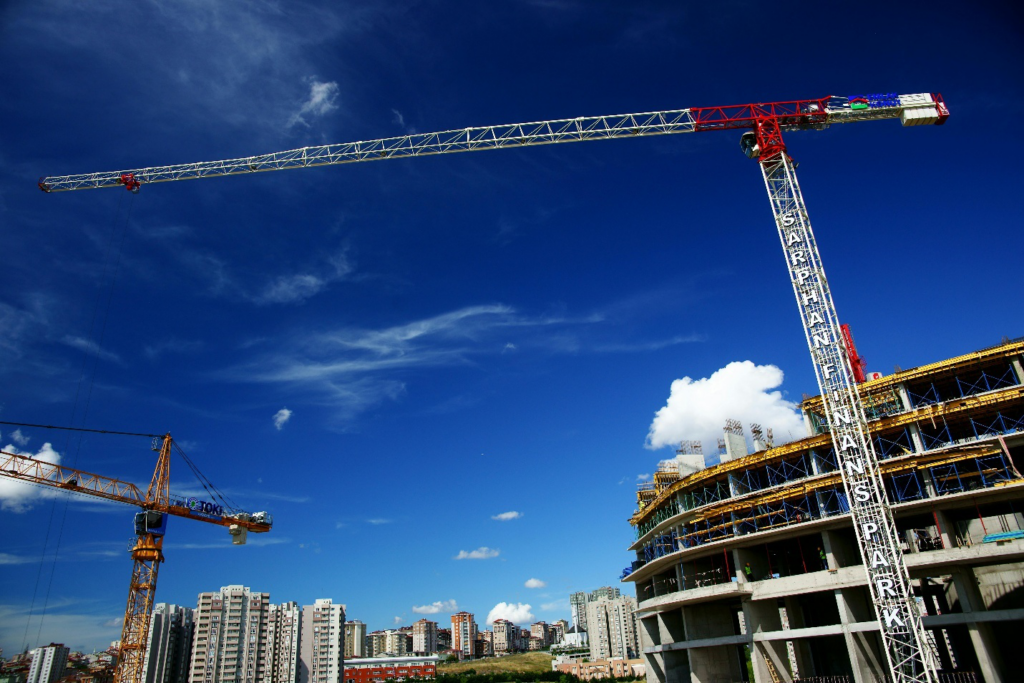

Delays in construction projects are common but often avoidable. Understanding the primary causes of delays can help project owners take proactive steps to minimize disruptions and maintain project timelines. Below are the five most frequent causes of construction schedule delays every owner should be aware of.
1. Design Changes
Design changes are a frequent cause of delays. These can occur for various reasons, such as modifications in project scope, changes in client preferences, or adjustments due to unforeseen conditions during construction. When design changes are made, they often require updating plans, obtaining new permits, and reordering materials. These actions disrupt the established timeline and result in additional costs. Owners should anticipate potential design changes early and include time in the schedule for revisions.
2. Late Approvals
Another significant cause of delays is late approvals. Construction projects require numerous approvals from regulatory bodies, such as permits, inspections, and sign-offs for changes. If these approvals are delayed, work cannot proceed as scheduled. Late approvals can come from local authorities, clients, or other stakeholders. These delays often happen without warning and can be difficult to plan for, leading to project holdups. Owners should work closely with regulatory agencies to ensure that all approvals are obtained on time and should factor in buffer time for these procedures.
3. Poor Planning
Poor planning is a key factor in many delays. If the project manager or team fails to account for all variables, such as the availability of materials, labor shortages, or realistic timelines, the project can experience setbacks. Poor planning can lead to misallocation of resources, missed deadlines, and inefficient workflows. For example, failing to schedule critical tasks in the correct order can result in one contractor waiting for another to finish, causing unnecessary downtime. Owners should invest in comprehensive planning that includes realistic timelines, available resources, and contingency plans for potential issues.
4. Weather Impacts
Weather impacts are an uncontrollable factor that can affect construction timelines. Adverse weather conditions, such as heavy rain, high winds, or extreme temperatures, can prevent workers from performing tasks safely or delay the delivery of materials. While weather can’t be controlled, owners can plan for such disruptions by incorporating weather-related contingencies into the construction delay analysis in San Diego, CA. This will allow for adjustments in the timeline when necessary, helping to minimize the overall impact of weather-related delays.
5. Contractor Coordination Issues
Contractor coordination issues can cause significant delays in construction. When subcontractors and contractors fail to communicate properly or align their schedules, tasks get delayed. This miscommunication can lead to one contractor waiting on another to complete their work, causing a ripple effect throughout the project. It’s important for owners to establish clear communication channels, ensure proper coordination between all teams, and monitor progress regularly. This ensures that tasks are completed in the right order and reduces downtime caused by coordination problems.
Managing Delays Effectively

By recognizing these common causes of delays, owners can take proactive measures to reduce their impact on the project timeline. Proper planning, timely approvals, and proactive management of design changes and coordination issues are key to maintaining a smooth project flow.
If you’re facing delays in your construction project, HPM Consultants offers expert construction claims and delay analysis consulting to help resolve issues and keep your project on track.
Contact us to strengthen your construction schedule and avoid delays.