


Construction delays are common in complex projects. Weather, design revisions, site conditions, and coordination problems frequently affect progress. Contractors may experience real delays that impact costs and timelines.
The challenge arises when those delays are not supported by proper documentation. Delay claims require a clear narrative supported by reliable schedules, notices, and project records. When those elements are missing, claims lose credibility quickly.
A construction delay expert witness reviewing a claim must be able to trace the sequence of events that led to the delay. Without reliable records, the analysis becomes uncertain, and the claim weakens.
Weak Baseline Schedules Create Immediate Problems
The baseline schedule is the starting point for evaluating delay. It defines how the project was planned and how activities were expected to progress.
Many contractors create baseline schedules only to satisfy contract requirements. These schedules may contain unrealistic durations, incomplete logic relationships, or missing activities.
When the baseline schedule is weak, it becomes difficult to determine whether the project was delayed at all. Analysts must compare actual performance against the planned schedule. If the original schedule was flawed, the comparison becomes unreliable.
A construction scheduling expert witness often spends significant time reconstructing the schedule to understand how the project should have progressed. This process introduces uncertainty and weakens the contractor’s position.
Baseline schedules must reflect realistic planning, proper sequencing of activities, and a complete representation of project scope.
Early Documentation Failures
Documentation problems usually begin in the early stages of a project. Contractors may focus on field production and overlook administrative recordkeeping.
This creates several risks:
- Site instructions may not be documented clearly
- Delays may not be recorded when they occur
- Communications about schedule impacts may remain informal
- Project correspondence may not capture responsibility for changes
These early gaps become serious problems during dispute resolution. A construction damages expert witness relies on records to demonstrate how events affected the project timeline and costs.
When those records are incomplete, the expert analysis becomes more difficult to support.
Delayed Notice of Delay Events

Many construction contracts require contractors to provide notice when events may affect the schedule. These notices allow owners and project managers to evaluate the issue early and respond appropriately.
Contractors sometimes delay providing notice because they hope the issue will resolve quickly. Others may not fully understand the contractual notice requirements.
A delayed notice can weaken a delay claim in several ways.
First, it creates uncertainty about when the delay actually began. Second, it limits the ability of the owner or project team to address the issue promptly. Third, it may violate contractual procedures that are necessary to preserve the claim.
A delay damages expert witness often reviews notice procedures to determine whether the contractor complied with contract requirements. When notice is delayed or missing, the claim may face serious challenges.
Poor Recordkeeping Throughout the Project
Daily reports, meeting minutes, photographs, schedule updates, and correspondence form the backbone of delay analysis. These records provide the factual timeline that experts use to evaluate claims.
Poor recordkeeping makes delay analysis difficult because the sequence of events becomes unclear.
Common recordkeeping problems include:
- Missing daily site reports
- Incomplete schedule updates
- Lack of documentation for design changes
- Limited records of site conditions
- Informal communications without written confirmation
A delay construction damages expert must reconstruct the project history using available documents. When records are inconsistent or incomplete, the reconstruction becomes less reliable.
Strong documentation allows experts to demonstrate how delays developed and how they affected project completion.
Misaligned Project Controls
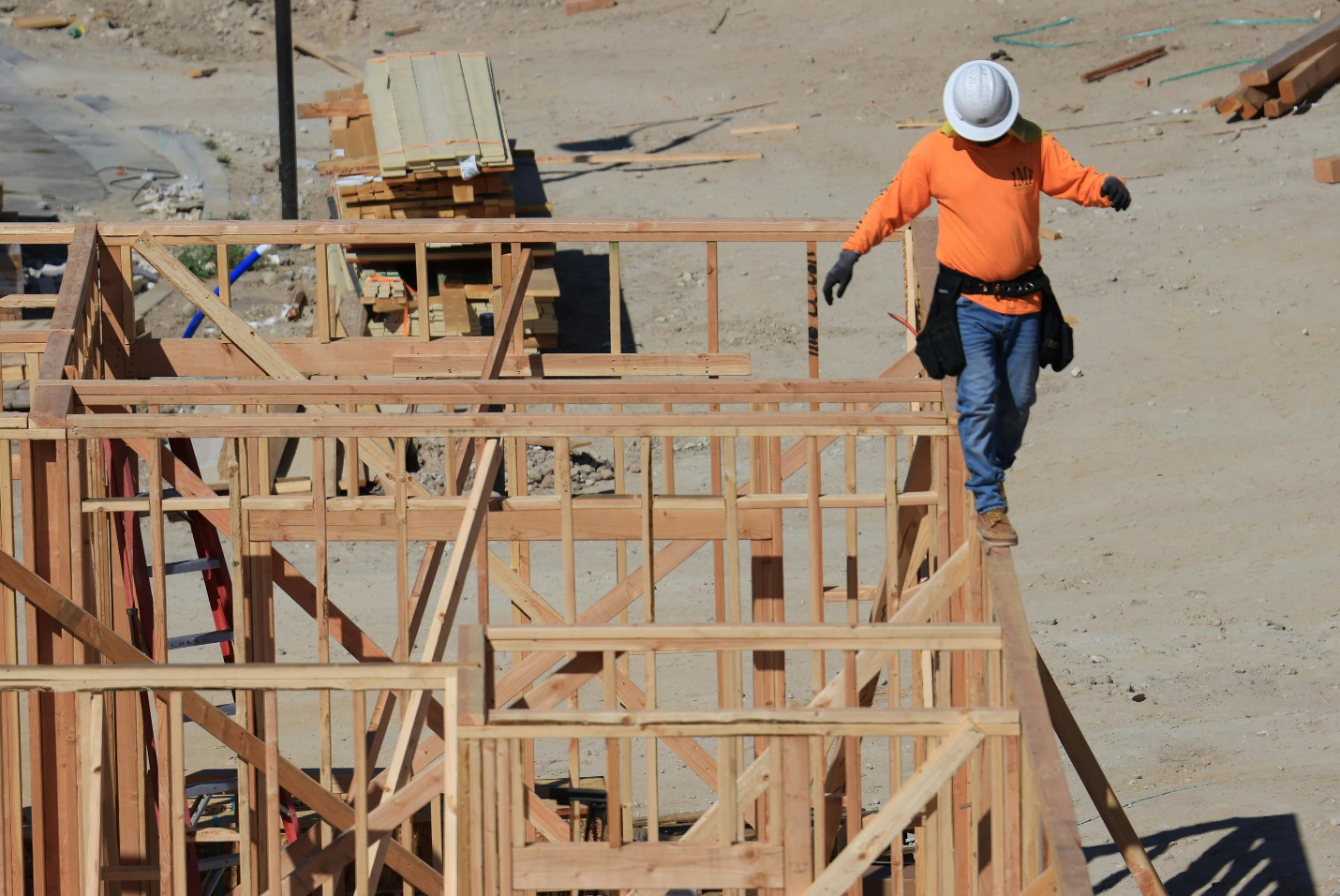
Project controls include scheduling, cost tracking, risk monitoring, and progress reporting. When these systems are aligned, they provide a clear picture of project performance.
Problems arise when these systems operate independently without coordination.
For example:
- Schedule updates may not reflect actual site conditions
- Cost reports may not track delay-related expenses
- Progress reports may conflict with schedule updates
When project controls are misaligned, the project records begin to contradict each other. This creates confusion when analysts attempt to evaluate delays.
A construction claims expert witness must reconcile these records to establish a consistent project timeline. When contradictions remain unresolved, the credibility of the delay claim suffers.
Strategic Mistakes in Claim Preparation
Even when delays are properly documented, strategic mistakes during claim preparation can undermine the contractor’s position.
Some contractors prepare claims without fully analyzing the schedule impacts. Others rely heavily on narrative explanations without technical analysis.
Effective delay claims require both.
Technical analysis explains how delays affected the project schedule. Narrative explanations describe the events and decisions that led to those delays.
A construction delay expert witness in Los Angeles evaluating a claim often examines whether the claim includes a structured delay analysis. Without this analysis, the claim may appear speculative.
Strategic preparation ensures that the claim is supported by both technical evidence and clear documentation.
Why Early Project Decisions Matter
The strength of a delay claim is determined long before the claim is submitted. The decisions made during project planning, scheduling, documentation, and communication all affect how delays can be analyzed later.
Contractors who maintain strong schedules, accurate records, and clear communications create a solid foundation for potential claims. Those who overlook these practices may struggle to prove delays even when they occurred.
Experts involved in delay analysis often observe that the most successful claims are supported by consistent project controls and disciplined documentation from the beginning of the project.
The Importance of Consistent Schedule Updates

A project schedule is not a document that should remain static after the project begins. It must be updated regularly to reflect actual progress, changes in sequencing, and new conditions that affect the work. Consistent updates allow the project team to track how activities shift over time and how delays develop within the schedule.
When schedules are updated inconsistently, it becomes difficult to determine when delays actually occurred. Analysts rely on these updates to understand the evolving condition of the project. Without reliable schedule updates, a construction scheduling expert witness may struggle to evaluate how schedule changes affected the project timeline.
Contractors who maintain consistent schedule updates create a clear timeline of events. This timeline becomes one of the most valuable tools when a delay claim must later be examined.
Communication Breakdowns That Weaken Claims
Communication problems frequently undermine otherwise valid delay claims. When project teams rely on informal conversations instead of documented communication, important information can be lost. Decisions made during meetings or discussions may never appear in written records.
This becomes problematic during disputes because delayed claims depend on documented evidence. Emails, meeting minutes, progress reports, and formal correspondence help establish how decisions were made and when issues were raised.
When communication is poorly documented, it becomes harder to demonstrate responsibility for delays. Clear and consistent communication records strengthen the factual timeline that supports delay analysis.
Protecting Delay Claims with Expert Guidance

Our team at HPM Consultants carefully reviews project schedules, documentation, and management decisions to determine how delays developed and how they affected project performance.
We help clients evaluate delay events, identify responsibility, and present clear technical explanations supported by reliable records and schedule analysis. Our specialists also provide consulting and testimony when projects face disputes related to delay claims and schedule impacts.
As a trusted construction claims expert witness, we work closely with project teams and legal counsel to analyze construction schedules, project records, and delay-related damages. Our goal is to bring clarity to complicated project timelines and help clients present strong, well-supported claims.
Contact us today to discuss your project and receive guidance from experienced delay analysis specialists.