
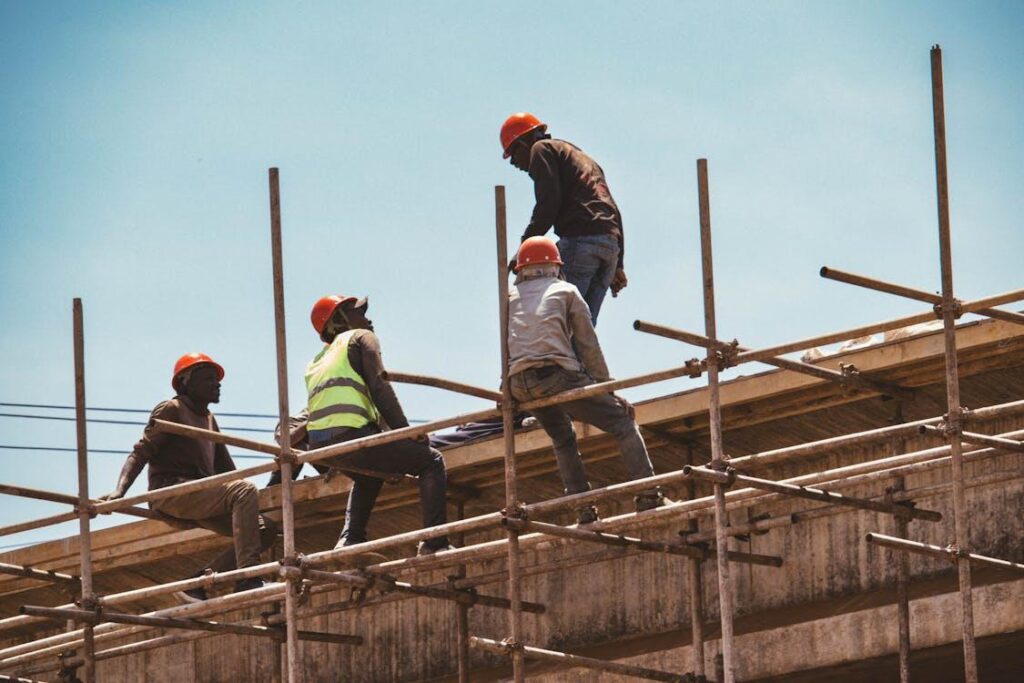

In construction disputes, accurate delay analysis is essential for determining responsibility, quantifying damages, and supporting claims. However, a growing problem in the industry is the tendency to force projects into standard delay models without accounting for the unique circumstances of each project. Standardized models, while useful for basic scheduling, often fail to reflect real-world complexities such as concurrent delays, unexpected site conditions, and contractual nuances. Working with a construction delay expert witness can help ensure that analysis is tailored to the project, providing defensible results in legal and arbitration settings.
Understanding Standard Delay Models
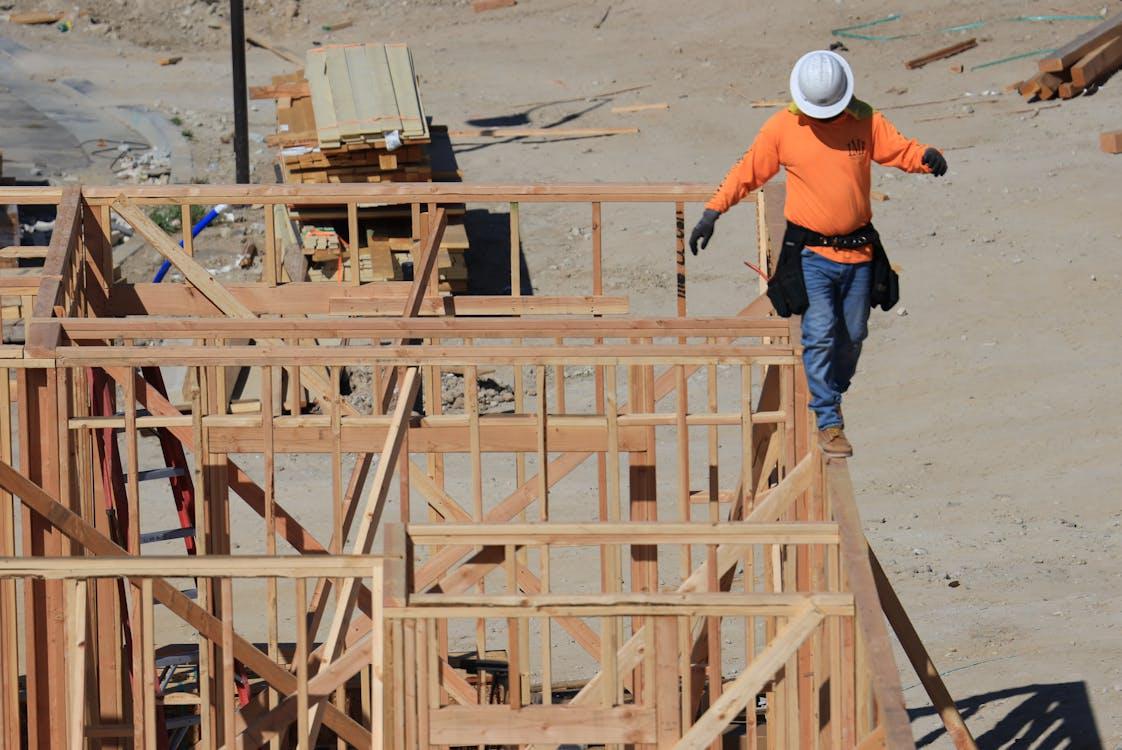
Standard delay models, such as the As-Planned vs. As-Built method, Impacted As-Planned, and Time Impact Analysis, provide structured ways to assess delays. These models rely on assumptions about the project schedule, sequencing, and causal relationships. While they can be effective in straightforward projects, their application becomes problematic when projects are complex, poorly documented, or heavily impacted by concurrent events.
Rigidly applying a standard model often ignores real project conditions. For example, delays caused by weather, regulatory changes, or unforeseen site conditions may not fit neatly into a single methodology. This can result in misleading conclusions about responsibility and the magnitude of delays.
Why One-Size-Fits-All Approaches Fail
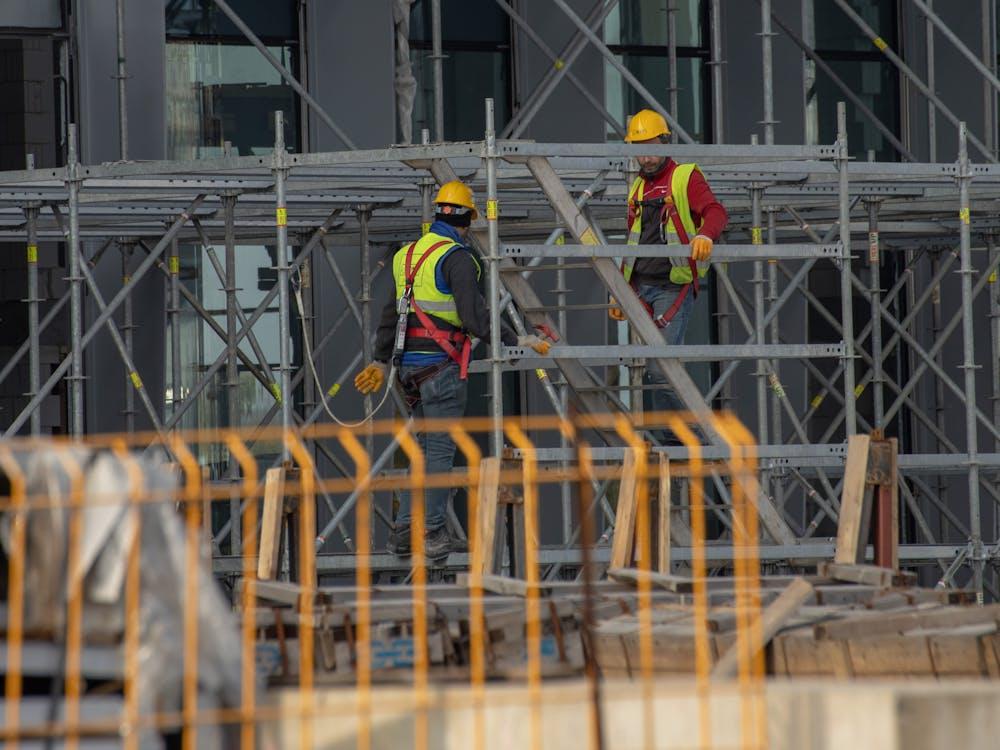
One-size-fits-all approaches assume that all projects follow predictable sequences and that delays can be isolated easily. In reality, construction projects involve multiple stakeholders, overlapping activities, and frequent changes to scope or schedule. When these variables are not properly accounted for, standard delay models can oversimplify complex scenarios.
Oversimplification can lead to inaccurate assessments of critical path impacts and concurrent delays. It may also obscure the real causes of project overruns, making claims more vulnerable to challenge by owners, contractors, or opposing counsel.
The Importance of Tailored Delay Analysis
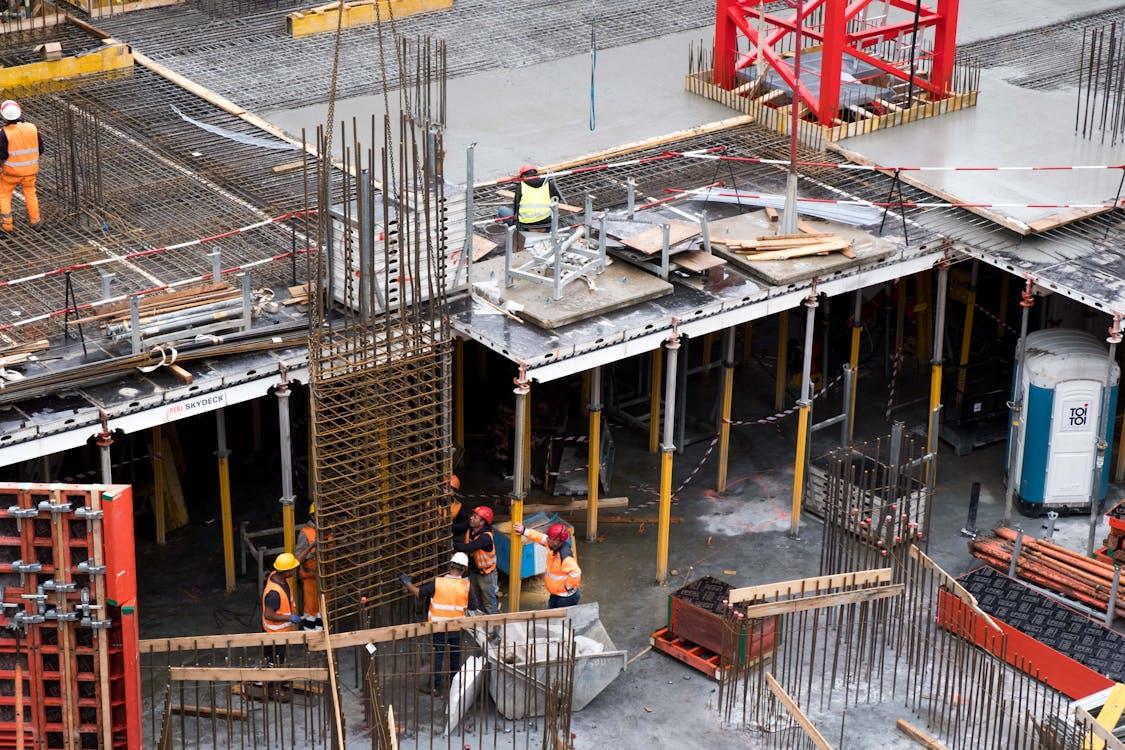
Tailored delay analysis accounts for the specific circumstances of a project, including unique scheduling, contractual obligations, and external factors. A construction delay expert witness can review project records, assess the impact of concurrent delays, and apply the most appropriate methodology for the situation.
By customizing the analysis, the expert can provide a more accurate representation of the project timeline and the true impact of delays. This approach strengthens claims, supports defensible conclusions, and improves the likelihood of successful dispute resolution. Moreover, tailored analysis allows the expert to consider project-specific nuances, such as resource constraints, subcontractor performance, or unusual site conditions, that standard models might overlook. By integrating these variables into the methodology, the resulting analysis is both precise and credible, giving contractors and owners a clearer understanding of delay causes and potential remedies. Early engagement of an expert ensures that adjustments are made in real time, reducing the risk of incomplete or biased reporting.
Risks of Forcing a Standard Model
Forcing a project into a standard delay model carries several risks:
- Inaccurate Responsibility Assignment:Oversimplified models may misattribute delays to the wrong party, leading to disputes and potential liability. This can affect claims for damages or extensions and create unnecessary friction between contractors and owners.
- Reduced Credibility in Arbitration or Court:Courts and arbitration panels expect analysis that reflects real-world project conditions. A rigid model may appear unreliable or biased, undermining the contractor’s position and reducing confidence in expert testimony.
- Ignoring Concurrent Delays:Standard models often fail to account for multiple overlapping delays, reducing the accuracy of the final assessment. Concurrent events can interact in complex ways that oversimplified models do not reflect.
- Misrepresentation of Critical Path:Critical path calculations are sensitive to sequencing, and standard models may not reflect the actual flow of work. This misrepresentation can affect calculations of delay duration and associated costs.
Additionally, forcing projects into standard models can overlook contract-specific requirements, such as unique milestone definitions or liquidated damages provisions, which may significantly influence the outcome of a claim. Experts often need flexibility to integrate contractual obligations with real project conditions to ensure analysis aligns with legal and industry expectations.
Concurrent Delays and Their Complexities
Concurrent delays occur when two or more events impact the project schedule at the same time. Standard models are often ill-equipped to analyze these situations accurately. For example, if one delay is caused by the owner and another by the contractor, a rigid model may not separate the impacts, potentially diminishing recovery or overstating liability.
A construction delay expert witness can apply advanced methodologies to quantify the impact of each contributing factor accurately. This ensures that concurrent delays are fairly assessed and reflected in the overall analysis. Moreover, expert analysis can highlight the interaction between delays, such as how a contractor’s late material delivery may exacerbate the impact of weather-related disruptions. Properly documenting and quantifying concurrent delays ensures claims are fair and defensible while providing arbitration panels or courts with a complete, evidence-based understanding of the project timeline. This level of analysis can be critical in avoiding costly disputes or misinterpretation of project events.
The Role of Documentation in Tailored Analysis
Accurate delay analysis relies on robust project documentation. Daily reports, schedules, correspondence, and meeting notes provide the foundation for evaluating delays. Tailored analysis considers all available records and identifies gaps that may affect conclusions.
Projects forced into a standard model often fail to incorporate all relevant documentation. This can lead to incomplete assessments and misrepresentation of the true timeline. An expert witness can identify missing records, verify assumptions, and ensure the analysis is grounded in actual project data. Furthermore, comprehensive documentation allows experts to cross-check reported delays against real events, such as delivery logs, site photographs, or contractor reports. Without this depth, claims risk being challenged as speculative or unsupported. Strong documentation also helps resolve disputes more efficiently, as clear evidence supports negotiations or legal proceedings without relying on incomplete recollection or conflicting testimony.
Communication and Stakeholder Coordination
Effective delay analysis also depends on communication between project teams, contractors, and stakeholders. Poor communication can result in inconsistent records and misaligned schedules. Tailored analysis addresses these issues by reconciling field reports, office records, and stakeholder updates.
By aligning project data with actual site conditions, experts can produce a more accurate picture of delays, helping parties resolve disputes more efficiently. Consistent communication also enables proactive mitigation of delays, keeping projects on track and minimizing the risk of future disputes. Regular updates, documented meetings, and clearly defined reporting protocols help prevent misunderstandings about responsibility and ensure that all stakeholders are aware of potential issues in real time. This collaborative approach enhances the reliability of delay analysis and strengthens the credibility of expert testimony in arbitration or litigation settings.
Best Practices for Avoiding Standard Model Pitfalls
- Engage Experts Early:Involving a construction delay expert witness at the start of a project helps identify potential scheduling and documentation issues.
- Maintain Robust Documentation:Daily logs, change orders, and correspondence should be updated consistently to support accurate analysis.
- Evaluate Methodologies Carefully:Choose a delay analysis method that reflects the project’s complexity rather than defaulting to a standard model.
- Account for Concurrent Delays:Identify overlapping events and assess their impacts separately to ensure fair and accurate results.
- Collaborate with Stakeholders:Ensure field and office teams communicate effectively to reconcile data and maintain schedule integrity.
Conclusion
Forcing projects into standard delay models can undermine the accuracy and defensibility of delay claims. Complex projects with concurrent delays, scope changes, and unique contractual obligations require tailored analysis that reflects real-world conditions. By maintaining robust documentation, engaging a construction delay expert witness, and carefully selecting the appropriate methodology, contractors and project owners can improve the reliability of their delay assessments.
Tailored analysis ensures that claims are credible, defensible, and reflective of the true impacts on the project schedule, providing a stronger foundation for dispute resolution and fair outcomes.
Protect Your Delay Claims with HPM Consultants
HPM Consultants provides contractors in San Diego, Los Angeles, and San Francisco with a construction claims expert witness. From documenting delays to analyzing concurrent impacts, our team ensures your claims are defensible. Protect your rights—contact HPM Consultants today for expert guidance on every construction dispute.