


Construction delay claims rarely fail because the methodology itself is flawed. More often, they fail because the underlying project controls environment is too weak to support a defensible conclusion. Sophisticated methodologies such as time impact analysis, windows analysis, and retrospective reviews rely on accurate data, reliable reporting, and contemporaneous updates. Without those foundations, even the most advanced model can produce incomplete or misleading findings. This is why project controls in delay analysis is not a secondary support function. It is the framework that determines whether causation, responsibility, and damages can be established with confidence.
In many disputes, the focus immediately shifts to critical path movement, entitlement, and financial exposure. However, before any of that can be assessed, the first question should always be: Why do project controls matter in delay analysis? The answer is straightforward. Delay analysis is only as strong as the systems used to plan, track, update, and validate project performance from day one.
Why Project Controls Begin Before the Delay
A delay claim does not start when the project slips.
It starts when the controls framework is first established.
This includes:
- Baseline schedule development
- Cost and resource loading
- Progress reporting workflows
- Change management logs
- Risk registers
- Field reporting protocols
- Documentation standards
These systems create the factual environment that later supports delay causation.
For example, if the baseline schedule is incomplete, later schedule updates may never accurately reflect critical path movement.
A construction delay analyst in San Diego, CA, will often begin by testing whether the controls framework itself was capable of producing reliable data.
If not, the delay methodology becomes immediately vulnerable.
Weak Planning Frameworks Create Weak Claims
One of the most common reasons construction delay analysis fails is poor baseline planning.
Typical planning failures include:
- Incomplete logic ties
- Unrealistic durations
- Missing procurement activities
- No resource validation
- No milestone control structure
- Inadequate float strategy
A weak baseline creates a chain reaction.
Every later update, forecast, and recovery schedule becomes dependent on flawed assumptions.
For example, if design approvals and procurement activities are not properly linked to installation milestones, later delay conclusions may misidentify causation.
This is one of the most common weaknesses identified during forensic schedule analysis.
The delay itself may be valid.
The scheduling foundation may not be.
The Cost of Inconsistent Schedule Updates

A project schedule that is not updated regularly quickly loses evidentiary value.
This is one of the most serious project control failures in delay disputes.
Common issues include:
- Missed weekly updates
- Delayed monthly reporting
- Outdated actual dates
- Inflated progress percentages
- Unrevised logic relationships
- Missing critical path revalidation
Without consistent updates, it becomes difficult to determine:
- When the delay began
- When the float was consumed
- When the critical path shifted
- Which event affected completion
A construction scheduling expert witness will often test whether the updates accurately reflect actual field progress.
If schedule data is inconsistent, even a technically correct methodology can become factually unreliable.
This is why project controls in delay analysis must include disciplined update protocols.
Disconnected Reporting Systems Undermine Clarity

Another major failure point is fragmented reporting.
In many projects, different functions operate in isolated systems.
For example:
- Schedule data in Primavera
- Cost data in ERP software
- Daily reports in spreadsheets
- RFIs in email
- Progress photos in cloud folders
- Change orders in separate logs
When these systems do not align, traceability breaks down.
This disconnect often causes disputes because one data source tells a different story from another.
For example, the schedule may show structural progress on time while field reports document labor shortages and access constraints.
Without integration, the delay analysis may miss the true driver.
This is why project controls consulting frequently focuses on system alignment and reporting integration.
Poor Change Tracking Distorts Responsibility
Change control failures are among the most damaging weaknesses in claims.
Typical issues include:
- Undocumented verbal directives
- Late scope revisions
- Missing impact assessments
- Unapproved design changes
- Incomplete change logs
These failures make it difficult to determine whether the delay responsibility lies with:
- The owner
- The contractor
- The designer
- External conditions
For example, if the owner issued a late scope revision but the project team failed to log the impact on schedule milestones, the contractor may later struggle to prove entitlement.
A construction expert witness in San Diego, CA, often focuses heavily on formal change procedures because they directly affect liability allocation.
Why Advanced Methodologies Still Fail
A common misconception is that advanced methodologies can compensate for weak controls.
They cannot.
For example:
Time impact analysis depends on accurate contemporaneous updates.
Windows analysis depends on reliable time-period reporting.
Retrospective reviews depend on complete historical data.
If the project controls environment is weak, these methodologies may still produce conclusions, but those conclusions may not be defensible.
This is why a construction scheduling expert witness in San Diego often begins with a controls review before evaluating methodology.
The issue is not always the model.
The issue is the integrity of the data feeding it.
How Weak Controls Affect Dispute Outcomes
How do project controls improve dispute outcomes in San Diego?
Strong controls improve:
- Causation clarity
- Responsibility allocation
- Extension of time entitlement
- Disruption quantification
- Damages defensibility
- Expert witness credibility
Where controls are weak, disputes become harder to resolve because each party relies on incomplete or conflicting data.
This increases litigation exposure.
In many cases, better controls reduce the dispute before it escalates.
The Link Between Controls and Damages
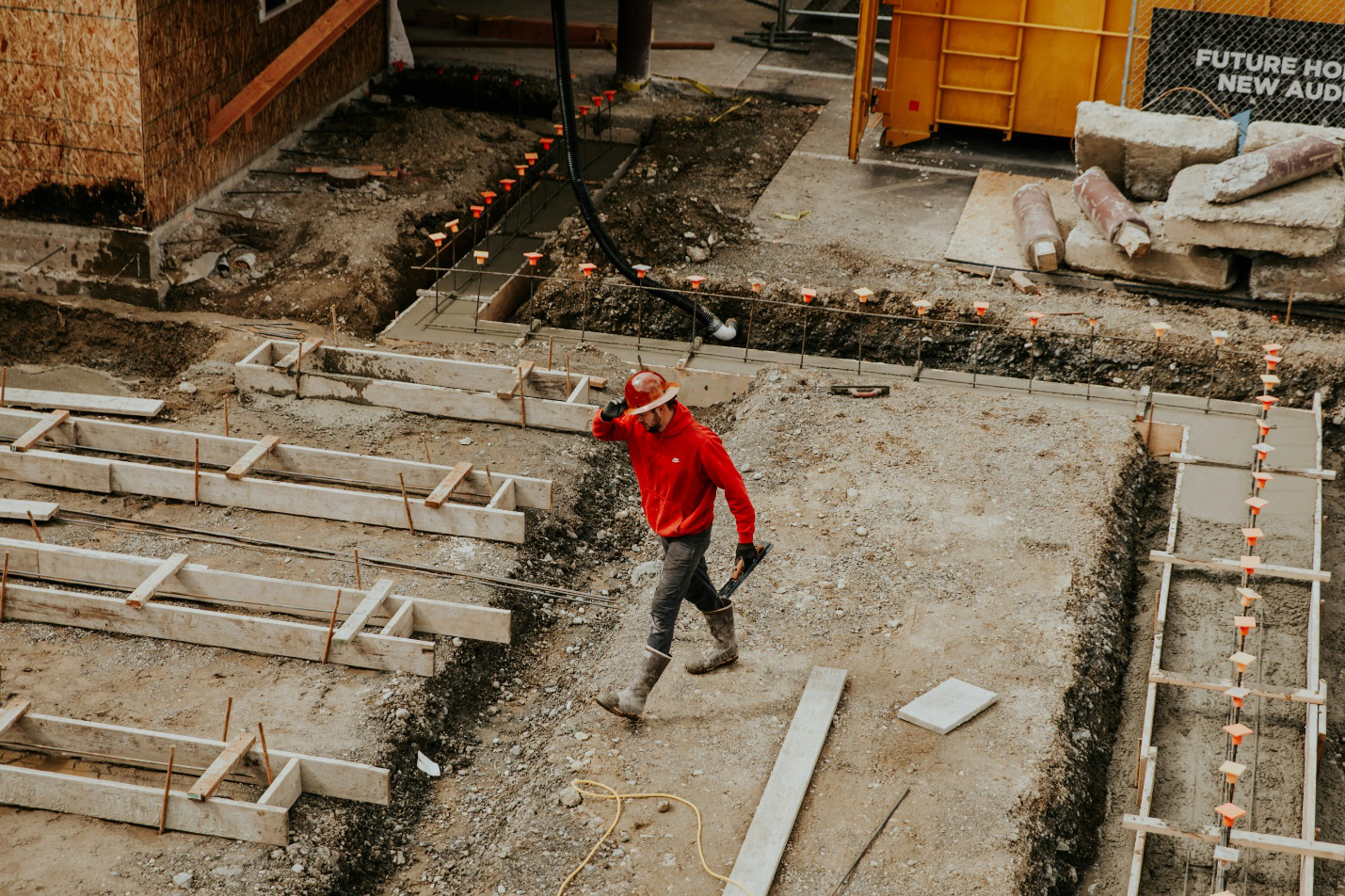
Project controls failures also directly affect damages.
For example:
- Weak labor tracking obscures productivity loss
- Missing cost codes weaken extended overhead claims
- Poor equipment logs undermine standby costs
- Incomplete change tracking affects disruption damages
Without integrated cost and schedule controls, financial claims become difficult to substantiate.
This is where strong controls directly support both entitlement and damages.
Best Practices for Stronger Project Controls
To strengthen project controls in delay analysis, projects should maintain:
- Fully logic-linked baseline schedules
- Regular status update cycles
- Integrated reporting dashboards
- Formal change control procedures
- Labor and equipment tracking
- Risk escalation workflows
- Schedule-cost reconciliation reviews
These systems create the factual framework necessary for defensible delay findings.
Why Strong Controls Protect Claims
Ultimately, delay methodology cannot replace weak controls.
A technically advanced report built on incomplete data remains incomplete.
Strong controls protect:
- Schedule accuracy
- Claim entitlement
- Liability allocation
- Damages recovery
- Dispute credibility
This is why project controls in delay analysis must be treated as a core dispute-prevention tool, not simply an administrative function.
How Strong Controls Improve Real-Time Decision-Making
Strong project controls do more than support future claims. They improve decision-making while the project is still active. When reporting systems are updated consistently, project teams can identify emerging risks before they become critical path delays.
This allows leadership to respond through resequencing, resource adjustments, or formal change management rather than reacting after the schedule has already slipped. In practical terms, better controls lead to earlier interventions, reduced dispute exposure, and stronger commercial outcomes.
Why Control Failures Often Escalate Into Claims
Many disputes that reach formal claims review begin as project control failures rather than isolated delay events. Missed schedule updates, undocumented scope changes, and disconnected field reporting often create uncertainty around causation and responsibility.
Once that uncertainty exists, each party may interpret the delay differently, increasing the likelihood of entitlement disputes and damages claims. This is why project controls in delay analysis should be viewed as a proactive risk management framework that helps prevent claims before they escalate.
Need Help Strengthening Your Controls Framework?

At HPM Consultants, we help clients strengthen project controls in delay analysis through detailed construction delay analysis, forensic schedule analysis, and expert project controls consulting. We work closely with owners, contractors, and legal teams to identify control failures, validate schedule data, and build defensible claims.
Contact us today so we can help review your controls framework, strengthen reporting systems, and support your dispute strategy with clear, evidence-based findings.