


Many project delays are not caused by one major failure, but by small coordination breakdowns that grow over time. Subcontractors working out of sequence, delayed approvals, unclear responsibilities, and poor communication between teams can quickly disrupt progress. These issues often appear minor at first, but they create significant downstream effects on schedule performance. When disputes arise, coordination failures also make responsibility harder to assess because multiple parties may be involved in the same delay event.
Subcontractor Misalignment Creates Immediate Schedule Pressure
Construction schedules depend on multiple trades working in the right sequence and at the right time. When subcontractors are misaligned, even a small disruption can affect the entire workflow.
Common examples include:
- One trade starting before another has completed access work
- Late procurement delaying follow-on activities
- Labor shortages affecting milestone commitments
- Rework caused by incomplete predecessor tasks
These issues create pressure across the schedule and often trigger larger disruptions later. During construction delay analysis, subcontractor misalignment is one of the first areas reviewed because it directly affects critical path movement and productivity.
Communication Gaps Turn Small Issues into Major Delays
Many delayed events become worse because they are not communicated early enough. Site teams may recognize a problem, but if that information does not reach project controls, management, or ownership quickly, mitigation opportunities are lost.
Typical communication gaps include:
- Verbal instructions without written confirmation
- Delayed reporting of access restrictions
- Missing updates on procurement problems
- Inconsistent progress reporting across teams
This is where project controls consulting becomes valuable. Strong controls improve visibility, ensure timely reporting, and help teams respond before small disruptions become formal delay claims.
Interface Risks Complicate Responsibility
Interface risks occur where multiple parties depend on each other to maintain progress. These risks are common in large projects where sequencing, approvals, and shared work areas create overlapping responsibilities.
Examples include:
- Mechanical work depending on unfinished structural access
- Finishes delayed by incomplete inspections
- Equipment installation waiting on utility connections
- Shared work zones creating trade congestion
These situations make responsibility difficult to assign because no single party controls the full outcome. A San Diego construction scheduling expert witness often reviews whether the original schedule properly accounted for these dependencies and whether interface risks were managed realistically.
Why Coordination Failures Weaken Claims
Coordination failures make delay claims harder to defend because they create conflicting narratives. Each party may argue that another trade caused the disruption, while records may be incomplete or inconsistent.
This is where forensic schedule analysis becomes critical. It helps reconstruct the timeline, identify which activities were truly critical, and determine how coordination breakdowns affected project completion.
A San Diego construction delay expert witness also reviews whether delays were caused by isolated events or by ongoing coordination failures that should have been addressed earlier.
Without clear records, these disputes become difficult to resolve.
Need Stronger Support for Delay Analysis?
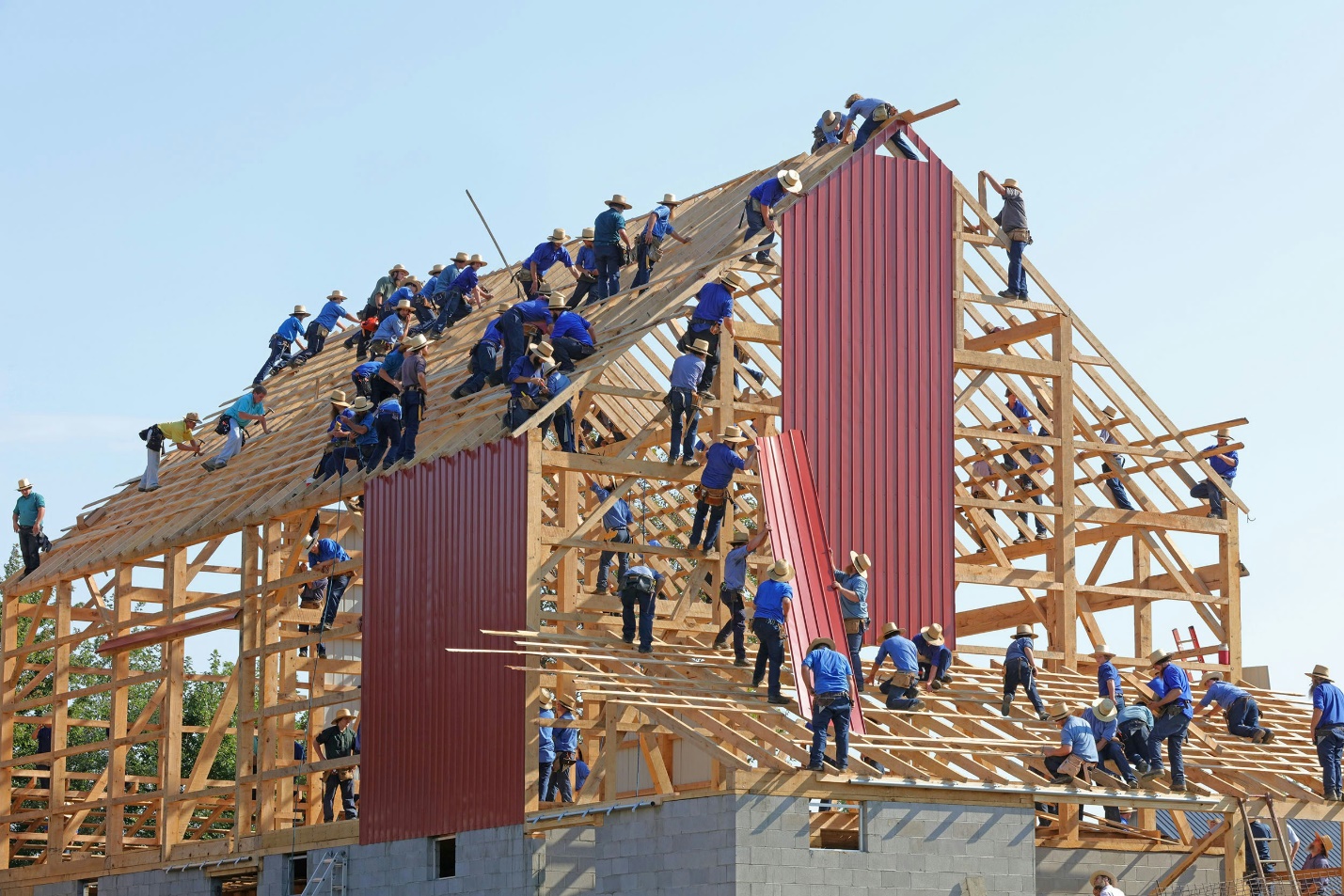
At HPM Consultants, we understand how coordination failures turn small disruptions into major project delays. We help owners, contractors, and legal teams identify delay causes, review scheduling conflicts, and strengthen responsibility assessments through expert analysis and practical guidance. Clear coordination creates stronger projects and stronger claims.
Contact us today to discuss your project and protect your position.