


In the construction industry, design errors are one of the most significant causes of delays and disruptions. While designs might look perfect on paper, even the smallest mistakes can snowball into major problems that affect the project’s timeline. From construction disruption to project rework, design errors can cause long-term scheduling issues that can impact the entire construction process. Let’s explore how these errors lead to delays and how they’re handled in delay analysis.
Understanding the Impact of Design Errors
Design errors can range from minor mistakes to major oversights that completely change the course of a project. These errors can affect everything from the structural integrity of a building to how tasks are sequenced in the construction process. Here’s how design issues can cause long-term delays:
Design Flaws Create Rework
If a design has errors, parts of the construction process need to be redone. Whether it’s the foundation, structural elements, or finishing touches, project rework is often necessary when a design is flawed. This leads to wasted time and resources. Workers might have to halt progress, correct the issues, and then proceed with the updated design, all of which extend the project’s timeline.
Disruption to the Construction Process
Construction disruption occurs when tasks cannot proceed as planned due to a design error. For example, if the dimensions in the design don’t align with the actual building materials, construction may be halted until a revised plan is approved. These disruptions can affect the flow of work, causing delays in task sequencing, impacting other teams, and making it difficult to stay on schedule.
Increased Costs
Design errors often lead to unexpected costs, as correcting these mistakes can require additional resources. Construction teams may need to employ more workers, hire additional experts, or bring in special equipment to fix the issues. These costs can quickly add up, impacting the budget and causing further delays as adjustments are made.
How Do Design Errors Lead to Long-Term Construction Delays?
When a design error is discovered mid-project, it doesn’t just cause a short-term delay. It can create long-term issues that affect the entire construction timeline. Here’s how:
Unforeseen Adjustments
Once a design error is detected, changes must be made to address the issue. This often leads to unforeseen adjustments in the project schedule. Rework may be necessary, and some tasks might need to be completed in a different order to accommodate the corrections. For example, a change in the foundation design could delay the work on the rest of the structure, resulting in a ripple effect that impacts multiple teams and project milestones.
Misalignment Between Design and Construction

Sourcing and Material Delays
If the design errors affect material requirements, there could be delays in sourcing the correct materials. For example, a mistake in the plans might require a different type of steel, concrete, or other building materials, which could take time to order, deliver, and adjust to the construction process.
How Are Design Errors Documented in Delay Analysis?
Delay analysis is crucial for understanding the impact of design errors on a construction schedule. Proper documentation of these errors helps assess their effects on the project timeline and supports claims when disputes arise.
Identifying the Cause of Delay
Design errors must be clearly documented to identify how they have caused delays. The delay analysis process involves reviewing the project timeline, identifying the design errors, and evaluating how these errors affected the work sequence. All changes to the project schedule, such as delays in project rework or disruption to construction tasks, should be documented in detail to support claims for extended timelines.
Tracking Impact on Critical Path
The critical path of a project is the sequence of tasks that directly impacts the project’s finish date. When a design error affects the critical path, it can cause significant delays. Tracking these impacts and documenting them accurately in the delay analysis ensures that the project’s completion timeline reflects the reality of the situation. This data can be used to determine whether the delay was due to factors outside of the contractor’s control.
Evaluating the Consequences of the Error
When design errors result in construction disruption, the delay analysis should outline the financial and time-based impacts. For example, the analysis will account for additional time spent on project rework and any associated costs. Detailed documentation of these delays will help the project team and stakeholders understand the full scope of the issue and can serve as evidence in case of a legal dispute.
Design Errors in San Diego, CA: A Local Challenge
Design errors in San Diego, CA, can present unique challenges due to local regulations and building codes. In a city known for its dense urban environment and high demand for infrastructure projects, any design flaw that requires rework can severely disrupt the project’s flow.
For example, if the design doesn’t comply with San Diego’s building codes, delays may occur while the revised designs are submitted for approval. This can lead to an extended waiting period for new permits and inspections. Such delays might seem minor, but they can have long-lasting effects on the project timeline, especially if multiple parties are involved and each must review and approve changes.
Overcoming Design Errors and Their Impact
Thorough Review Process
One of the best ways to avoid design errors is through a thorough review process before the project begins. By engaging with architects, engineers, and contractors early on to double-check plans and designs, potential errors can be caught before they disrupt the project.
Collaborative Problem-Solving
If a design error is discovered during construction, it’s essential to address it collaboratively. A team of experts, including architects, engineers, and construction managers—should work together to find a quick and effective solution. The faster the issue is addressed, the less impact it will have on the project timeline.
Detailed Documentation
As discussed earlier, documenting all design errors and their impact on the project is critical. This documentation provides the necessary foundation for any delay analysis and helps support your position if disputes arise. Regular updates and clear communication between all parties involved will ensure the project stays on track.
Ready to Manage Design Errors Effectively?
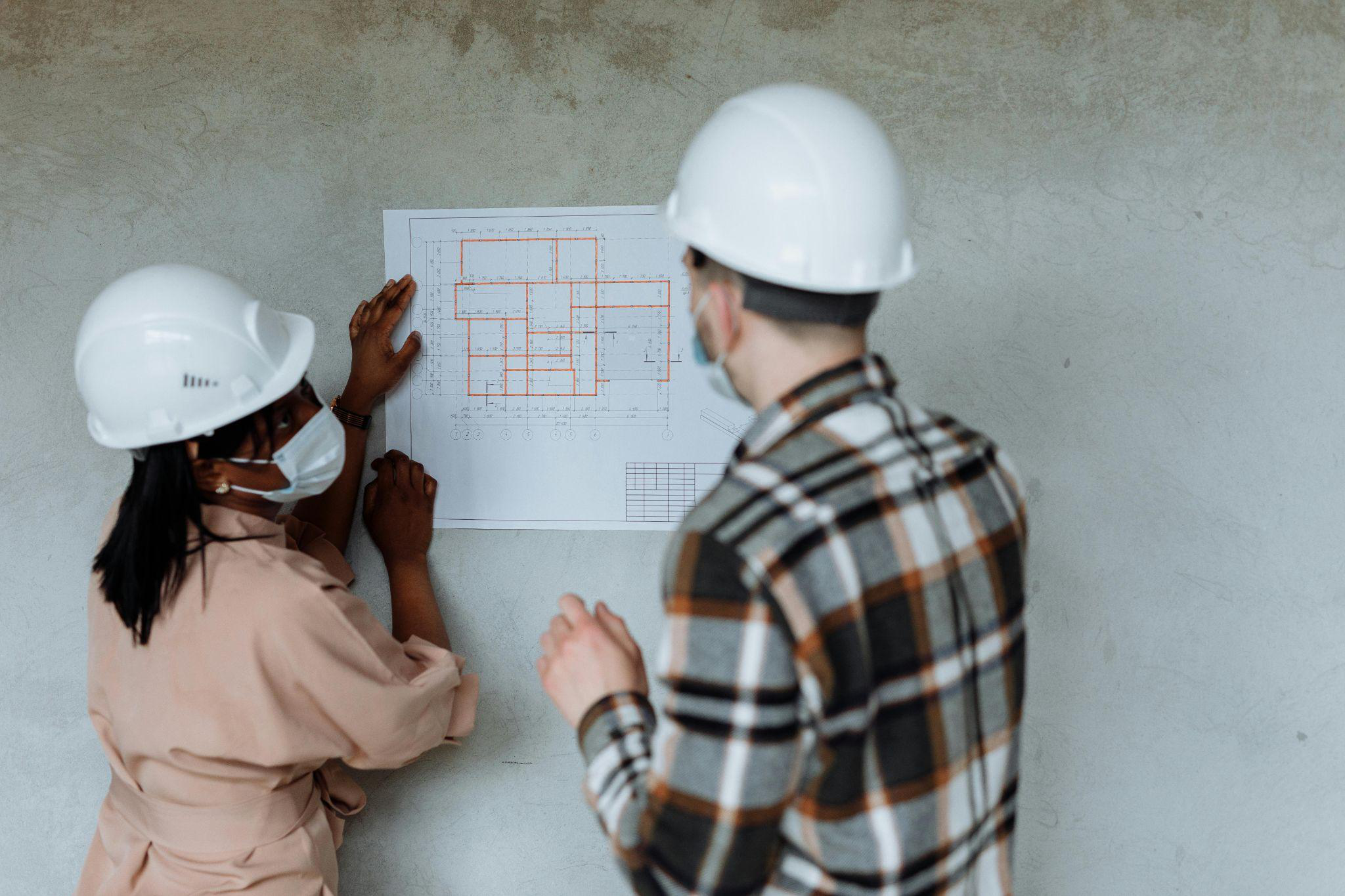
At HPM Consultants, we specialize in delay analysis and helping clients navigate the complexities of construction disruption caused by design errors. With our experience and thorough approach, we can help you stay ahead of potential issues and ensure your projects remain on schedule.
Contact us to get expert guidance on managing design errors and maintaining your project’s timeline.