
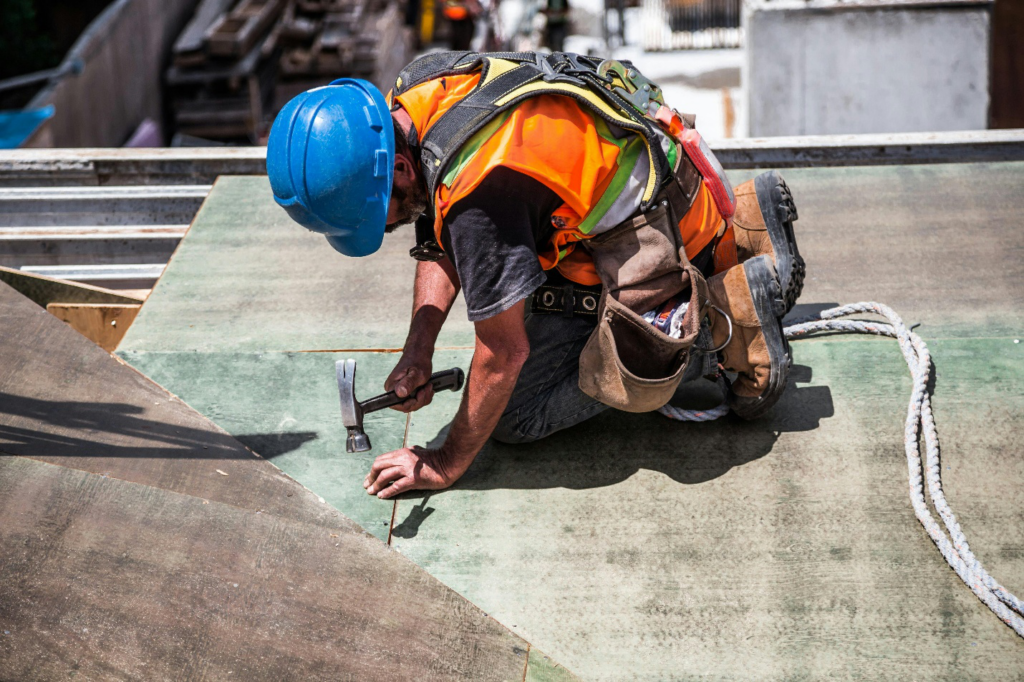

Delays are one of the biggest challenges facing commercial construction projects. Even well-planned projects can experience setbacks that affect timelines, budgets, productivity, and stakeholder expectations. While some delays are unavoidable, many can be anticipated and managed through proper planning, communication, and project controls. Understanding the root causes of delays allows project teams to identify risks early and take corrective action before small issues become major disruptions.
1. Poor Project Planning and Scheduling
Many delays begin long before construction starts. Inadequate planning often leads to unrealistic timelines, incomplete sequencing, and overlooked dependencies between activities.
Effective construction scheduling creates a roadmap for the project and helps teams coordinate resources, labor, equipment, and materials. When schedules are poorly developed or not updated regularly, project teams may struggle to identify emerging risks and respond effectively.
A schedule should not simply establish deadlines. It should also provide visibility into critical activities and potential bottlenecks that could affect completion.
2. Material Procurement and Supply Chain Issues
Material availability continues to be a significant source of delays across the construction industry. Long lead times, transportation disruptions, manufacturing delays, and inventory shortages can all impact project progress.
When critical materials arrive late, crews may be forced to stop work, resequence activities, or wait for essential components before continuing. These disruptions often affect productivity and can create additional costs throughout the project.
Project teams should identify long-lead items early and maintain regular communication with suppliers to reduce procurement-related risks.
3. Labor Shortages and Workforce Challenges
The availability of skilled labor directly affects project performance. Labor shortages can lead to slower production rates, missed milestones, and increased pressure on available crews.
In some cases, contractors may struggle to recruit qualified workers or maintain adequate staffing levels throughout the project. Workforce turnover, absenteeism, and productivity challenges can also contribute to schedule slippage.
Strong workforce planning and resource forecasting help reduce the impact of labor-related delays and improve project consistency.
4. Design Changes and Scope Modifications
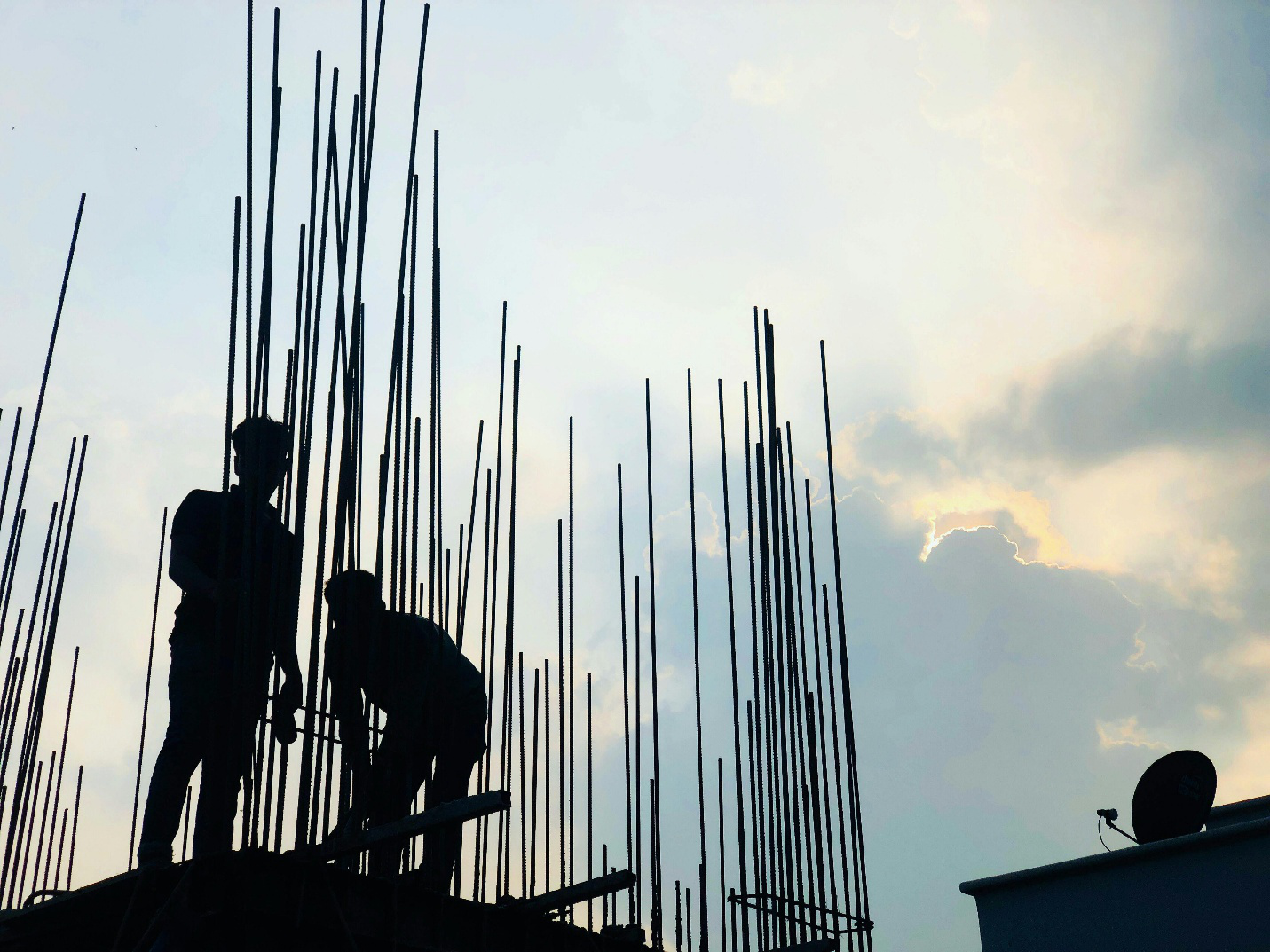
Changes during construction frequently create delays. Owners may request modifications, designers may revise plans, or unforeseen site conditions may require adjustments to the original scope.
Every change has the potential to affect procurement, approvals, sequencing, and resource allocation. Even minor revisions can create ripple effects that impact multiple activities.
Careful change management procedures help teams evaluate schedule impacts before changes are implemented and reduce the likelihood of unnecessary disruption.
5. Weather and Environmental Conditions
Weather remains one of the most common causes of construction delay. Rain, high winds, extreme temperatures, storms, and other environmental conditions can affect productivity and site accessibility.
While the weather is often beyond anyone’s control, project teams can prepare by incorporating seasonal considerations into project schedules and contingency planning.
Many disputes arise when determining whether weather conditions were severe enough to justify time extensions. This is where proper documentation becomes critical.
6. Communication and Coordination Problems
Construction projects involve owners, contractors, subcontractors, consultants, suppliers, and regulatory agencies. When communication breaks down, delays often follow.
Poor coordination can result in missed information, duplicated work, scheduling conflicts, and delayed decision-making. Teams that fail to communicate effectively may struggle to identify problems before they affect progress.
Regular meetings, clear reporting procedures, and transparent communication channels help improve coordination and reduce project risk.
7. Permitting and Approval Delays
Many construction activities depend on approvals from owners, consultants, inspectors, or government agencies. Delays in receiving permits, inspections, submittal approvals, or design reviews can affect critical project activities.
When approvals take longer than expected, contractors may be unable to proceed with planned work. These delays can impact sequencing and create additional challenges throughout the project schedule.
Strong document tracking systems help teams monitor approval status and identify potential issues before they become significant schedule problems.
8. Contractor Performance Issues
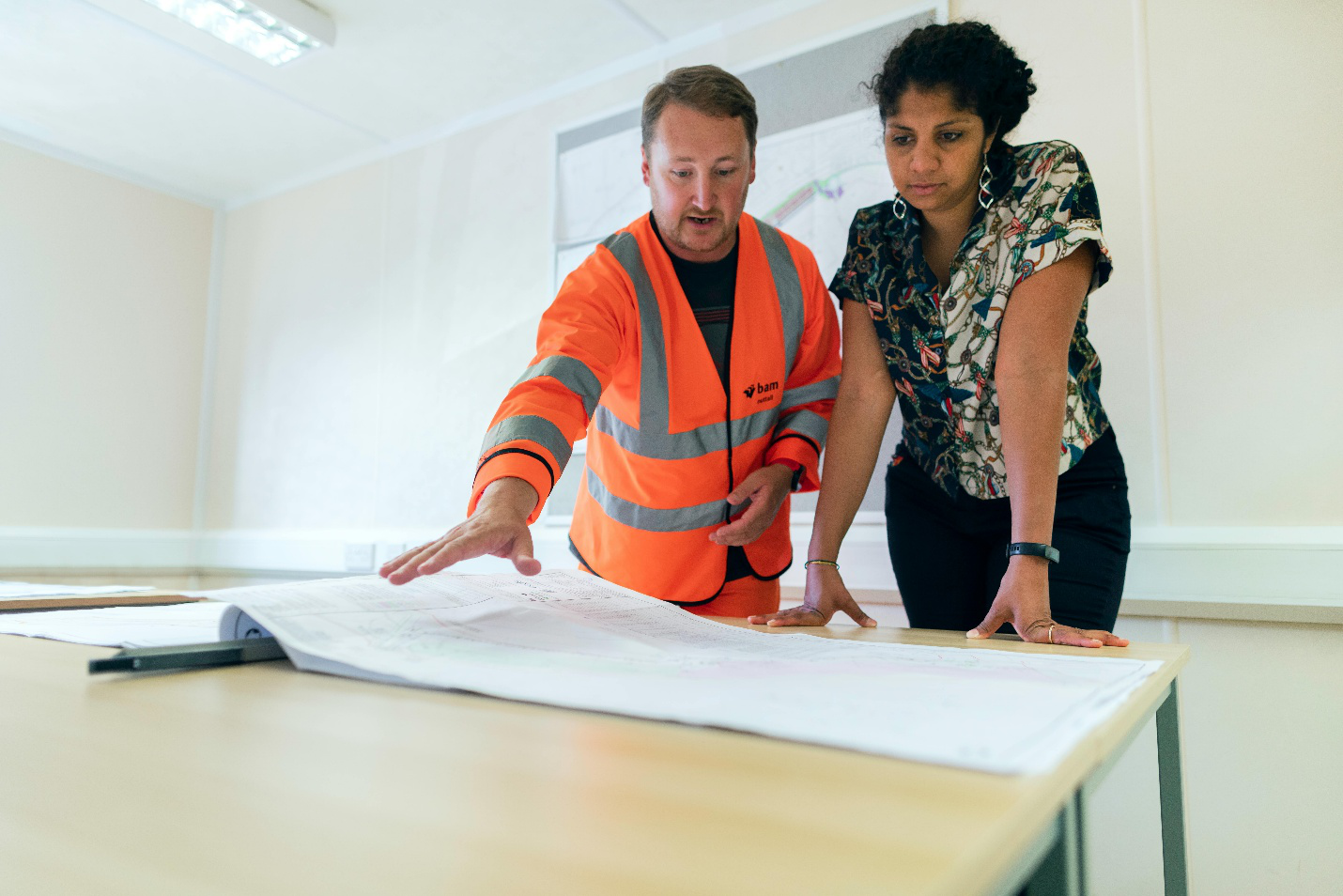
Contractor-related problems can significantly affect project timelines. Poor supervision, inadequate planning, insufficient manpower, equipment failures, or ineffective subcontractor management can all contribute to delays.
When performance problems occur on critical activities, the overall project schedule may be affected. Early identification of these issues allows project teams to implement corrective actions before delays become more severe.
This is often where a construction delay expert witness may become involved to evaluate schedule impacts and determine responsibility for delays.
Understanding the Impact of Delays
Many project stakeholders ask, ” How do construction delays impact project timelines? The answer depends on the nature of the delay, the affected activities, and whether the delay impacts the critical path. Some delays may affect only a small portion of the project, while others can extend completion by weeks or months.
This is why detailed schedule evaluation and construction delay analysis in San Diego are often necessary when disputes arise regarding responsibility and entitlement.
Another common question is, what are the most common causes of construction delays? While every project is unique, planning deficiencies, labor shortages, material issues, design changes, weather events, communication breakdowns, approval delays, and contractor performance concerns consistently appear across many projects.
Project teams also frequently ask, how can project delays be prevented in commercial construction? Prevention begins with proactive planning, realistic scheduling, effective communication, early risk identification, and disciplined project controls throughout construction.
Reducing Delay Risks Through Expert Analysis
As projects become more complex, delay evaluation often requires specialized expertise. Services such as delay analysis consulting help project teams identify schedule vulnerabilities, assess impacts, and develop strategies to minimize risk.
When disputes arise, a construction claims expert witness in San Diego can help evaluate records, determine causation, and provide objective analysis regarding delay responsibility. Similarly, a delay damages expert in San Diego may assess the financial consequences associated with project delays and disruptions.
Keep Commercial Construction Projects Moving Forward With HPM Consultants
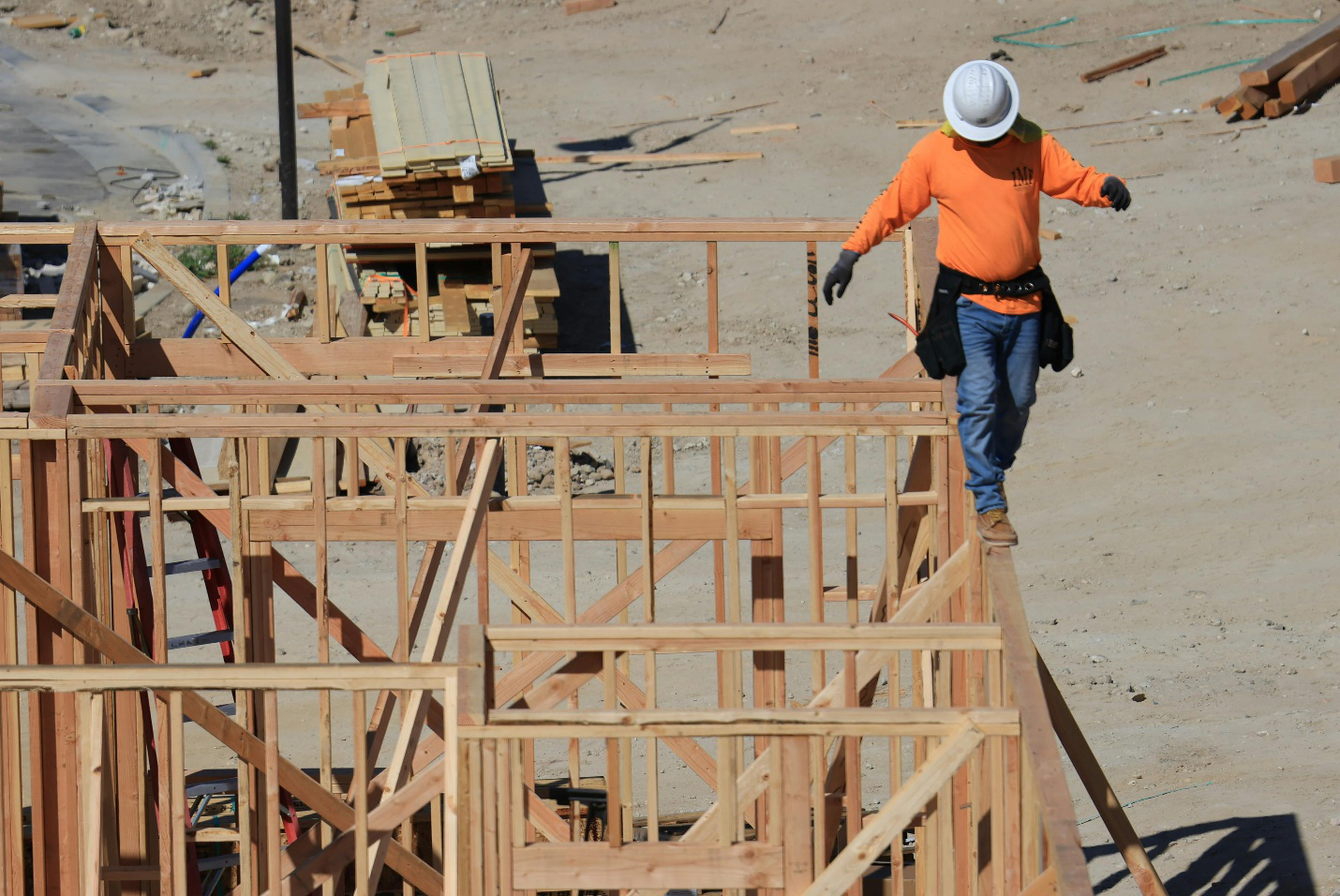
Successfully managing delays requires discipline, planning, and expert analysis. At HPM Consultants, we help owners, contractors, and legal teams evaluate schedule impacts, identify delay causes, assess damages, and strengthen project decision-making through practical construction expertise.
Contact us to evaluate delay risks, strengthen project controls, and keep your commercial construction projects moving forward with confidence.