
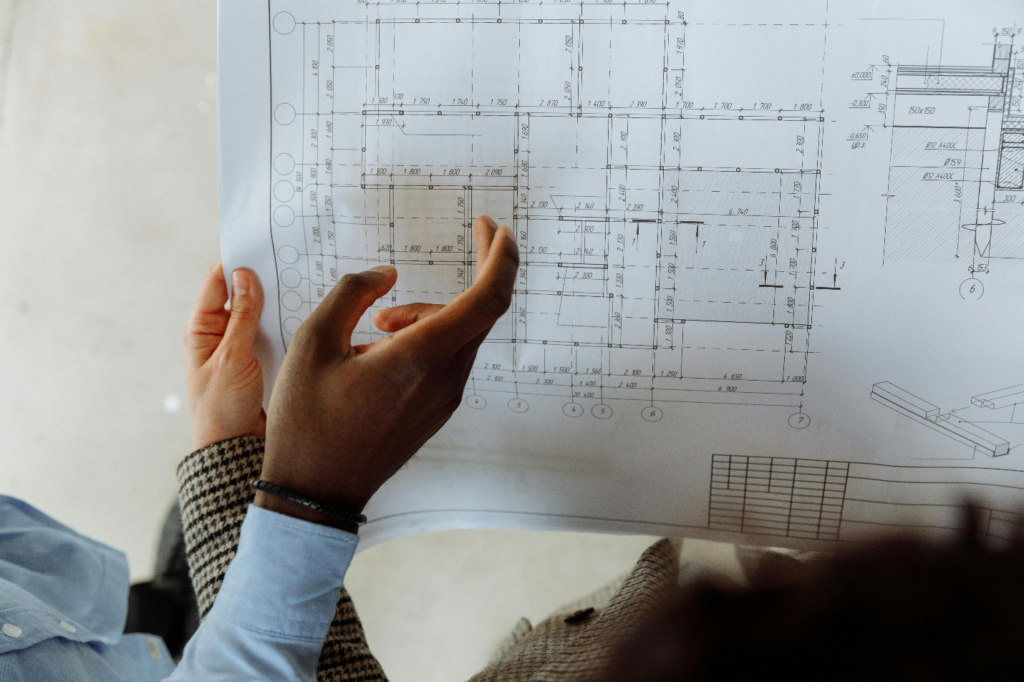

Construction projects rarely proceed exactly as planned. Changes in scope, procurement challenges, weather events, labor shortages, and coordination issues can all affect project schedules. When delays occur, stakeholders often need more than assumptions to understand what happened. They need a structured method for evaluating the facts.
This is where forensic delay analysis becomes valuable. By applying proven scheduling techniques and reviewing project records, experts can identify delay causes, evaluate impacts, and support informed dispute resolution. These methods help project teams, attorneys, owners, and contractors understand how delays developed and what effect they had on project completion.
What Is Forensic Delay Analysis?
Forensic delay analysis is the process of investigating project delays after they occur. Unlike project scheduling, which focuses on planning future work, forensic analysis looks backward to determine how delays affected the project timeline.
The primary goals are to:
- Identify delay events
- Evaluate schedule impacts
- Determine responsibility
- Support claim evaluations
- Assist with dispute resolution
The process relies on project documentation, schedule updates, correspondence, reports, and other records that help reconstruct project history.
Why Forensic Analysis Matters
Construction disputes often involve competing explanations for project delays. One party may believe design changes caused the delay, while another may argue that contractor performance was responsible.
Without a structured review process, it becomes difficult to separate fact from opinion.
A construction delay expert uses forensic techniques to analyze project data objectively and determine how specific events affected project completion. This helps create a clearer understanding of responsibility and entitlement.
Building the Foundation for Analysis

Every forensic review begins with project records. Before any conclusions can be reached, experts must understand how the project was planned and how it actually progressed.
Common records include:
- Baseline schedules
- Schedule updates
- Daily reports
- Change orders
- Progress photographs
- Meeting minutes
- Email correspondence
- Procurement records
- Inspection reports
The quality of these records often determines the strength of the final analysis.
Comparing Planned and Actual Performance
One of the most common forensic techniques involves comparing the original schedule with actual project performance.
This process evaluates:
- Planned completion dates
- Actual completion dates
- Activity durations
- Sequencing changes
- Milestone performance
By identifying differences between planned and actual progress, analysts can determine where delays occurred and begin investigating their causes.
This approach provides a useful starting point for understanding overall project performance.
Evaluating Delay Events
Another important aspect of forensic analysis is evaluating specific delay events and their impact on the project schedule.
Examples may include:
- Design revisions
- Late approvals
- Procurement delays
- Labor shortages
- Access restrictions
- Weather impacts
The objective is to determine whether the event affected critical project activities and whether it influenced the overall completion date.
Many professionals performing forensic schedule analysis focus heavily on the timing and sequence of these events to understand how delays developed.
Understanding Windows Analysis

Windows analysis is a widely used forensic scheduling method that divides a project into smaller time periods for review.
Instead of examining the entire project at once, analysts evaluate schedule performance during individual windows of time. This allows them to observe how project conditions changed throughout construction.
The method helps identify:
- Critical pathchanges
- Progress trends
- Delay development
- Schedule recovery efforts
Because construction projects evolve over time, window analysis often provides a more detailed understanding of project performance.
The Importance of Critical Path Evaluation
Most forensic investigations eventually focus on the critical path. The critical path consists of activities that directly control project completion.
If a delay affects a critical path activity, it may affect the overall completion date. If it affects a non-critical activity, the impact may be limited.
A construction scheduling expert carefully reviews activity relationships, logic links, sequencing, and float values to determine whether delays influenced the critical path.
This evaluation is often one of the most important parts of forensic analysis because it helps distinguish significant delays from minor schedule disruptions.
Technology Used in Delay Analysis
Modern construction projects generate large amounts of schedule data. Specialized software helps analysts organize and evaluate this information efficiently.
Common tools include:
- Primavera P6
- Microsoft Project
- Schedule comparison software
- Critical path analysis tools
- Project control databases
Technology supports the analysis process, but expert interpretation remains essential.
Resolving Complex Delay Situations
Large projects often involve overlapping issues, multiple stakeholders, and changing project conditions. Delays may occur simultaneously, making responsibility difficult to determine.
Examples include:
- Concurrent delays
- Scope changes
- Productivity impacts
- Resource constraints
- Acceleration efforts
This structured approach helps create a more objective understanding of project performance.
The Role of Expert Witnesses
Forensic analysis often plays a major role in claims, arbitration, and litigation.
A construction delay expert witness in San Diego may use forensic methods to evaluate delay responsibility, assess schedule impacts, and provide independent opinions regarding project performance.
Similarly, a construction scheduling expert witness in San Diego may review schedule development, critical path movement, and project controls to explain complex scheduling issues during formal proceedings.
Their analysis helps decision-makers understand technical project information through clear, evidence-based conclusions.
Frequently Asked Questions
How are forensic scheduling techniques applied in construction?
Forensic scheduling techniques are used to investigate delays, evaluate schedule impacts, determine responsibility, and support dispute resolution through detailed schedule review.
What tools help analyze delays effectively?
Scheduling software, critical path analysis tools, project databases, and schedule comparison platforms help experts evaluate project performance and delay impacts.
How can complex delays be resolved using forensic methods?
Forensic methods separate delay events, analyze schedule impacts, evaluate project records, and establish clear links between cause and effect.
Why is critical path analysis important?
Critical path analysis identifies the activities that control project completion and helps determine whether a delay affected the overall schedule.
When should forensic delay analysis be performed?
The process is most effective when delays are identified early, and project records remain complete, organized, and readily available.
Strengthen Delay Evaluations With HPM Consultants
Understanding construction delays requires more than reviewing dates and schedules. It requires structured investigation, reliable documentation, and proven analytical methods. HPM Consultants helps clients evaluate delay events, assess schedule impacts, determine responsibility, and support dispute resolution through expert forensic scheduling services.
Contact us to perform detailed delay investigations, strengthen claim evaluations, and apply forensic analysis techniques that bring clarity to complex construction disputes.