
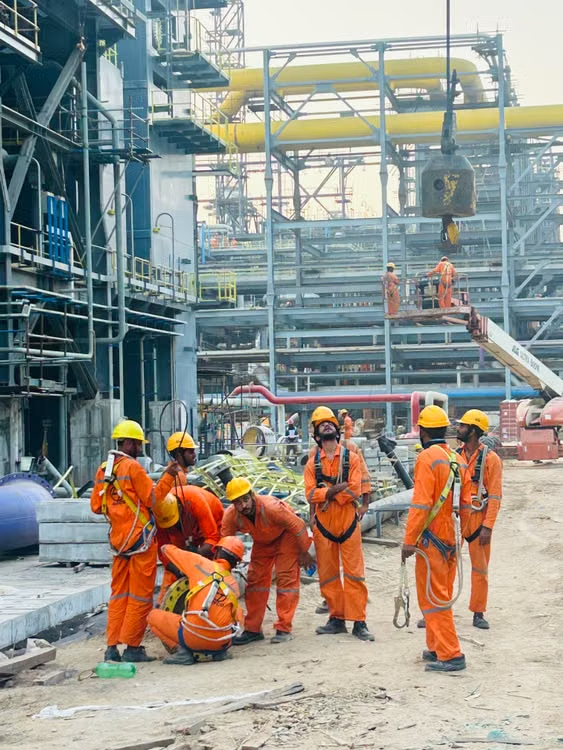

Construction projects rarely follow a perfect timeline. Unexpected weather, design changes, labor shortages, material delays, and coordination issues can all affect progress. When these setbacks lead to financial losses, determining who is responsible and how much compensation is owed becomes a complex process. This is where proper evaluation of delay damages plays a critical role.
Understanding how damages are measured requires more than reviewing a project schedule. It involves detailed records, financial analysis, and technical expertise to determine the true impact of delays on a project. Effective construction delay prevention starts with identifying risks early, but when delays cannot be avoided, professional construction delay consulting helps project owners, contractors, and legal teams accurately assess the resulting costs.
Understanding Construction Delay Damages
Construction delay damages refer to the financial losses caused when a project takes longer than originally planned. These damages may affect owners, contractors, subcontractors, and other project stakeholders.
The evaluation process focuses on determining whether the delay was excusable, compensable, concurrent, or the responsibility of a specific party. Each type of delay has different legal and financial implications, making careful analysis essential before damages can be calculated.
A thorough evaluation also considers contract requirements, project schedules, daily reports, correspondence, change orders, and financial records to establish a complete picture of what occurred.
Types of Delay Damages Evaluated
Modern construction claims often involve multiple categories of damages rather than a single financial loss. Each category requires different supporting evidence and analytical methods.
Disruption Costs
Not every project delay completely stops construction. In many cases, work continues under inefficient conditions that reduce productivity and increase expenses.
Disruption costs may result from:
- Frequent resequencing of work
- Multiple design revisions
- Congested work areas
- Trade stacking
- Out-of-sequence construction
These disruptions often increase labor hours, equipment usage, and material handling costs without extending the overall project duration proportionally.
Extended Field Overhead
When projects remain active longer than planned, contractors continue paying field-related expenses.
Examples include:
- Site supervision
- Temporary utilities
- Equipment rentals
- Site offices
- Security
- Safety personnel
- Field administration
These ongoing costs accumulate throughout the extended project duration and are commonly included in construction delay claims.
Home Office Overhead
Project delays can also affect a contractor’s corporate operations.
Home office overhead includes indirect business expenses such as:
- Executive salaries
- Accounting departments
- Administrative staff
- Office rent
- Insurance
- Information technology
Depending on the circumstances, recognized methodologies may be used to allocate these indirect costs to delayed projects. A qualified delay damages expert witness evaluates whether these costs are recoverable under the contract and applicable legal standards.
Evaluating Productivity Loss
Lost productivity is often one of the largest and most disputed components of modern construction claims.
Workers may remain on site, but changing work conditions reduce efficiency. Crews may spend more time waiting, relocating equipment, coordinating with other trades, or performing work out of sequence.
Measuring productivity loss requires comparing expected performance with actual project performance while accounting for project-specific conditions.
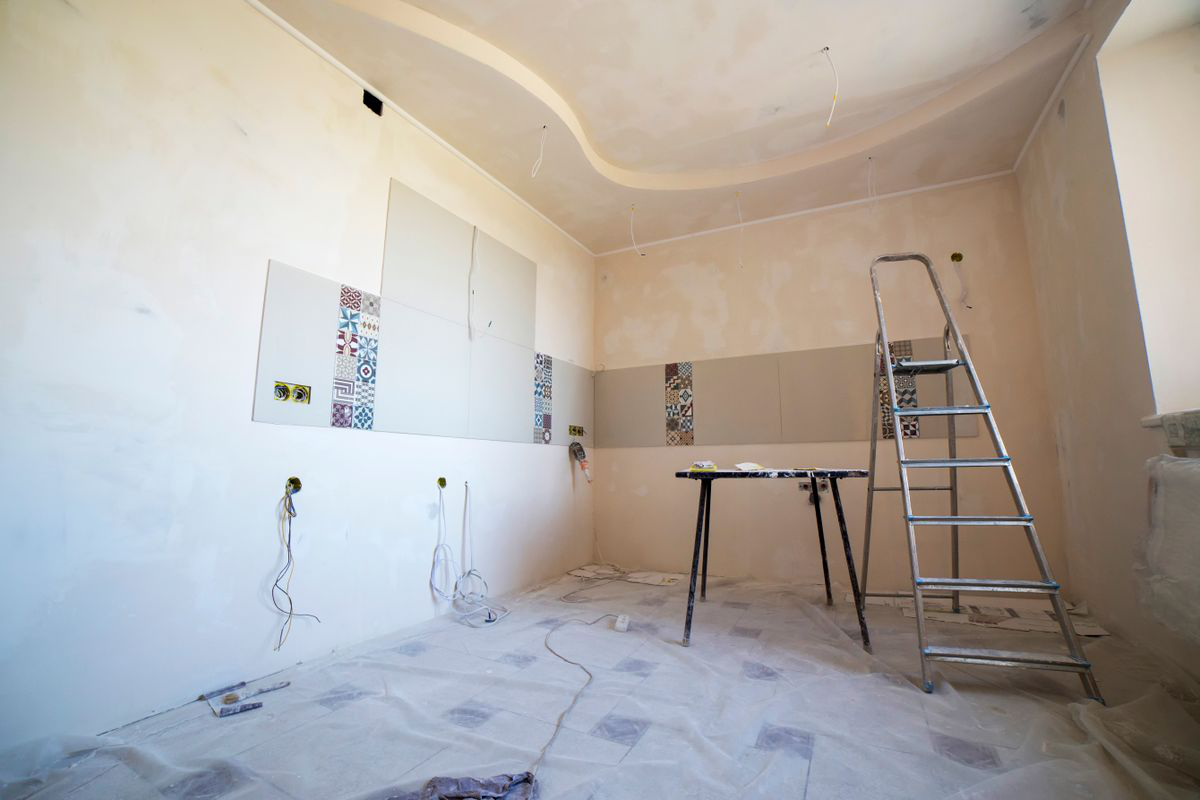
Experienced professionals performing construction delay consulting carefully separate productivity losses caused by delays from those resulting from poor planning or unrelated project issues.
Delay Quantification Methods
Accurate delay quantification forms the foundation of every successful claim.
Rather than relying on assumptions, experts evaluate how events affected the project’s critical path and overall completion date.
Several accepted methodologies may be used depending on available documentation and project complexity.
Common approaches include:
Critical Path Method Analysis
Critical Path Method (CPM) schedules help identify activities that directly control project completion.
Analysts compare planned schedules with actual progress to determine how delays affected critical activities.
Time Impact Analysis
Time Impact Analysis inserts individual delay events into the approved baseline schedule to evaluate how each event influenced project completion.
This prospective method is widely accepted for evaluating delays when reliable schedule updates exist.
Windows Analysis
Windows Analysis divides the project into multiple time periods.
Each period is analyzed separately to identify changing critical paths and evaluate how different events influenced project progress over time.
As-Planned Versus As-Built Analysis
This method compares the original project schedule with actual completed work.
Although useful for certain projects, it generally requires careful interpretation because it may oversimplify complex scheduling relationships.
A qualified scheduling delay and analysis expert witness selects the methodology most appropriate for the available project records and claim circumstances.
The Importance of Supporting Documentation
Strong documentation is the backbone of every successful delay claim.
Even when delays are obvious, unsupported opinions rarely withstand detailed review.
Important project records include:
- Approved baseline schedules
- Schedule updates
- Daily reports
- Weather records
- Meeting minutes
- Inspection reports
- Change orders
- Requests for Information (RFIs)
- Correspondence
- Payroll records
- Equipment logs
- Cost reports
- Progress photographs
- Contract documents
The more complete the documentation, the more reliable the delay analysis becomes.
Proper documentation also strengthens construction delay prevention efforts by helping project teams identify recurring risks and improve future project management practices.
Expert Methodologies Improve Claim Accuracy
Modern construction claims require more than experience alone.
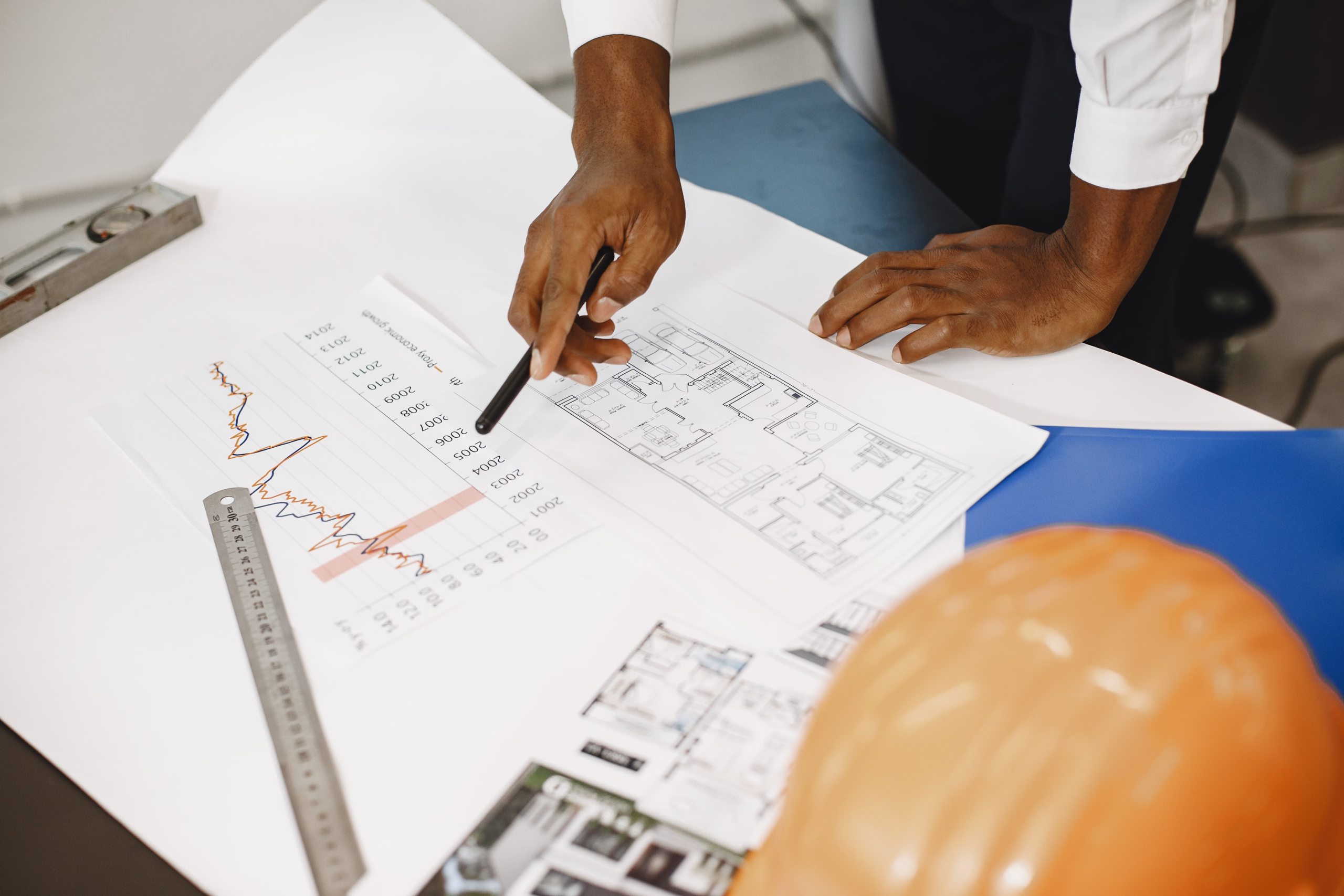
Experts apply structured methodologies that combine scheduling analysis, financial evaluation, engineering principles, and industry standards.
These methodologies help determine:
- Whether delays actually occurred
- Which activities were affected
- Who was responsible
- Whether delays were excusable or compensable
- The financial impact of each delay
- Appropriate damage calculations
Independent evaluations also improve credibility during negotiations, mediation, arbitration, and litigation.
Rather than relying on assumptions, experts present objective conclusions supported by schedules, records, calculations, and recognized analytical techniques.
This balanced approach helps decision-makers understand complicated project events with greater confidence.
Why Early Evaluation Matters
Waiting until a project ends often makes delay evaluation more difficult.
Documents become harder to locate, project personnel move on, and memories fade.
Early analysis allows project teams to preserve evidence, verify schedule impacts, and address issues before they become larger disputes.
It also improves opportunities for settlement by providing all parties with a clearer understanding of the project’s actual delays and associated costs.
Whether the claim involves owners, contractors, subcontractors, or insurers, timely evaluation supports more informed decisions throughout the dispute resolution process.
Why Independent Expert Analysis Matters
Construction delay claims often involve multiple parties, competing schedules, and differing interpretations of project events. Independent experts bring objectivity to the evaluation process by applying recognized methodologies and reviewing the available evidence without bias. Their analysis helps clarify the causes of delays, allocate responsibility fairly, and provide credible findings that can support negotiations, mediation, arbitration, or litigation.
Avoiding Costly Disputes through Early Action
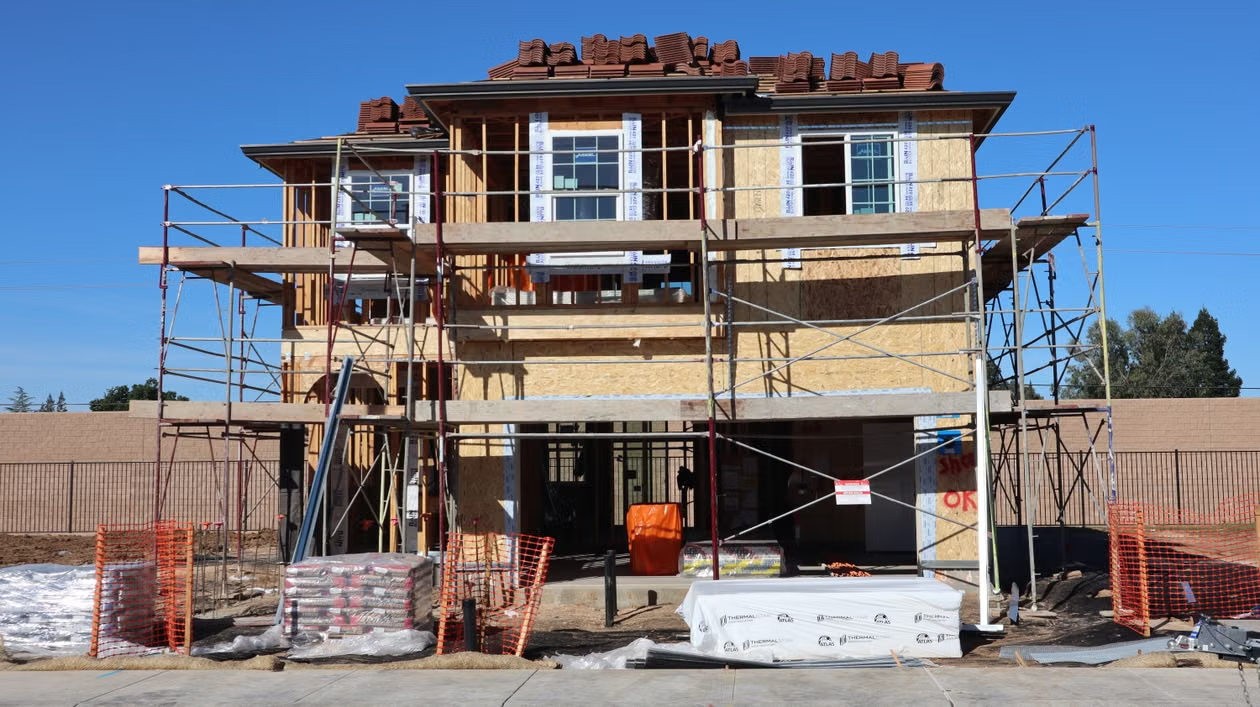
Many disputes become more expensive because delay issues are not addressed until the project is nearly complete. Regular schedule reviews, accurate recordkeeping, and proactive communication allow project teams to identify risks before they escalate. Investing in construction delay prevention and timely evaluations can reduce uncertainty, strengthen project controls, and improve the likelihood of resolving issues before they develop into formal claims.
Build Stronger Claims with Trusted Expertise
Accurate delay damage evaluations require technical knowledge, detailed documentation, and proven analytical methods. From assessing disruption costs and productivity losses to calculating extended overhead and performing reliable schedule analysis, every step must be supported by objective evidence. At HPM Consultants, we provide construction delay consulting, experienced scheduling delay and analysis expert witness services, and trusted delay damages expert witness support to help clients strengthen claims while promoting construction delay prevention and addressing complex construction project delays in San Diego. Get in touch with us today.