
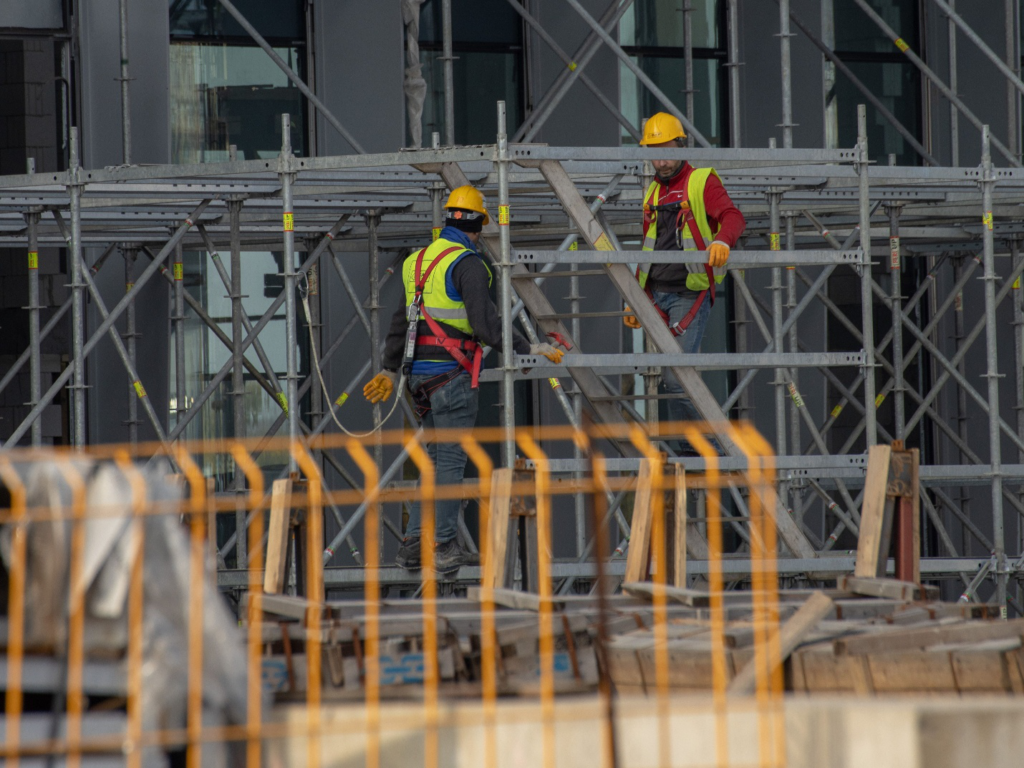

Two experts can review the same delayed project and walk away with opposite conclusions about who is responsible. This is not a sign that one of them is dishonest. It is usually a sign that they applied different methodologies to the same set of facts. At HPM Consultants, we have seen firsthand how the method chosen for construction delay analysis can shape the outcome as much as the underlying facts themselves, which is why methodology deserves as much scrutiny as the schedule data behind it.
Why Method Selection Is Not Automatic
There is no single correct way to analyze a construction delay. Several accepted methods exist, each suited to different circumstances, contract requirements, and available records. Choosing between them is a professional judgment call, not a mechanical process, and two qualified construction delay experts can reasonably choose different methods for the same project without either one acting in bad faith. The disagreement that follows is often genuine, not manufactured, and it rarely resolves itself simply by asking one side to reconsider.
The choice usually comes down to what the contract requires, what the available records can support, and what question the dispute actually needs answered. A method that works well for a straightforward, single-cause delay may be entirely inappropriate for a project with dozens of overlapping issues spread across multiple phases. Selecting the wrong tool for the situation can undermine an otherwise well-supported claim before the analysis even begins.
Prospective vs Retrospective Analysis
One of the most consequential choices is whether to analyze a delay prospectively, based on what was known at the time it occurred, or retrospectively, based on what actually happened afterward. A prospective analysis might show that a change order caused a thirty day delay, because that was the projected impact when the schedule was updated. A retrospective analysis of the same event might show only ten days of actual impact, because the contractor resequenced work around it. Neither expert is wrong. They are answering different questions, and the contract or jurisdiction often determines which question actually matters most in a given dispute.
This distinction matters more than it might seem. A contractor arguing for a time extension often benefits from a prospective view, since it reflects what a reasonable project team would have expected at the time. An owner disputing the same claim often prefers a retrospective view, since it accounts for how the contractor actually responded. Both positions can be argued in good faith, which is exactly why the choice of timing perspective deserves early attention rather than being decided by default.
How the Critical Path Shapes the Conclusion
Every delay method depends on correctly identifying the critical path, the sequence of activities that directly controls the completion date. construction scheduling experts often disagree about which path was truly critical at a given point in the project, especially on schedules that were not consistently updated. A small disagreement over criticality early in the analysis can produce a completely different delay conclusion by the end of it, even when both experts are working from the same underlying project files.
Data Quality Determines What Is Even Possible
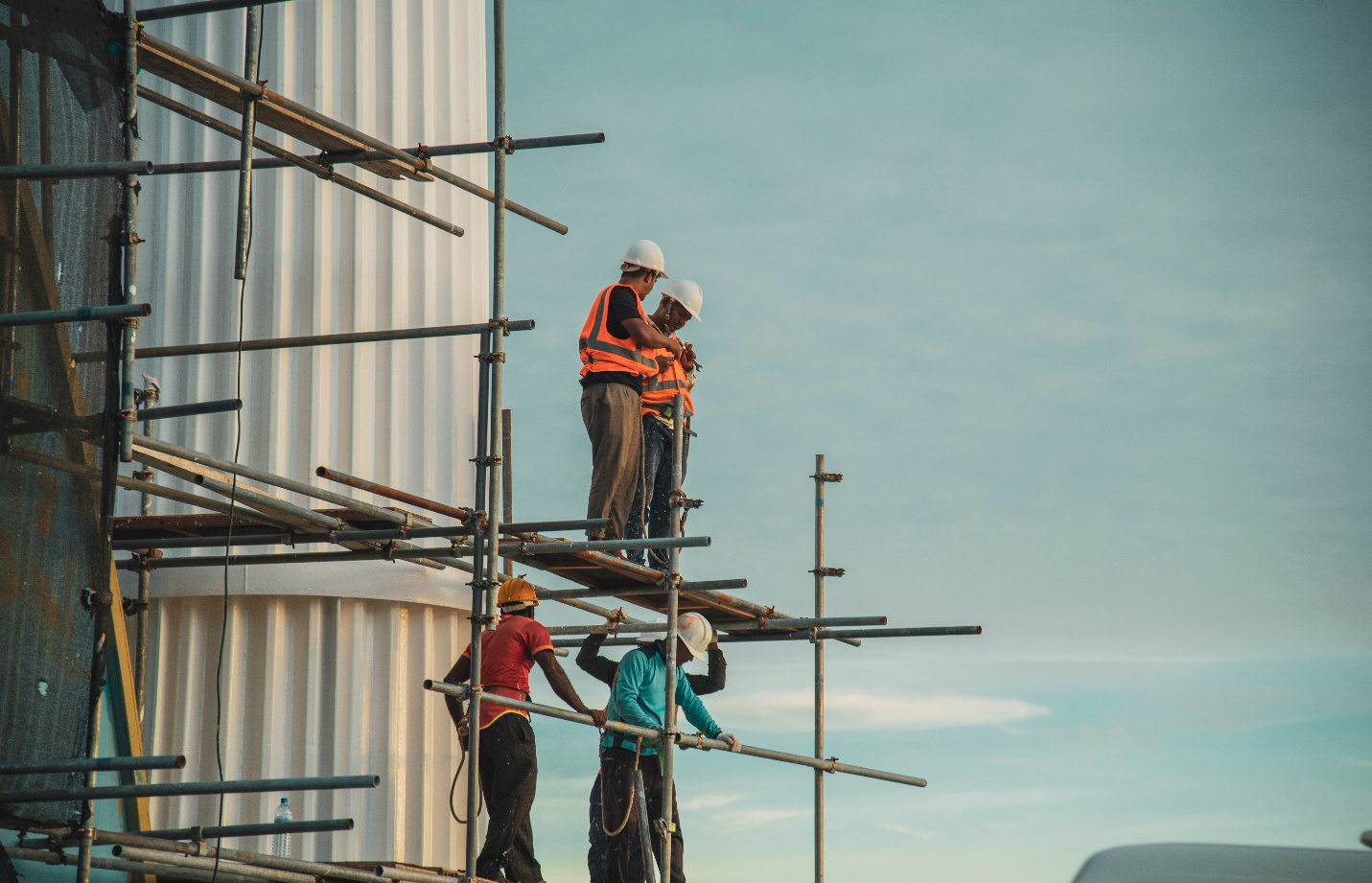
No methodology can overcome missing or unreliable data. When schedule updates are incomplete, a scheduling delay and analysis expert witness has to reconstruct gaps using secondary records, and those reconstructions inevitably involve more assumptions than an analysis built on a complete, contemporaneous record. The party with stronger documentation usually has more flexibility in which method it can credibly apply, while the party with weaker records is often limited to whatever method the available data can actually support.
This is why disciplined recordkeeping during the project pays dividends long after the work is finished. A contemporaneous daily report, a properly saved schedule update, or a dated photograph can be the difference between an analysis grounded in fact and one built substantially on informed estimation. Neither approach is dishonest, but tribunals consistently give more weight to conclusions supported by the former.
Interpretation Is Where Experts Truly Diverge
Beyond method and data, delay disputes often turn on interpretive questions that reasonable experts answer differently. Concurrent delay, float ownership, and pacing are all areas where the underlying facts might be agreed upon while the conclusion is not. A construction delay expert witness has to be prepared to explain not just what conclusion they reached, but why a different, equally reasonable interpretation was set aside in favor of the one presented in the report.
Concurrency is often the most contested of these questions. When an owner-caused delay and a contractor-caused delay overlap in the same window of time, whether the contractor still recovers time, money, or both depends heavily on how the analyst defines and applies concurrency. Different jurisdictions and different contracts treat this question differently, which means the same overlapping delay can produce very different entitlement outcomes depending on which framework the expert applies.
Why the Burden of Proof Still Matters
Even with a sound methodology, the party bringing a claim still carries the burden of proof. An analysis expert witness needs to build a case that does not just seem plausible, but actually satisfies that standard when tested. This is one more reason methodology choice cannot be separated from strategy, since the method needs to produce an analysis strong enough to meet the burden the claiming party actually carries into a hearing or trial.
What This Means When a Dispute Reaches Arbitration
When a disagreement over methodology cannot be resolved through negotiation, it often ends up before an arbitration panel or a court, where each side’s expert defends their approach under direct questioning. A San Diego construction delay expert witness who can clearly explain why a particular method fits the facts of the case, and why the alternative does not, holds a significant advantage over one who simply asserts a conclusion without walking the panel through the reasoning.
Choosing the Right Expert for the Right Method
Firms offering construction delay experts in San Diego are often brought in specifically to evaluate whether an opposing expert’s method fits the facts of the dispute, not just to produce a competing number. An analysis expert witness in San Diego who understands the full range of accepted methodologies can identify exactly where an opposing report went wrong, rather than simply presenting an alternative opinion and leaving the tribunal to guess which one is more credible.
This kind of review often reveals that the disagreement is narrower than it first appears. Once the specific methodological choice driving the gap is isolated, whether it involves timing, data treatment, or an interpretive assumption, the parties frequently find they agree on more of the underlying facts than the competing reports suggested. That clarity alone can move a dispute meaningfully closer to resolution.
Get Methodology Right with HPM Consultants

At HPM Consultants, we treat methodology selection as a critical first decision, not an afterthought. Our team includes a respected San Diego construction scheduling expert witness, experienced in selecting and defending the right analytical approach for each dispute.
Contact us to schedule a free consultation and make sure the methodology behind your next delay analysis can withstand real scrutiny.