
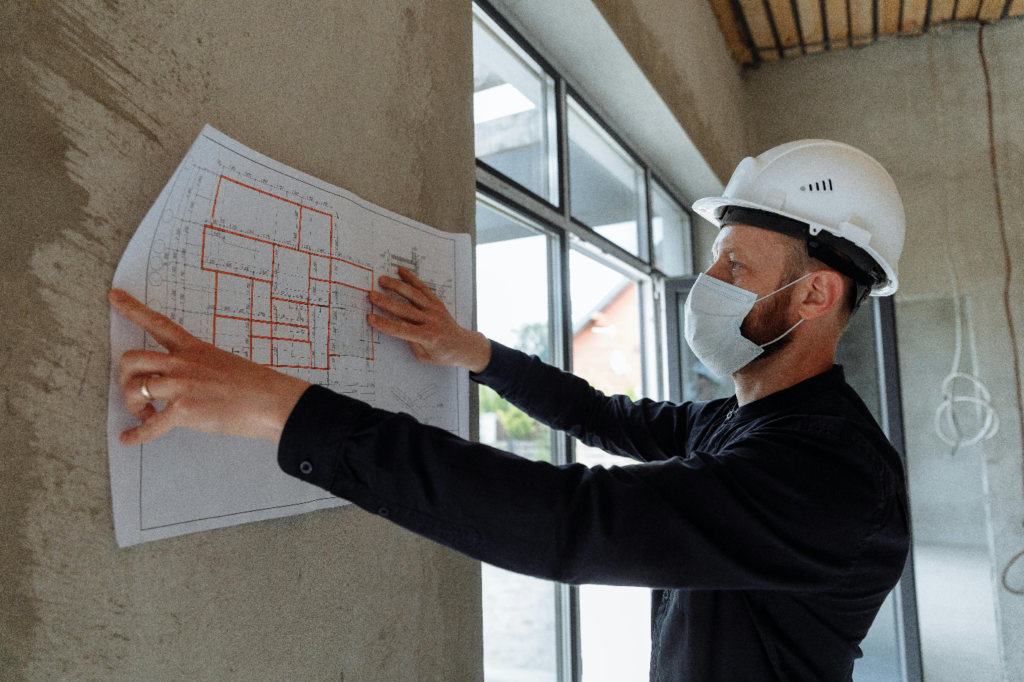

Very few construction projects finish without at least one change order along the way. Most are resolved without incident, but a meaningful share of change order disputes grow into serious disagreements over schedule impact, cost, and responsibility. A San Diego construction claims expert witness sees this pattern repeat across projects of every size, usually because the schedule consequences of a change were never clearly agreed upon at the time it was issued. What starts as a routine adjustment can quietly become the single largest point of contention on the entire project.
How a Simple Change Escalates Into a Dispute
Change orders themselves are a routine part of construction, governed by well-established procedures such as those found in the Federal Acquisition Regulation governing change clauses. Problems tend to start when the cost of a change is negotiated separately from its schedule impact, leaving the timing question unresolved. Strong construction claims depend on catching this gap early, before both sides have already committed to conflicting assumptions about how much time the change actually affected. By the time the gap surfaces, each party has often already built an entire narrative around their own version of events.
Why Timing Determines the Schedule Impact
A change issued before the affected work begins behaves very differently than the same change issued once a crew is already mobilized and sequencing has been locked in. Change order disputes frequently trace back to exactly this kind of timing mismatch, where a change that seemed minor on paper turned out to disrupt work far more than either party anticipated when it was first issued. Late-arriving changes often ripple into trades and activities that were never directly part of the original scope.
Separating Disruption From Delay
Not every change order pushes back the completion date. Some simply make the remaining work harder to perform efficiently, without ever touching the critical path. A proper construction disruption analysis keeps this distinction clear, since disruption and delay require different evidence and different calculations, even when they stem from the very same underlying change. Presenting both as a single combined claim tends to weaken each part rather than strengthen the overall position.
Proving Lost Productivity
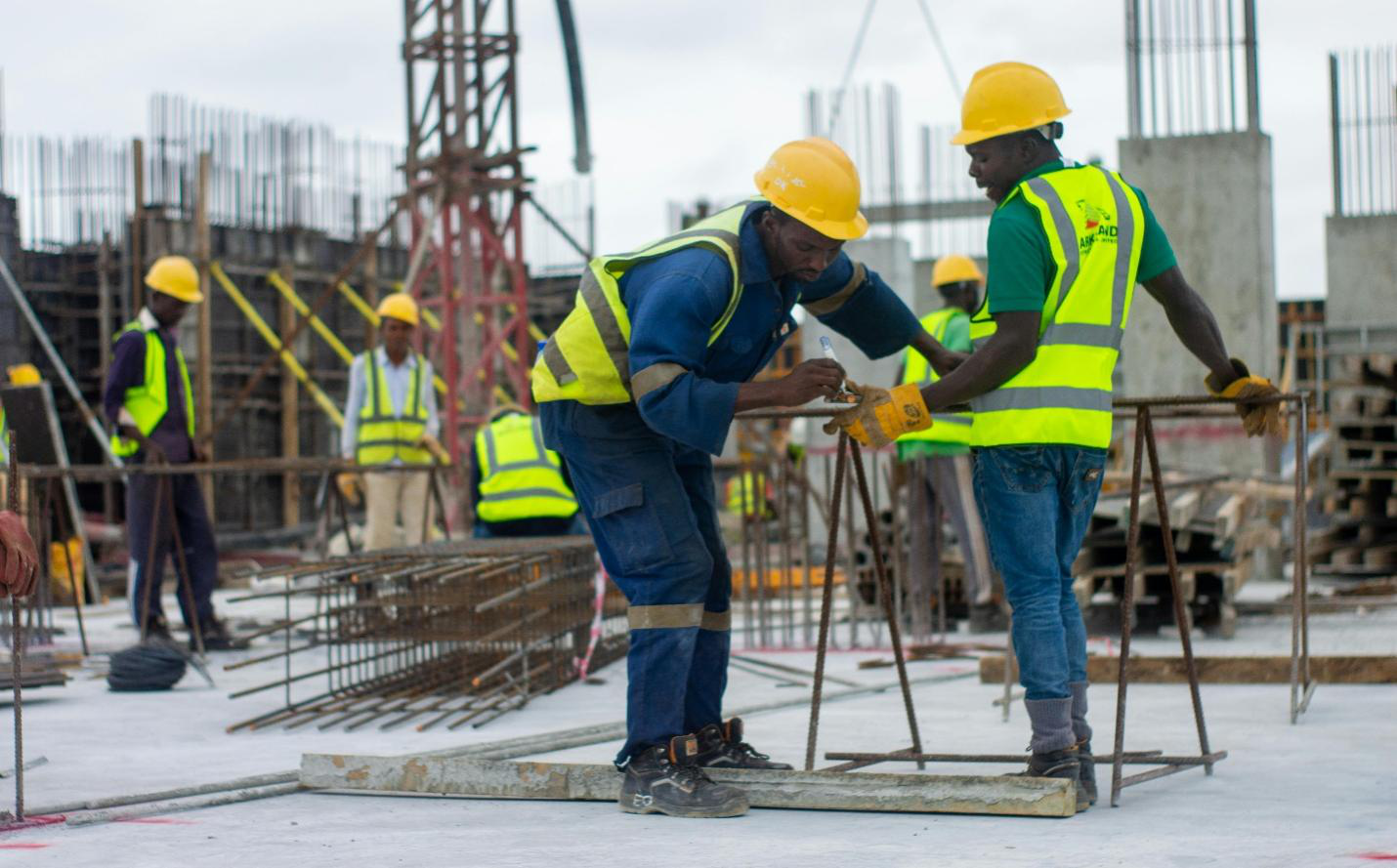
A disruption expert proves lost productivity on San Diego projects typically by comparing crew output during the disrupted period against output on unimpacted, comparable work, using labor hours and installed quantities as the baseline for comparison. Broader productivity trends tracked across the construction industry help confirm whether a specific drop is unusual enough to support a claim, rather than simply normal variation. This kind of measured comparison holds up far better under challenge than a general estimate of how much slower the work seemed to go.
When a Change Order Becomes a Formal Claim
Once informal discussion stalls, a change order dispute typically becomes a formal claim requiring detailed construction delay analysis to support it. This means tracing the change through the specific schedule update issued closest to when it occurred, using a dedicated delay analysis process rather than relying on the schedule from months before or after the disputed event. The closer the analysis stays to the actual point in time when the change occurred, the harder it becomes for the opposing side to argue the conclusion is speculative.

Resolving Contractor-Owner Disputes
Expert services that help resolve contractor-owner disputes in San Diego include independent schedule and cost review, delay and disruption analysis, and expert testimony when a matter proceeds to mediation, arbitration, or litigation. The Construction Industry Institute has long emphasized that early, objective review tends to resolve these disputes faster than either side simply digging in on their own numbers. Bringing in that review before a formal claim is filed often preserves working relationships that would otherwise be damaged by a drawn-out dispute.
Strengthening the Claim With the Right Analysis
An analysis expert witness strengthens a construction claim by connecting each disputed change order to a specific, documented schedule impact rather than a general assertion of harm. Getting change order disputes resolved fairly depends entirely on this kind of specific, traceable analysis holding up once the other side has a chance to challenge it.
Frequently Asked Questions
How can a disruption expert prove lost productivity on San Diego projects?
By comparing crew output during the disrupted period against comparable, unimpacted work, using labor hours and installed quantities rather than a general impression of slower progress.
What expert services help resolve contractor-owner disputes in San Diego?
Independent schedule and cost review, delay and disruption analysis, and expert testimony all support resolution, whether a dispute settles informally or proceeds to arbitration or litigation.
How can an analysis expert witness strengthen my construction claim?
By connecting each disputed event to a specific, documented schedule impact rather than a general assertion, giving the claim a foundation that holds up under challenge.
Do all change orders need a formal schedule impact review?
Not necessarily. Minor changes with no effect on the critical path often need little more than routine documentation, while larger or contested changes typically warrant a full review.
What is the difference between disruption and delay in a construction claim?
Delay pushes back the completion date, while disruption reduces efficiency without necessarily extending the schedule. Both can result from the same change order but require separate evidence.
Resolve Change Order Disputes with HPM Consultants
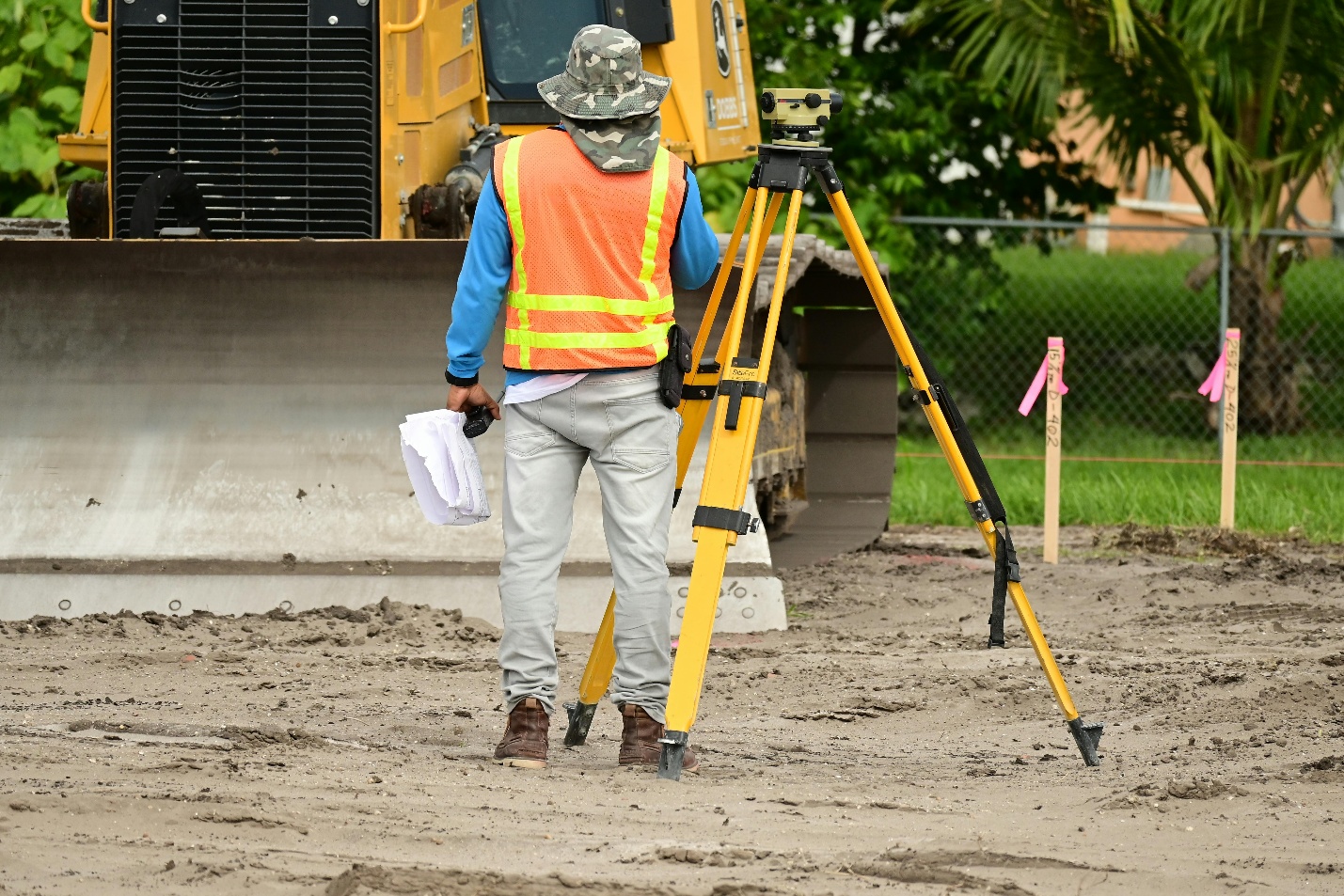
HPM Consultants helps owners and contractors work through change order disputes with clear, evidence-based analysis. Our team includes a dedicated construction disruptions expert witness in San Diego, ready to evaluate how a disputed change actually affected your schedule and your bottom line, from the first informal conversation through formal proceedings if it comes to that.
Contact us today to get clarity on your next change order dispute before it grows larger than it needs to.