
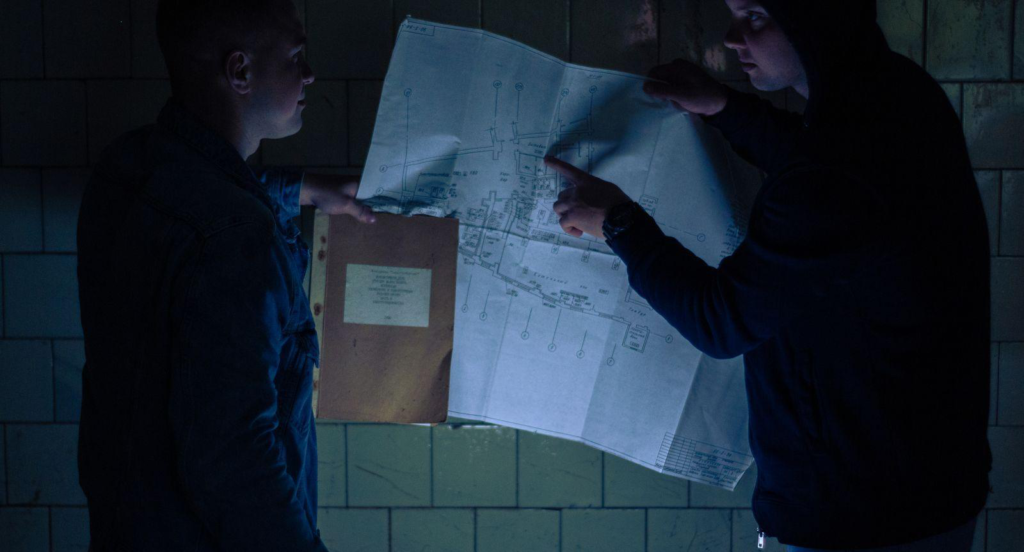

Construction projects often experience more than one problem at a time. Weather, late information, owner changes, contractor performance, procurement issues, and site conditions may overlap on the calendar, but that does not automatically make them concurrent construction delays. The key question is whether separate delay events affected project completion during the same relevant period.
A defensible construction delay claim therefore needs schedule analysis that tests criticality and timing instead of relying only on event dates. Through our delay analysis services, we review schedules, work sequence, changes, and project records to understand how multiple events interacted and which activities controlled completion.
What Makes Two Delay Events Concurrent
True concurrency is a technical and contract-sensitive issue. Two events may occur on the same dates while affecting different activities, or one may affect work with available float while the other controls completion. AACE Recommended Practice 29R-03 addresses concurrency as part of forensic schedule analysis and emphasizes the need to evaluate project circumstances and the schedule model rather than apply a simple calendar test.
Why Overlap Does Not Automatically Mean Equal Responsibility
Responsibility depends on the contract, the events, and their demonstrated effects. A construction claims expert witness in Los Angeles may need to distinguish owner, contractor, third-party, and external events while avoiding assumptions about entitlement that the schedule alone cannot decide. Schedule analysis can help establish timing and impact, but legal responsibility ultimately depends on the governing contract and applicable law.
Even when two critical delays overlap, the schedule analysis does not by itself decide how time or money should be allocated between the parties. Contract provisions, notice requirements, governing law, and the nature of the claimed damages can affect entitlement. Keeping those legal questions separate from the technical schedule findings helps the analysis remain focused on what the records can actually demonstrate. It also makes it easier for counsel, owners, contractors, or decision-makers to see where technical findings end and legal interpretation begins.
Separating Delay Events Through the Schedule
Reliable baselines and regular updates make it easier to examine changing critical paths and periods of overlap. The GSA scheduling clause illustrates how detailed CPM logic and periodic updates can support accurate monitoring and analysis of schedule impacts. When updates are missing, analysts may have to reconstruct events from other contemporaneous records, increasing the importance of careful source validation.
Reaching a Defensible Position on Concurrent Delay
At HPM Consultants, we analyze construction schedules and project records to explain how disputed events affected the timeline. A construction delay analysis in Los Angeles can help separate overlapping events, identify the controlling path during each period, and provide a clearer factual basis for discussions about responsibility and damages through our expert witness services.
Concurrency should be demonstrated through the schedule and evidence, not assumed because two problems happened at once. For disputes that may require a delay damages expert witness, contact our team to discuss the available schedules and project documentation.