
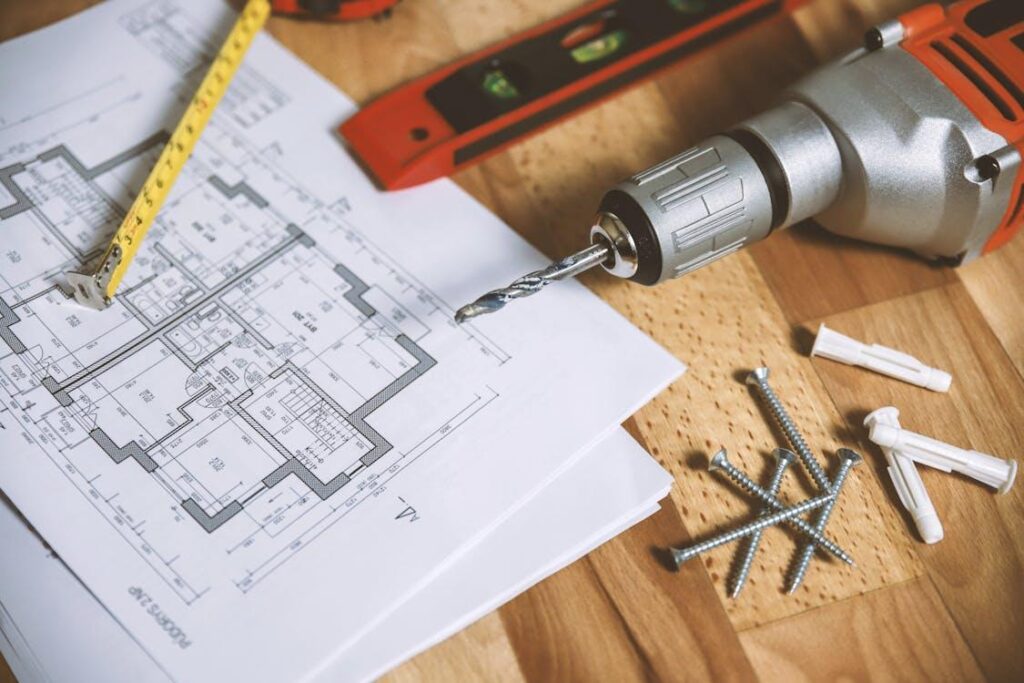

Across San Diego and Los Angeles, construction projects rarely unfold exactly as planned. Once execution begins, scope changes, sequencing shifts, and real-world constraints begin to reshape timelines. When that deviation grows, delay analysis becomes far more complex and often requires input from a San Diego delay damages expert witness or a Los Angeles construction delay expert witness to properly assess what actually happened.
Scope Drift Changes the Entire Framework
Even minor scope additions can accumulate into significant timeline shifts. These changes are not always formally tracked, which makes it difficult to connect cause and effect later. A professional acting as a delay construction damages expert often needs to reconstruct these changes to understand their full impact on project completion.
Sequencing Adjustments Disrupt the Critical Path
Field teams frequently adjust sequencing to maintain progress. While practical, these changes can alter the critical path entirely. This is where a construction scheduling expert witness becomes essential, evaluating how resequencing influenced the overall timeline and whether delays were truly critical.
Acceleration Adds Hidden Complications
When delays become visible, acceleration is often introduced. This leads to overlapping trades, resource strain, and reduced efficiency. A construction delay expert witness may be required to determine whether acceleration efforts actually mitigated delays or introduced additional disruption.
Unmanaged Impacts Create Overlap
Unmanaged changes often lead to concurrent delays, particularly on complex projects. Without clear documentation, accountability becomes blurred. A construction claims expert witness can help separate overlapping events and determine responsibility.
Why Deviation Breaks Traditional Analysis
Most delay analysis methods rely on stable assumptions, including consistent sequencing, predictable productivity rates, and balanced resource allocation across activities. Once a project deviates significantly, those assumptions no longer hold.
Shifts in labor availability, equipment distribution, or trade coordination can create uneven resource loading, where some activities are over-resourced while others are delayed. In practice, maintaining efficient resource allocation is a known challenge in construction projects due to their complexity and interdependencies.
These imbalances can alter activity durations, disrupt planned workflows, and change how delays propagate through the schedule. As a result, the analysis must move beyond static comparisons and account for shifting critical paths, overlapping work, and gaps in project records. Professionals such as a delay damages expert must adapt their approach to reflect evolving conditions, validate available data, and reconstruct timelines where necessary to produce accurate and defensible conclusions.
When Project Deviation Requires Expert Clarity
As deviation increases, understanding what truly caused delays becomes less about schedules and more about structured interpretation. At HPM Consultants, we provide expert witness services, delay analysis, and damages evaluation for complex disputes. Acting as a delay damages expert witness in San Diego, we help clients break down deviation-driven impacts into clear, defensible conclusions. If your project has moved beyond its original plan, we encourage you to contact us to discuss how we can assist.