
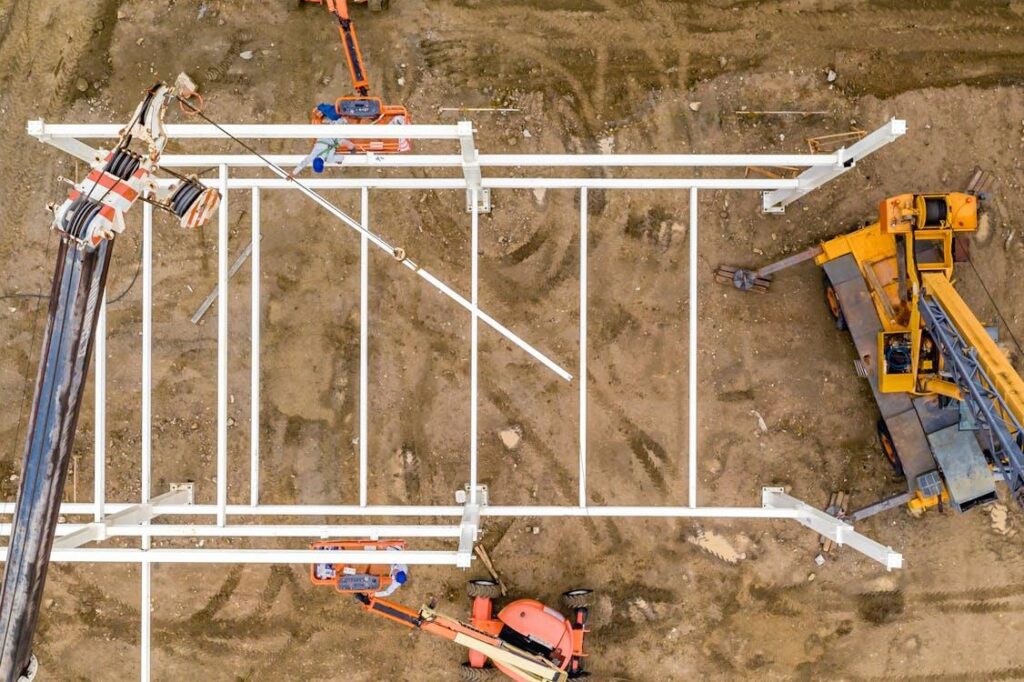

A baseline schedule is meant to define how a project was originally planned, including activity durations, sequencing, and logic ties. When that baseline is unstable or frequently revised, delay analysis becomes far less straightforward. Across projects in San Diego and throughout Los Angeles, and San Francisco, shifting baselines can make it difficult to establish a consistent starting point for evaluation.
In these situations, determining what changed and how it impacted completion often requires input from a delay damages expert witness to produce a reliable and defensible analysis.
Moving Baselines Create Confusion
Baseline schedules are sometimes revised without clear version control or proper documentation. Each revision can introduce new assumptions or sequencing changes, making it difficult to determine which version reflects the original intent. A delay damages expert witness may be needed to evaluate which baseline should be used for accurate comparison.
Weak Baselines Undermine Accuracy
Some projects begin with incomplete or unrealistic baseline schedules. Missing scope details, inaccurate durations, or poorly defined dependencies can distort the analysis from the outset. A construction damages expert witness can assess whether the baseline is reliable enough to support valid conclusions.
Comparative Methods Lose Effectiveness
Many delay analysis methods depend on comparing planned and actual progress. Without a stable baseline, these comparisons lose meaning. Changes in execution strategy, sequencing, or scope make it harder to isolate the true impact of delay events.
In practice, different delay analysis methodologies rely on varying assumptions and data inputs, which can produce different outcomes when project records are inconsistent. A delay damages expert witness operating within San Diego may be required to apply alternative analytical approaches that better reflect evolving project conditions.
Instability Increases Dispute Complexity
When multiple baseline versions exist, different parties may rely on different schedules to support their claims. This creates conflicting interpretations of responsibility and impact. A construction delay expert witness can help establish clarity and consistency in the analysis.
Adapting to Unstable Conditions
When baselines are unreliable, delay analysis becomes more investigative. This involves reviewing project records, validating assumptions, and reconstructing timelines to reflect actual execution. Experts such as a construction claims expert witness or a delay damages expert play a key role in building accurate conclusions.
Resolving Baseline Uncertainty in Complex Projects
Baseline instability often leads to uncertainty in both time and cost outcomes. At HPM Consultants, we analyze shifting project conditions to identify how delays developed and what impact they had. Based in San Diego, we support clients across California such as those in Los Angeles by providing structured, evidence-based delay assessments. If your project lacks a reliable baseline, contact us to discuss how we can assist.