
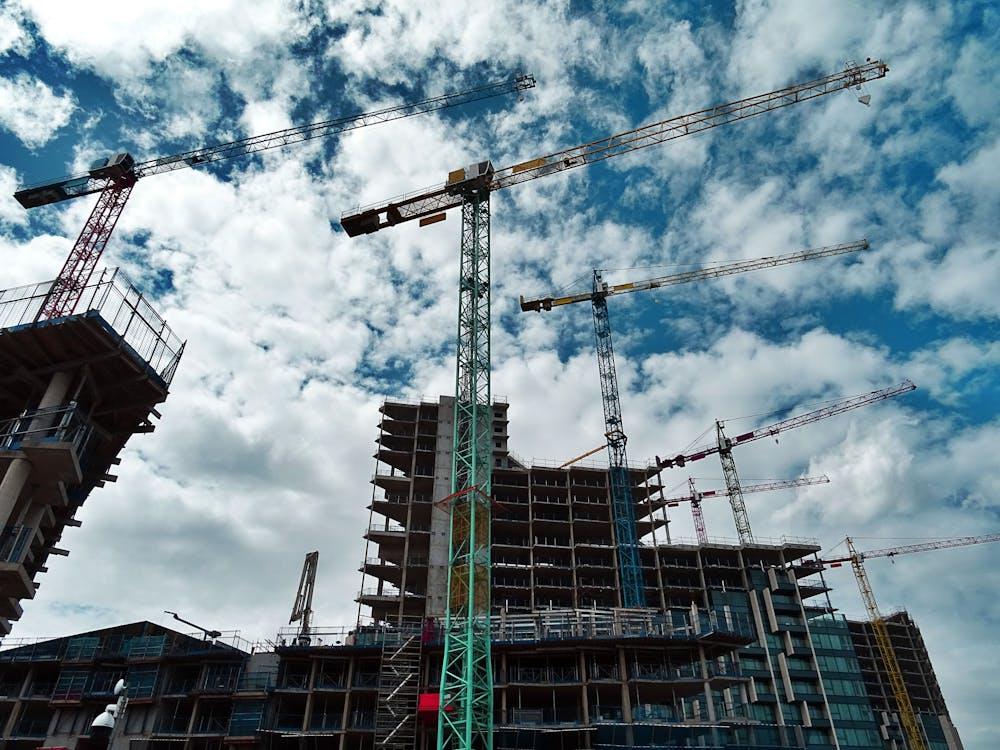

Construction delays are often thought of as unpredictable, but many are influenced by decisions made during the earliest stages of a project. Planning choices, scheduling approaches, procurement strategies, and resource allocation can either reduce or increase a project’s exposure to delays. Contractors, owners, and project managers who understand the consequences of early decisions are better positioned to minimize risk and protect their claims. Engaging a construction delay expert witness early can help ensure these decisions support a defensible, accurate assessment of potential impacts.
Early Scheduling Decisions
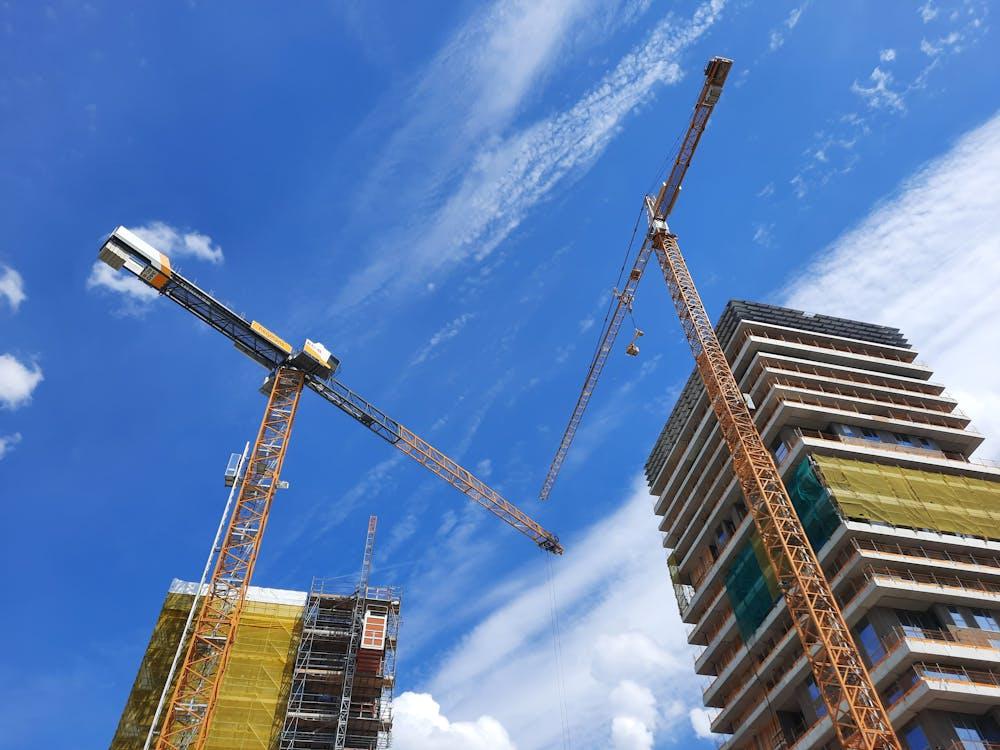
The initial project schedule sets the framework for all subsequent activities. Poor sequencing, unrealistic durations, or inadequate contingency planning can increase the likelihood of delays. Early scheduling decisions should consider site conditions, resource availability, and contractual milestones to create a realistic and achievable timeline.
By investing time in detailed schedule planning, teams can identify potential bottlenecks, critical path dependencies, and high-risk activities. A construction delay expert witness can assist in evaluating initial schedules, ensuring they are both practical and defensible in case disputes arise. Accurate early scheduling reduces exposure to disputes and strengthens claims by providing a clear record of intended project timelines.
Procurement and Resource Planning
Decisions about procurement methods, subcontractor selection, and material lead times also impact delay exposure. Early choices in sourcing and logistics influence whether materials and personnel are available when needed. Poor procurement planning can create cascading delays that affect multiple areas of the project.
Engaging experts during the planning phase can help anticipate supply chain challenges, align subcontractor schedules, and ensure resource allocation supports timely completion. Proper documentation of these decisions is also critical for defending claims if delays occur.
Contractual and Scope Decisions
Contract terms and project scope decisions made early can increase or reduce delay risk. Ambiguous responsibilities, unclear milestones, or undefined scope changes often result in disputes when delays occur. Clear, well-documented contracts that define responsibilities and reporting requirements minimize uncertainty and protect both parties.
A construction delay expert witness can review contractual language and scope definitions to identify areas of potential exposure. This proactive approach allows teams to implement safeguards before work begins, reducing the risk of disputes and improving the credibility of delay claims.
Communication and Documentation
Early decisions about communication protocols and record-keeping impact delay exposure significantly. Establishing clear reporting lines, documentation standards, and meeting schedules ensures all events and changes are tracked. This reduces miscommunication, supports accurate delay analysis, and provides a defensible foundation if disputes arise.
Conclusion
Delay exposure is shaped long before work begins. Early decisions regarding scheduling, procurement, scope, and documentation influence a project’s risk profile and affect the strength of future claims. By engaging experts and implementing best practices during the planning phase, project teams can reduce delays, strengthen claims, and improve dispute outcomes.
Minimize Delay Exposure with HPM Consultants
Contractors in San Diego, Los Angeles, and San Francisco make their projects seamless with a construction delay expert witness from HPM Consultants. Ensure early project decisions reduce risk—contact HPM Consultants today for expert guidance.