
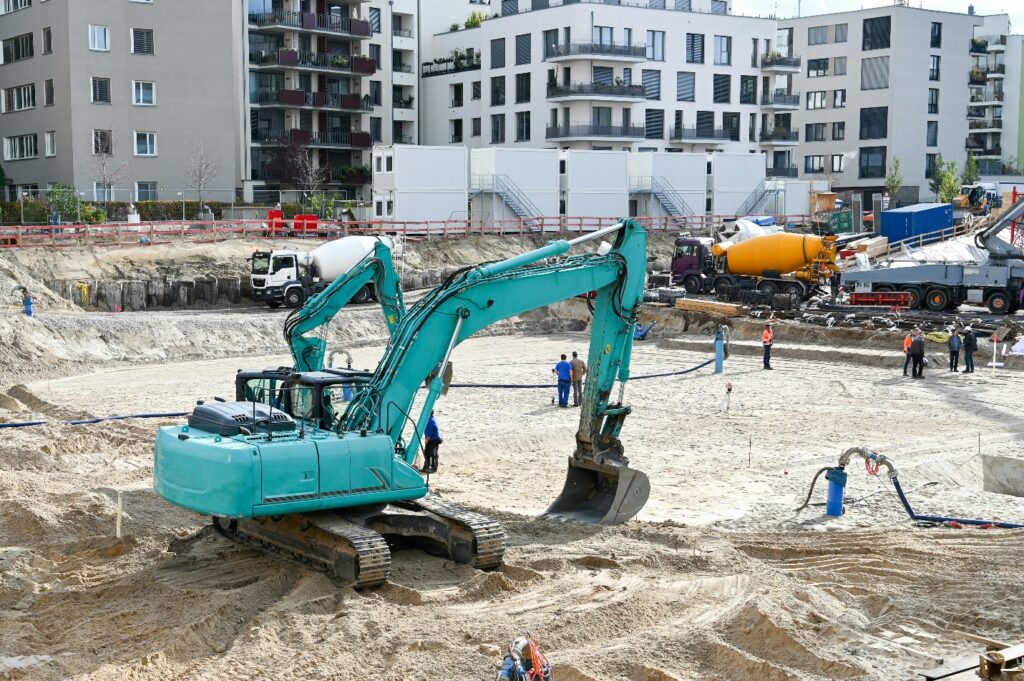

In construction projects, delay analysis depends on one critical factor above all else: reliable data. When reporting is inconsistent, incomplete, or conflicting, even a valid delay can become difficult to prove. Schedules may show one version of events, while field reports suggest another. This disconnect creates uncertainty, weakens credibility, and complicates responsibility allocation. It is often at this stage that a San Diego construction delay expert witness is required to review how reporting gaps impacted the overall claim and whether the conclusions can be trusted.
Why Reporting Consistency Is Critical to Delay Analysis
A construction schedule is only as reliable as the data used to update it. If progress reporting is inconsistent, the schedule no longer reflects actual project conditions. This directly affects delay analysis because conclusions rely on accurate timelines, activity durations, and sequencing.
Common reporting issues include:
- Missing or delayed updates
- Inconsistent percent complete tracking
- Unverified progress data
- Misaligned reporting across teams
When these issues occur, the foundation of construction delay analysis becomes unstable. Without consistent reporting, it becomes difficult to determine when a delay began, how long it lasted, and what caused it.
The Impact of Reporting Gaps on Claim Strength
Reporting gaps creates uncertainty in delay claims. Even if the delay itself is valid, missing data can weaken the ability to prove it. This often leads to disputes over facts that should otherwise be clear.
Typical gaps include:
- Missing daily reports
- Incomplete schedule updates
- Lack of photographic evidence
- Unrecorded site instructions
These gaps force analysts to rely on assumptions instead of documented proof. This is where forensic schedule analysis becomes more complex, as analysts must reconstruct timelines using incomplete information.
A construction claims expert witness will often identify these weaknesses early, as they directly affect claim credibility.
Conflicting Updates and Their Effect on Credibility
One of the most damaging issues in delay analysis is conflicting reporting. When different sources present different versions of events, it becomes difficult to establish a single, reliable timeline.
Examples of conflicting updates include:
- Schedule updates that do not match field reports
- Progress reports that differ from site conditions
- Inconsistent records between subcontractors and management
- Discrepancies in recorded activity durations
These inconsistencies raise questions about the accuracy of the claim. A San Diego construction claims expert witness will often assess which records are reliable and which may undermine the overall conclusion.
Why Unreliable Progress Tracking Creates Risk
Progress tracking is essential for understanding how work is advancing and whether delays are developing. When tracking is unreliable, it creates blind spots in the project timeline.
Common tracking issues include:
- Overstated progress percentages
- Delayed reporting cycles
- Lack of verification procedures
- Poor coordination between reporting systems
These issues make it difficult to identify critical path changes and delay impacts. A San Diego construction damages expert witness may also struggle to connect delays to financial losses when progress data is unclear.
Need Help Strengthening Your Delay Analysis?
At HPM Consultants, we understand how inconsistent reporting can undermine even the strongest delay claims. We provide expert analysis, structured reviews, and practical solutions to help you improve reporting accuracy and strengthen your conclusions. Whether you need support from a San Diego construction delay expert witness or guidance in building a defensible claim, we help you move forward with clarity and confidence.
Contact us today to discuss your project and get the expert support you need.