


Construction delays are among the most common causes of disputes between project stakeholders, but establishing a valid claim requires more than showing that a project finished later than expected. A successful delay claim involves identifying the events that affected progress, documenting the resulting impacts, determining responsibility, and evaluating any financial consequences.
A construction claims expert witness can help review schedules, project records, and supporting documentation to determine whether delays resulted from owner actions, contractor performance issues, design changes, or external factors. By applying structured analysis methods, experts provide clarity throughout the claim process and help stakeholders understand the facts behind complex construction disputes.
Understanding What Triggers a Construction Delay Claim
A construction delay claim typically arises when an event prevents a project from progressing according to the original schedule and creates measurable impacts for one or more parties. However, not every delay automatically results in a valid claim. Construction projects often experience minor setbacks, changes, or unexpected challenges that may be resolved without formal action. The key difference lies in whether the delay affects the critical path, causes additional costs, or creates contractual consequences.
Common causes of construction delay claims include design revisions, delayed approvals, material shortages, labor challenges, unforeseen site conditions, and coordination failures between project teams. For example, changes to drawings after construction has started may require additional work, while delayed permits or approvals can prevent scheduled activities from moving forward. Similarly, supply chain disruptions or unavailable materials can impact completion timelines and create financial consequences.
Determining whether these events qualify as compensable delays requires careful review of project schedules, contracts, and documentation. A construction delay expert can assist stakeholders by analyzing the circumstances surrounding a delay and determining whether the event affected project completion, caused additional expenses, or created grounds for a formal claim. Through detailed evaluation, experts help separate ordinary project challenges from delays that may require compensation or dispute resolution.
Step 1: Identifying and Issuing Notice of Delay
The first step in pursuing a construction delay claim is identifying the delay event and providing proper notice according to the requirements of the contract. Early notification allows all parties to understand that a potential issue may affect the project timeline, costs, or contractual obligations. Many construction agreements include specific notice periods, required formats, and procedures that must be followed when a delay occurs. Failing to provide notice within the required timeframe can weaken a claim or limit a party’s ability to recover additional time or compensation.
A delay notice should clearly explain the event causing the disruption, the expected impact on the project schedule, and any known consequences. Supporting documentation is essential during this stage, including project schedules, daily reports, change orders, meeting records, and written communications between project stakeholders. These records create an initial timeline of events and help establish how the delay developed.
Experienced construction delay expert services can assist during the early evaluation process by reviewing available project information and helping determine whether a delay event may have contractual significance. Early expert involvement can help identify potential risks, organize supporting evidence, and ensure that important details are properly captured before they become difficult to verify later in the claim process.’

Step 2: Documenting the Delay and Building the Record
Strong documentation is the foundation of any successful construction delay claim. Once a delay has been identified, project teams must collect and organize records that demonstrate what happened, when it happened, and how the event affected the project timeline. Without reliable documentation, even legitimate delay issues can become difficult to prove during negotiations, arbitration, or litigation.
Experts typically review a wide range of project records to understand the relationship between delay events and schedule impacts. This may include baseline schedules that show the original planned sequence of work, updated schedules that reflect actual progress, meeting minutes that highlight project discussions, requests for information (RFIs), submittals, correspondence, and cost records associated with delays or disruptions.
The quality of schedule documentation plays a major role in determining whether a delay claim can be supported with objective evidence. Construction scheduling experts help evaluate project timelines, compare planned progress against actual performance, and identify how specific events influenced critical activities. Their analysis provides stakeholders with a clearer understanding of schedule performance and helps create a more accurate foundation for assessing responsibility and potential damages.
Step 3: Performing Schedule and Delay Analysis
Once a delay claim has been identified and documented, the next stage involves a detailed review of the project schedule to determine the actual impact of the delay events. Forensic schedule analysis is a structured process used to evaluate how specific events affected the progress and completion of a construction project. Rather than relying on assumptions or general timelines, this approach examines project records, scheduling data, and other evidence to determine the relationship between delays and overall project performance.
A comprehensive analysis typically begins with a review of the critical path, which represents the sequence of activities that directly influences the project completion date. If a delay affects a critical activity, it may have a direct impact on the final completion timeline. However, delays affecting non-critical activities may not necessarily result in an extension of time or financial entitlement. Understanding this difference is essential when evaluating whether a delay claim is valid.
Experts also review progress updates, delay events, and potential project impacts to determine how construction activities changed over time. This includes examining whether delays occurred as isolated events or whether multiple issues affected the project simultaneously. Concurrent delays, where more than one party contributes to a delay during the same period, require careful evaluation because responsibility and entitlement can become more complex.
Several recognized methods may be used during forensic schedule analysis. A time impact analysis examines how a specific delay event affected the approved project schedule by adding the event into the planned timeline and evaluating the resulting impact. A windows analysis reviews the project through specific periods or “windows” of time to identify when delays occurred and how they influenced progress. An as-planned versus as-built comparison evaluates the original schedule against actual project performance to identify differences between expected and completed work.
A scheduling delay and analysis expert witness applies these methodologies to provide an objective assessment of delay causes, schedule impacts, and potential responsibility. Through detailed analysis, experts help owners, contractors, and legal professionals better understand the technical aspects of a claim and present evidence-based conclusions.
Strong construction scheduling expertise is particularly valuable when projects involve multiple contractors, changing conditions, or complex timelines. Accurate schedule analysis helps separate genuine project impacts from unrelated issues and provides a clearer foundation for negotiations, dispute resolution, or litigation.
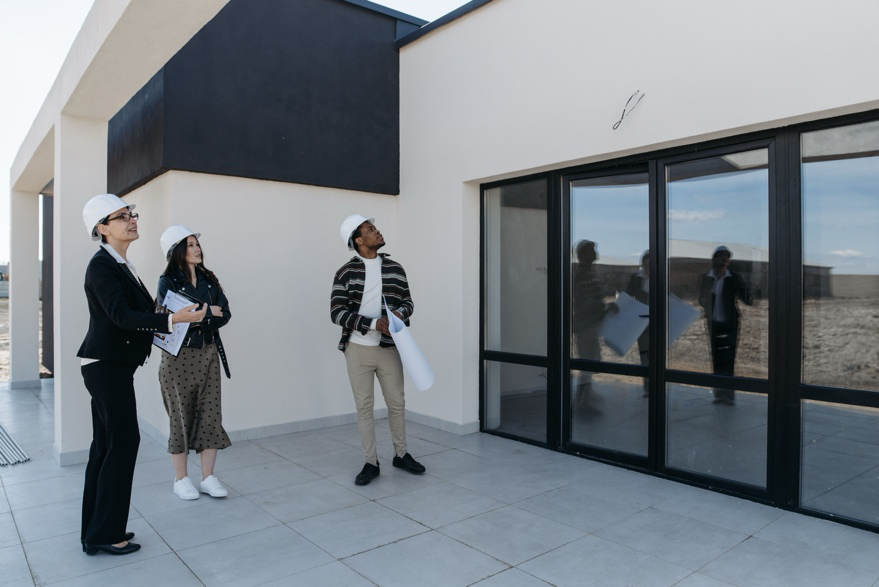
Step 4: Determining Delay Responsibility
After analyzing the schedule impacts, the next challenge is determining who is responsible for the delays and whether those delays create contractual liability. A project experiencing delays does not automatically mean that one party must provide compensation or additional time. Each delay event must be evaluated based on the contract terms, available documentation, and the circumstances surrounding the disruption.
Experts examine several important questions during this stage: Who caused the delay? Was the delay excusable under the contract? Was the affected party entitled to additional time or compensation? Did multiple parties contribute to the delay? Answering these questions requires a detailed understanding of construction processes, scheduling principles, and contractual obligations.
Owner-caused delays may occur when changes, late approvals, design revisions, or access issues prevent contractors from completing scheduled work. In these situations, contractors may seek additional time or compensation if they can demonstrate that the owner’s actions directly affected project progress.
Contractor-caused delays, on the other hand, may result from poor coordination, inadequate resources, scheduling issues, or failure to complete required work within the agreed timeframe. These delays may limit a contractor’s ability to recover additional costs and may expose them to potential damages.
Concurrent delays present some of the most complex situations because multiple events may contribute to a project delay at the same time. For example, an owner delay and a contractor delay may occur during the same period, making it necessary to determine the impact of each event and whether either party bears greater responsibility.
A construction disruptions expert witness can help evaluate these complex circumstances by reviewing project records, schedules, and contractual requirements. Through independent analysis, experts provide clarity on the causes of disruption and help stakeholders understand how responsibility should be assessed.
Determining responsibility is a critical stage in resolving construction delay claims because accurate conclusions depend on evidence rather than assumptions. A thorough evaluation allows parties to approach negotiations and dispute resolution with a clearer understanding of the facts.
Step 5: Calculating Delay Damages
After the cause and responsibility of a delay have been evaluated, the next stage involves determining the financial impact associated with the disruption. Construction delays can add significant costs for project stakeholders, but calculating these damages requires more than simply adding up expenses incurred during an extended timeline. A detailed assessment must establish the connection between the delay event and the financial consequences that followed.
Potential delay damages may include extended overhead costs, additional labor expenses, equipment costs, lost productivity, and increased supervision requirements. For example, when a project remains active beyond its planned completion date, contractors may experience additional expenses related to site management, project administration, temporary facilities, and equipment rentals. Similarly, disruptions to planned workflows can reduce productivity and increase the resources needed to complete the remaining work.
Accurately measuring these impacts requires a technical review of project records, schedules, contracts, and cost documentation. Experts must determine whether claimed expenses were directly caused by the delay or whether they resulted from unrelated project conditions. This process helps distinguish legitimate damages from costs that may not be recoverable under the terms of the agreement.
A delay damages expert witness can provide valuable support by analyzing financial impacts alongside schedule information to determine how delays affected overall project costs. By connecting delay events with measurable financial consequences, experts help create a clearer picture of the damages involved and provide objective findings that support negotiations, claims, or formal proceedings.
Delay damages analysis is especially important in complex construction disputes where multiple issues overlap. A structured approach ensures that all parties have a better understanding of the financial effects of delays and can work toward a fair resolution based on evidence.
Step 6: Negotiation, Mediation, and Dispute Resolution
Once delay analysis and damages evaluations have been completed, many construction claims move into the negotiation and resolution phase. While some disputes progress to litigation, many are resolved through discussions, mediation, or other alternative dispute resolution methods. Having a well-supported analysis can help parties approach these conversations with a clearer understanding of the facts and potential outcomes.
Objective analysis plays an important role during dispute resolution because construction delays often involve competing interpretations of events. Owners, contractors, and legal teams may have different perspectives on what caused a delay, who was responsible, and whether compensation is justified. Expert evaluations help bring technical clarity by presenting findings based on schedules, documentation, and industry methodologies.
During negotiations or mediation, experts may assist by explaining complex scheduling issues, presenting analysis findings, and providing independent opinions on disputed matters. Their role is not only to identify problems but also to help stakeholders understand the evidence behind each position. Clear communication of technical information can make it easier for parties to identify areas of agreement and move toward resolution.
For projects involving complex disputes, experienced consultants can support construction dispute resolution efforts by providing reliable schedule analysis, damages evaluations, and expert guidance. Whether a claim involves delays, disruptions, or disagreements over project responsibility, professional analysis helps create a stronger foundation for resolving conflicts.
Many construction delay claims can be addressed more efficiently when supported by thorough documentation and independent expert insight. By evaluating the facts before disputes escalate, stakeholders may be able to reduce unnecessary costs, avoid prolonged proceedings, and reach solutions that reflect the realities of the project.
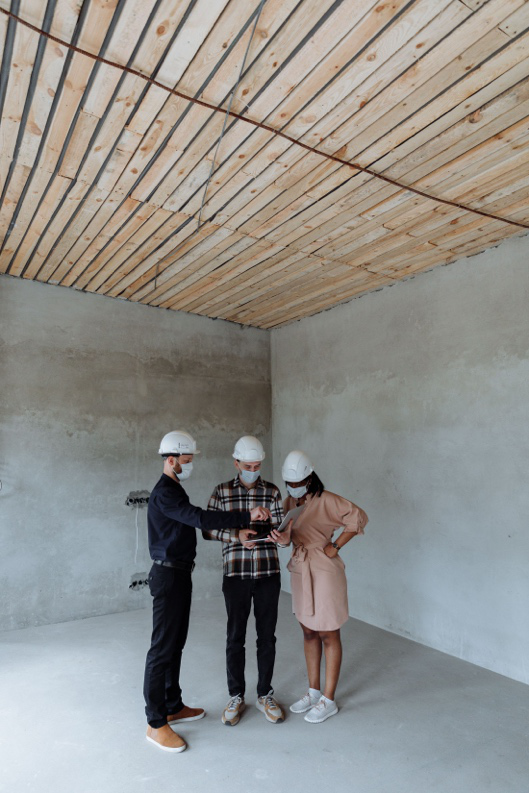
When Construction Delay Claims Require Expert Witness Support
While some construction delays can be resolved through regular project management processes, certain situations require the knowledge and experience of an independent expert. Large-scale projects, complex scheduling environments, multiple delay events, and formal disputes often involve technical details that require professional analysis beyond standard project reviews.
Expert witnesses become particularly valuable when a delay claim involves significant financial consequences, conflicting interpretations of project events, or legal proceedings such as litigation or arbitration. These professionals evaluate schedules, contracts, project records, and other evidence to determine the causes and impacts of delays. Their findings can help attorneys, owners, and contractors better understand the technical issues involved and present stronger positions during dispute resolution.
HPM Consultants provides construction expert witness services based on technical expertise, extensive construction experience, and an evidence-based approach to delay evaluation. The firm’s specialists analyze complex project information to identify delay causes, assess schedule impacts, and provide objective opinions that support informed decision-making.
For major construction disputes, expert involvement can make the difference between assumptions and evidence. By applying recognized analysis methods and industry knowledge, experts help stakeholders navigate complicated claims with greater clarity and confidence.
How Proper Delay Analysis Helps Prevent Future Disputes
Although delay analysis is often associated with resolving existing disputes, its value extends beyond claims that have already developed. A proactive approach to schedule analysis can help project teams identify risks earlier, improve planning processes, and reduce the likelihood of future conflicts.
Regular review of schedules and project performance allows stakeholders to identify potential delays before they significantly affect completion timelines. By monitoring critical activities, tracking changes, and maintaining accurate records, project teams can respond more effectively to emerging challenges.
Effective delay analysis can improve several areas of project management, including:
- Planning:Identifying potential risks before construction begins and developing strategies to address them.
- Scheduling:Maintaining realistic timelines and recognizing activities that may affect the critical path.
- Communication:Ensuring project teams have accurate information about progress, changes, and potential impacts.
- Risk management:Creating processes that reduce uncertainty and support better decision-making.
Strong documentation is also essential in preventing future disputes. Clear records of changes, communications, approvals, and schedule updates provide valuable evidence if disagreements arise later. Early identification of risks allows owners, contractors, and other stakeholders to address issues before they become major disruptions.
Through proactive analysis and improved project controls, construction delay mitigation strategies can help construction teams manage uncertainty and maintain better project outcomes. By understanding potential risks early, stakeholders can protect schedules, control costs, and create a more collaborative project environment.
Resolving Construction Delay Claims Through Evidence-Based Analysis
Construction delay claims involve multiple stages, from identifying the initial disruption to evaluating damages and reaching a resolution. Successful claim management depends on structured evaluation, accurate documentation, detailed schedule analysis, and expert insight. Without a clear understanding of what caused a delay and how it affected the project, disputes can become increasingly difficult and costly to resolve.
Experienced consultants provide the technical knowledge needed to analyze complex construction issues and present objective findings. Through careful review of schedules, project records, and financial impacts, experts help stakeholders understand the facts behind delays and make informed decisions.
HPM Consultants supports clients through every stage of the delay claim process with specialized analysis, expert guidance, and industry-focused solutions. The firm provides trusted assistance through San Diego construction claims expert witness services and advanced construction scheduling expert witness solutions. Contact HPM Consultants to learn how evidence-based analysis can help resolve challenging construction disputes and delay claims.