

Projects now cross borders more often than ever, which makes international construction delay analysis a practical concern for owners and contractors. Each country handles delay claims a little differently, and those differences can shape outcomes. Understanding them early can protect both time and money.
Disputes closer to home are affected too. A San Diego construction claims expert witness often draws on global practice when explaining how delay should be measured and proven.
Common Law Systems: Party-Led Evidence
In the United States, the United Kingdom, and other common law countries, each side usually hires its own expert. The experts present competing analyses, and the decision-maker weighs them.
Australia and Singapore, among others, also follow common law traditions, though their courts and contracts add local rules. Reading the governing law early avoids surprises.
Contracts in these systems often set strict notice rules. Failing to follow them can weaken an otherwise sound claim for time or money.
Many construction claims in these countries hinge on contemporaneous records, so teams that document early tend to fare better.
Civil Law Systems: Court-Appointed Experts
Many civil law countries rely more on experts appointed by the court. The expert is expected to be neutral and to report to the judge rather than to one party. Germany and France are examples of systems where court experts play a larger role.
This can shorten debates between competing reports. It also places more weight on how clearly the neutral expert explains scheduling methods.
Parties still prepare their own technical positions in advance. Strong early analysis helps them respond when the court expert asks questions.
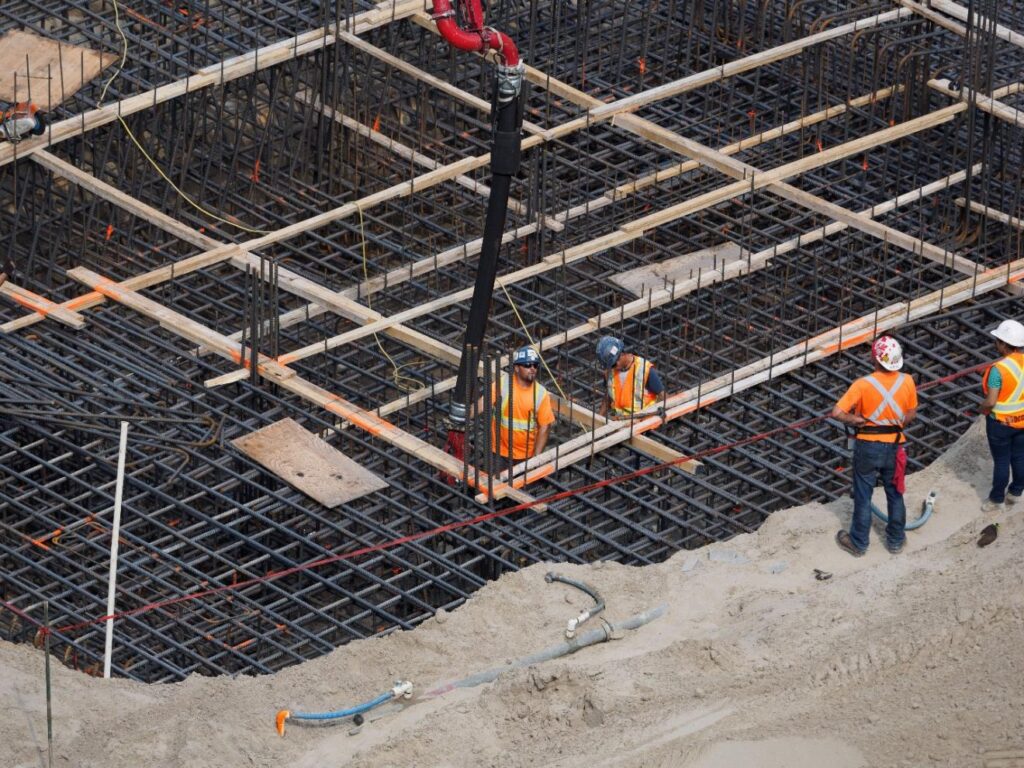
Image Filename: workers-on-scaffolding
Image Alt Text: Helmeted workers on scaffolding at a building site
Image Caption: Global standards, local solutions
International Contracts and Standard Forms
Many large overseas projects use contracts published by FIDIC, the International Federation of Consulting Engineers. These forms set out clear steps for giving notice and submitting claims.
Under the 2017 editions, a contractor generally must give notice of a claim within 28 days of becoming aware of the event. Missing that window can limit recovery, so tracking events from day one is essential.
Disputes under these forms may first go to a dispute board before arbitration. Preparing clear delay evidence early makes those stages far more productive.
Arbitration is common on international work. Institutions such as the ICC offer neutral forums where parties from different countries can resolve disputes under agreed rules.
Across these forms, international construction delay analysis depends on the same core question: what caused the delay, and who bears the risk? The answer must be proven with evidence.
Shared Principles and Practical Lessons
Despite differences, delay analysis methods are largely shared. Windows analysis and time impact analysis, described in AACE guidance, are used around the world.
A skilled delay damages expert then connects lost time to extra cost, such as extended overhead, idle labor, and financing. Each item needs support in the records.
Companies often seek delay analysis consulting before a dispute hardens. Early advice helps teams choose a method that fits their contract and the forum they may face.
Currency, local law, and language also matter. Reports prepared for an international audience should define terms clearly and explain each assumption.
Knowledge of international construction delay analysis practice helps teams anticipate how a foreign forum may view their evidence.
The same careful approach applies locally. A construction delay analysis prepared with global standards in mind is clearer for any audience.
When disputes reach a hearing, a construction delay expert witness explains the findings in plain language to the decision-maker.
Frequently Asked Questions
How do I file a construction claim in San Diego with expert witness support?
Review your contract notice terms, gather schedules and daily records, and engage an expert early. The expert can quantify delay and prepare the claim for submission.
When do I need a delay damages expert witness in San Diego for litigation?
Bring one in as soon as litigation looks likely, ideally before claims are filed. Early involvement helps shape the evidence and the damages model.
What does a construction delay expert witness in San Diego do in court cases?
The expert reviews records, performs the analysis, writes a report, and testifies about the findings. A neutral expert witness helps the court understand technical schedule evidence.
Do other countries require notice of delay?
Most do. Notice deadlines vary widely, so check each contract closely.
Does the same delay method work everywhere?
The core methods are widely recognized, but a forum may prefer one over another. Check the contract and rules first.
Can records from a foreign project be used here?
Often yes, if they are organized and complete. Good records support analysis in any forum.
Navigate Global Delay Claims With Confidence
HPM Consultants brings experience from complex disputes to every project. We apply proven analysis and clear reporting, and our San Diego delay damages expert witness supports clients through every stage. Our team understands how delay evidence is viewed across different legal systems. With the right approach to international construction delay analysis, claims become easier to prove. Contact us to discuss your project.