
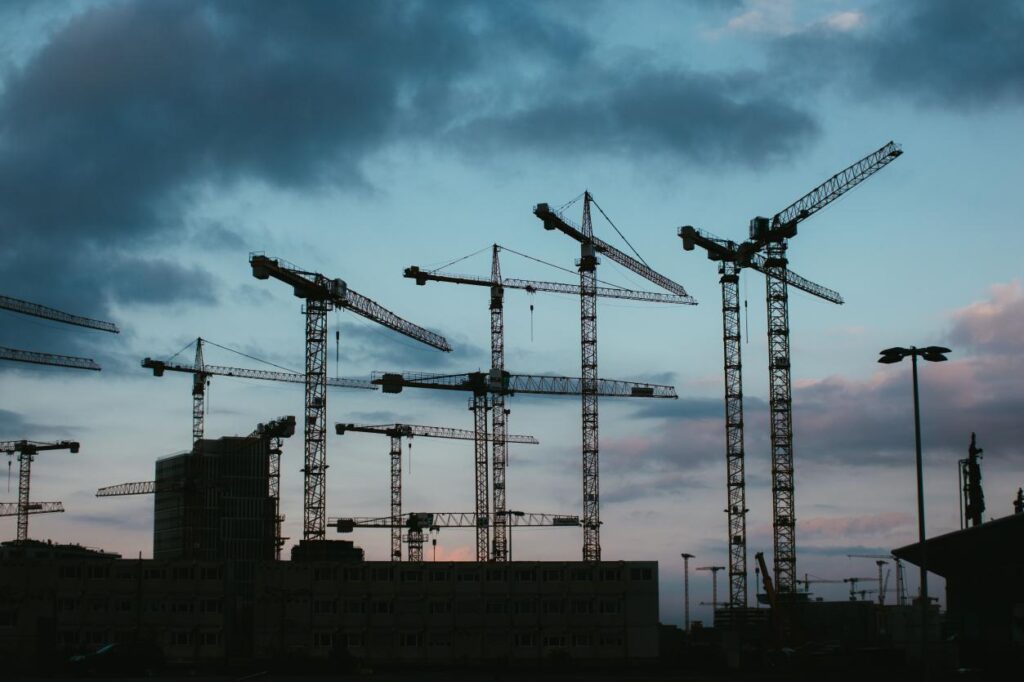

Effective construction technology schedule management is changing how teams spot risk before it becomes a delay. BIM, artificial intelligence, and analytics now give project teams earlier warnings and better data.
A San Diego, CA construction delay analyst sees the results of these tools every day, both in prevention and in dispute review. This article explains how each technology helps. Used well, these tools shift the focus from reacting to delay toward preventing it.
BIM: Coordinating Before Construction Starts
Building information modeling creates a shared digital model of the project. Teams can find clashes between trades before crews reach the site.
Linking the model to the schedule, often called 4D planning, lets teams watch the sequence of work before it happens. Sequencing problems that once appeared on site now appear on screen.
Better coordination is a direct form of construction scheduling improvement. Fewer clashes mean fewer stoppages, less rework, and less resequencing.
Model-based reviews also help with procurement. When quantities and delivery dates are visible early, long-lead items are ordered sooner.
AI and Predictive Risk Detection
Artificial intelligence tools can review past schedules and progress data to flag activities likely to slip. They look for patterns, such as repeated late deliveries or crews that fall behind in the same phase.
These tools support human judgment rather than replace it. NIST develops guidelines and standards for testing AI systems, a useful reference when teams validate the tools they adopt.
When a prediction proves wrong, teams need to know why. Documented assumptions make every automated result easier to explain later.
Training data matters. A tool trained on projects unlike yours may produce forecasts that look confident but miss local conditions such as permitting, labor supply, or weather.
Analytics and Real-Time Data
Dashboards now pull data from drones, sensors, daily reports, and schedule updates. Managers see actual progress against plan in near real time, so small variances get attention while they are still small.
Strong construction technology schedule management also depends on clean inputs. Inconsistent activity names, missed updates, or unlogged changes weaken even the best software.
The GAO Schedule Assessment Guide lists best practices for reliable schedules, including sound logic and regular updates. These principles hold no matter which software a team uses.
Alerts should lead to action. A dashboard that nobody reviews adds cost without adding control, so each metric needs an owner and a response plan.
What Technology Means for Delay Analysis
Technology also changes disputes. Time-stamped models, photos, and update histories give analysts a detailed record of what happened and when.
That record strengthens construction delay analysis, because conclusions can be traced to specific data points. It also shortens the time spent reconstructing events from memory.
Digital records still need context. A photo or log entry means more when it is tied to an activity, a date, and a person who can confirm it.
Forensic schedule analysis benefits in the same way. Analysts can compare planned and actual sequences with far greater confidence.
Many owners and contractors use delay analysis consulting to set up these data practices before a problem appears. Early advice keeps records consistent and usable.
Contracts should also address construction technology schedule management data, including who owns model and schedule files and how long they must be kept.
If a matter reaches a hearing, a construction delay expert witness can explain digital evidence in plain terms. Model outputs and software reports mean little unless someone can explain them clearly.
Frequently Asked Questions
How can a scheduling expert witness in San Diego help resolve project delays?
A scheduling expert witness reviews schedules and records, determines what caused the delay, and explains the findings clearly. This can help parties reach a fair settlement or help a judge follow the evidence.
How is forensic scheduling used in San Diego construction lawsuits?
Forensic scheduling reconstructs project events from updates, logs, and model data. Attorneys use the results to support or challenge claims for time and money.
How can I hire a qualified construction delay analyst in San Diego, CA for my project dispute?
Look for schedule analysis experience, testimony history, and clear reporting. Ask how the analyst handles digital data such as models and software exports.
Can BIM data be used as evidence?
Yes, when it is authentic and properly preserved. Experts often use model records to confirm sequence and timing.
Does AI replace a delay analyst?
No. AI can flag risks, but an experienced analyst must test the results and explain them.
Use Technology to Prevent and Resolve Delays
HPM Consultants helps owners, contractors, and attorneys turn schedule data into clear findings. We pair modern tools with proven analysis, and our San Diego, CA construction scheduling expert witness supports clients through every stage. We bring sound construction technology schedule management thinking to every file we review. Our team understands both the technology and the legal standards that apply to its output.
Contact us to discuss your project.