

Construction disputes are among the most complex cases in civil litigation. They involve overlapping schedules, technical specifications, shifting site conditions, and enormous sums of money. When a project goes wrong, the parties often turn to a specialist who can untangle what actually happened and explain it clearly to attorneys, arbitrators, and juries. That is the role of a construction expert witness. From the first review of the file all the way through trial, these professionals bring order to complicated facts. For owners, contractors, and counsel who need construction expert witness services in San Diego and beyond, understanding how the process works makes it far easier to build a strong case. This guide walks through each stage, from initial intake to post-trial support.
What a Construction Expert Witness Does
A construction expert witness is a qualified professional, often with decades of field experience, who analyzes the technical and scheduling issues at the heart of a dispute and offers independent, objective opinions. Unlike a fact witness, an expert is retained specifically to interpret evidence and educate the court. Their credibility depends on rigorous methods and clear reasoning, which is why courts evaluate expert testimony under standards such as those set out in Federal Rule of Evidence 702.
A seasoned construction claims expert witness reviews contracts, correspondence, daily reports, and schedules to determine responsibility for cost overruns and delays. The goal is never to advocate blindly, but to reach conclusions that will hold up under scrutiny. That independence is exactly what makes an expert valuable to attorneys and persuasive to the people deciding the case. A good expert is comfortable delivering unwelcome findings, because their duty is to the accuracy of the analysis rather than to either side of the dispute.
Case Intake and Early Assessment
Every engagement begins long before any opinion is formed. The intake stage sets the foundation for everything that follows, so we treat it with care.
Conflict Checks and Scope
Before accepting an assignment, we confirm there are no conflicts of interest and clarify the scope of work with counsel. We discuss the key issues, the deadlines, and the budget so that expectations are aligned from day one. A clear scope prevents wasted effort and keeps the analysis focused on what matters most to the case. It also gives counsel a predictable framework for cost and timing, which is especially valuable when trial dates are approaching quickly.
Initial Case Review
Next comes a preliminary review of the available records. This early assessment helps counsel understand the strengths and weaknesses of their position before investing in a full analysis. Sometimes the honest answer is that a claim is weaker than hoped, and knowing that early saves everyone time and money. When the facts support a strong position, the review becomes the roadmap for a deeper investigation. It also helps counsel decide where to focus limited resources, so that the most important issues receive the attention they deserve.
Document Review and Schedule Analysis
The heart of most construction cases lies in the documents and the schedule. This is where careful, methodical work separates a persuasive opinion from a shaky one.
Document Review
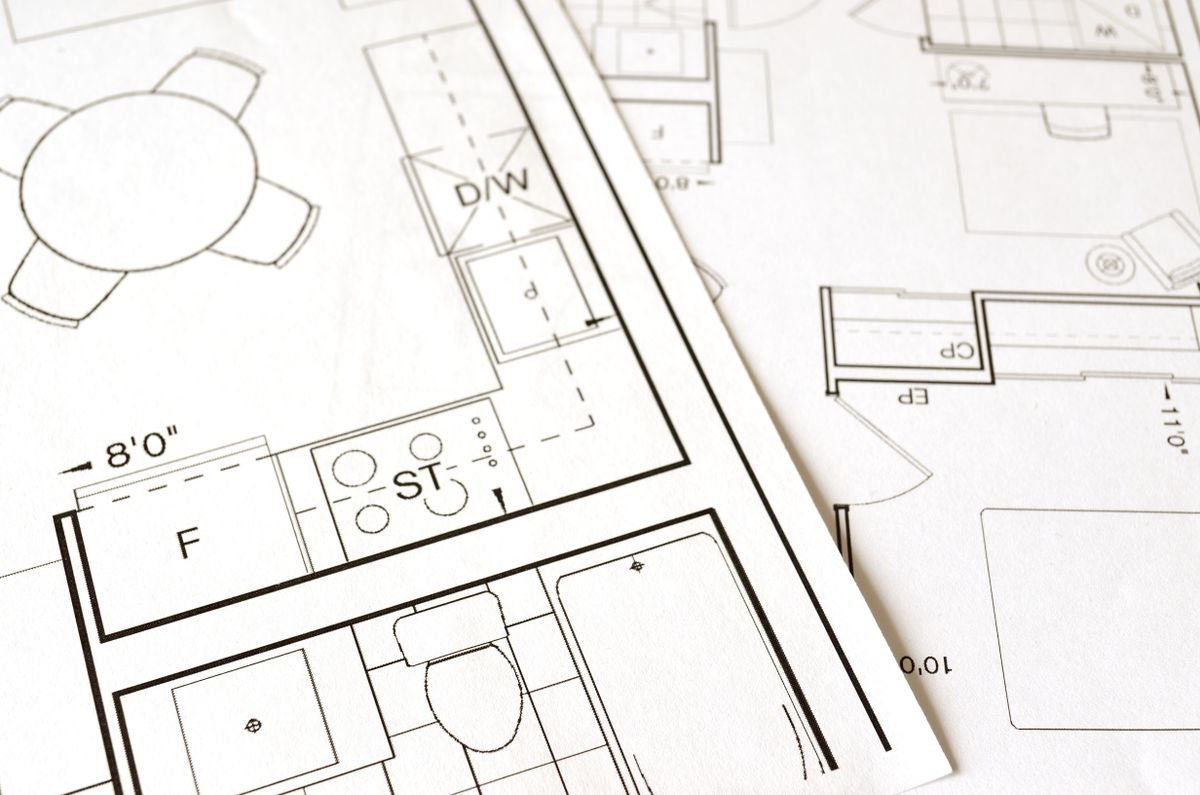
We examine contracts, change orders, requests for information, meeting minutes, daily logs, photographs, and payment records. Patterns emerge from these materials that reveal how a project truly unfolded. Thorough document review is tedious, but it is where the real story of a project is found, and it forms the evidentiary backbone of every credible opinion. Missing or inconsistent records can be just as telling as the documents that exist, and an experienced reviewer knows how to spot those gaps.
Schedule Delay Analysis
Schedule analysis is often the decisive element in a delay case. Using recognized methods, a construction scheduling expert witness compares the planned schedule against what actually happened, isolating the events that drove critical path delays. This work identifies which party is responsible for each period of delay and distinguishes excusable from non-excusable causes. Federal agencies that manage large projects, such as the Federal Highway Administration, rely on similar scheduling principles to keep work on track.
Report Preparation and Damages Quantification
Once the analysis is complete, the findings must be organized into a clear, defensible report. A well-written report translates complex technical work into language that attorneys, arbitrators, and jurors can follow, laying out the methodology, the evidence, and the conclusions in a logical sequence. Alongside liability, a delay damages expert witness quantifies the financial impact of delays and disruptions, including extended overhead, escalation, and lost productivity. Every number must trace back to source documents so the opinion can withstand cross-examination. At this stage, clarity and support are everything. A report that is easy to follow and firmly grounded in the record gives counsel a powerful tool for settlement discussions and for trial alike.
Depositions, Mediation, and Arbitration
Long before trial, an expert’s opinions are tested in other settings. How an expert performs in these forums often shapes the outcome of the entire case.
Depositions
During a deposition, opposing counsel questions the expert under oath to probe the basis of every opinion. A prepared expert answers calmly, sticks to the analysis, and avoids speculation. A strong deposition can encourage a fair settlement, while a weak one can quietly undermine an otherwise solid case.
Mediation and Arbitration Support
Many disputes never reach a courtroom. Instead, they are resolved through mediation or arbitration, where expert input is often pivotal. In these settings, clear and credible analysis supports construction dispute resolution in Los Angeles and other busy markets, giving the parties a realistic view of their exposure. Courts increasingly encourage these alternatives, and public resources on court programs explain how they work.
Trial Testimony and Post-Trial Support
When a case does go to trial, the expert becomes a teacher. Testimony must be confident, clear, and honest, translating technical findings into a story the jury can understand. Effective experts use exhibits and plain language, and they hold firm under cross-examination without becoming defensive. After the verdict, the work is not always finished. Experts may assist with post-trial motions, appeals, or the calculation of final awards. This continued support ensures that the analysis keeps serving the client through the final resolution of the matter. In many cases, the expert who understands the record best becomes an invaluable resource well after the courtroom lights dim.
Partner With Experienced Construction Experts
Choosing the right expert can make the difference between winning and losing a construction dispute. From the first file review to the final day of trial, experience, independence, and clarity matter at every step. As a construction delay expert witness in Orange County and across California, we bring the technical depth and courtroom composure that complex cases demand. Whether you need a construction disruptions expert witness to analyze lost productivity or a delay analysis expert witness to dissect a critical path, we are ready to help. At HPM Consultants, we partner with attorneys and owners to turn complicated facts into clear, defensible conclusions. Contact us today to discuss how we can strengthen your next case.