
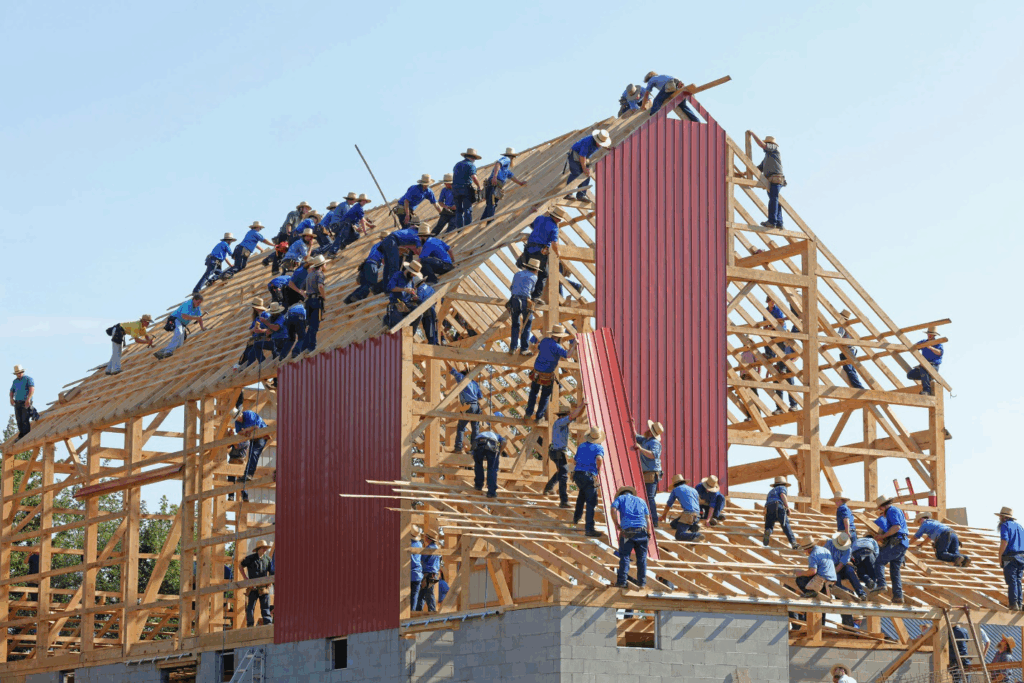

A major construction project faces unexpected ground conditions that halt progress. The contractor blames the owner for unclear site data, while the owner insists the contractor should have anticipated the problem. Situations like this are common and costly. Understanding contractual obligations in delay events is essential for avoiding disputes, ensuring fair accountability, and protecting all parties involved in complex projects.
Defining Contractual Responsibilities
Every construction contract defines who is responsible for potential delays. These clauses outline timelines, obligations, and the allocation of risks between the parties. The contract serves as the foundation for determining who bears responsibility when events disrupt progress.
Typical clauses addressing delay responsibilities include:
- Force Majeure:Covers uncontrollable events such as extreme weather or natural disasters.
- Owner-Caused Delays:Includes late design approvals, payment issues, or access restrictions.
- Contractor-Caused Delays:Involves labor shortages, poor planning, or resource mismanagement.
- Concurrent Delays:Occur when both parties contribute to overlapping delays.
Understanding these distinctions helps contractors and owners identify their duties early and minimize the risk of disputes.
Common Causes of Delay Disputes
Disagreements often arise when contracts are ambiguous or when unforeseen conditions occur. In San Francisco and other busy construction markets, multiple contractors and regulatory layers make delay disputes even more complex.
Common triggers include:
- Differing site conditions that require design or material changes
- Late material deliveries or supplier issues
- Changes in project scope or added work
- Miscommunication between subcontractors and owners
These situations often blur the lines of responsibility, highlighting the need for precise documentation and expert interpretation.
The Role of Documentation
Documentation is the strongest defense against any delay dispute. Accurate, detailed records establish whether each party met their contractual duties.
Key documentation includes:
- Updated project schedules that track progress and deviations
- Daily logs and correspondence to confirm instructions and approvals
- Meeting minutes and reports showing decisions and follow-up actions
Without these records, it becomes difficult to prove compliance or assign responsibility. Proper documentation not only supports fairness but also demonstrates professionalism and transparency in managing project risks.
Expert Guidance in Delay Analysis
When disputes escalate, objective analysis becomes essential. A delay damages expert or a delay construction damages expert provides an independent evaluation of project records, identifying the true cause and extent of delay.
These professionals interpret complex data and contract terms to show whether the delays were excusable, compensable, or concurrent. Working alongside a construction delay expert witness, they help quantify time loss, assess financial impact, and present findings clearly during arbitration or litigation.
Their work bridges the gap between technical scheduling issues and legal interpretation, ensuring that decisions are based on facts, not assumptions.
Legal and Regional Insight
Disputes are often resolved through expert testimony. A construction claims expert witness clarifies technical issues in legal settings, explaining how documentation, scheduling, and obligations align under contract law.
In California, working with a construction claims expert witness in San Francisco adds valuable regional insight. They understand local construction standards, permitting timelines, and legal precedents that affect delay responsibility. This regional familiarity ensures that findings are accurate, relevant, and tailored to the jurisdiction where the project operates.
Avoiding Future Contractual Conflicts
The best way to handle delay disputes is to prevent them from occurring. Contractors and owners should:
- Review contracts thoroughly before signing
- Ensure responsibilities and risk allocations are clear
- Establish communication protocols for delay reporting
- Engage experts early to review and interpret clauses
By addressing potential conflicts during planning, both parties can reduce uncertainty and maintain stronger working relationships throughout the project lifecycle.
Protect Your Projects Through Contract Clarity
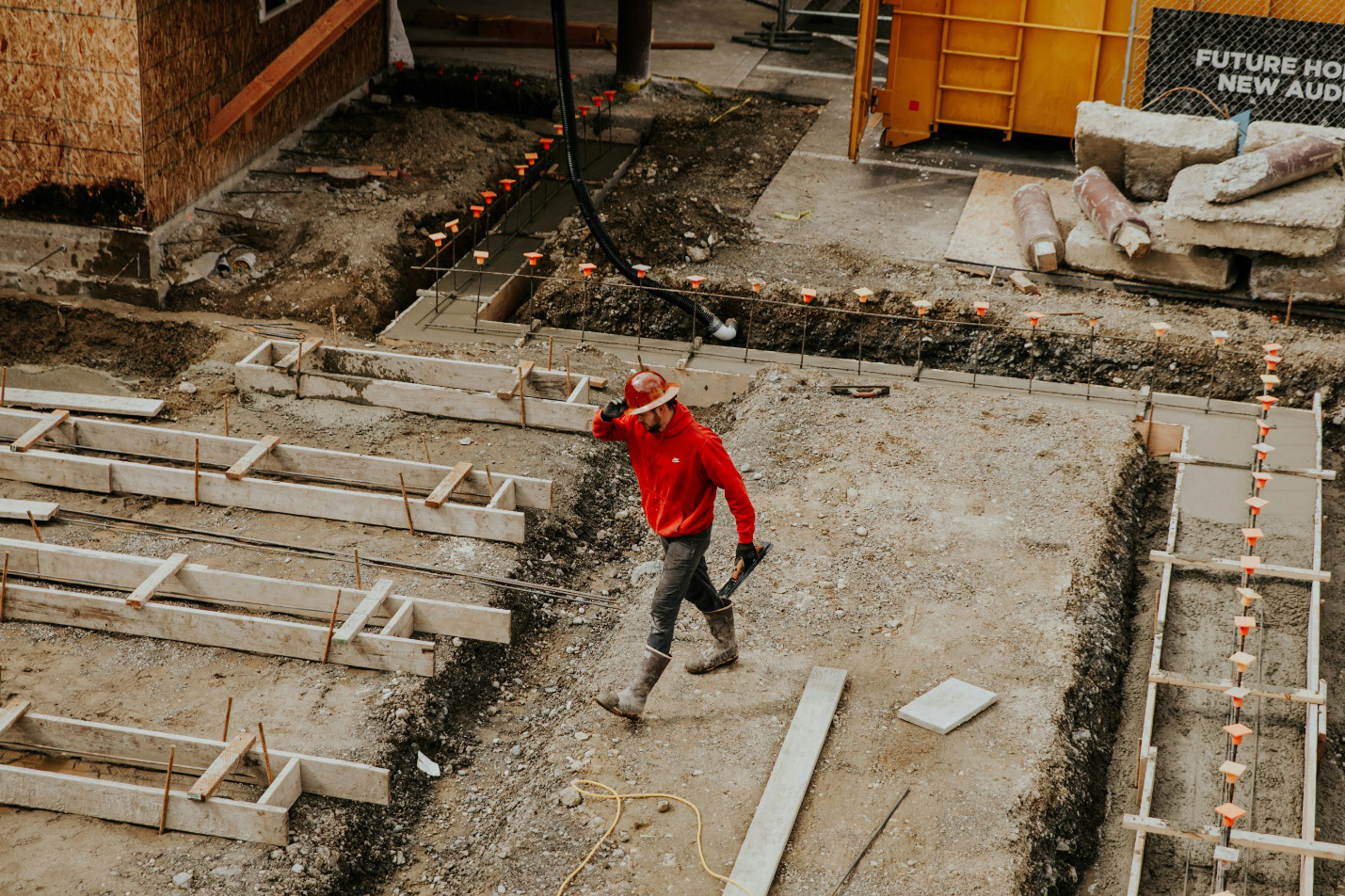
At HPM Consultants, we help clients navigate complex contractual obligations in delay events with precision and confidence. Our team interprets contract language, analyzes documentation, and provides expert testimony that supports fair, defensible outcomes. Whether you’re facing a dispute or reviewing future contracts, we offer the expertise needed to safeguard your project’s success.
Contact us today to strengthen your case with credible expert witness support.
