
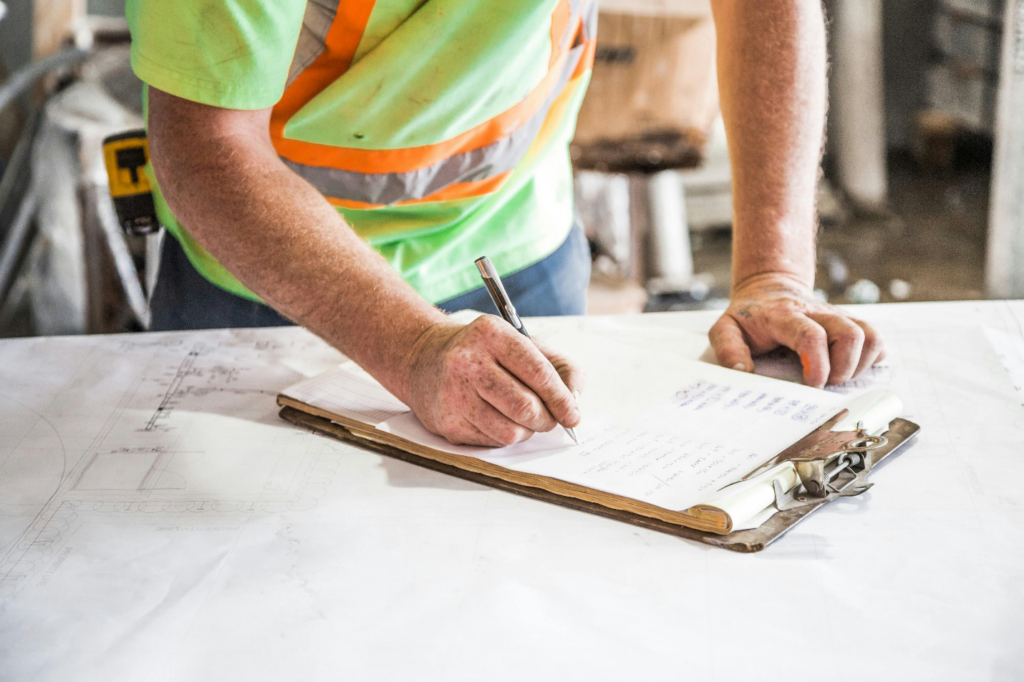

Strong construction claims are not built on frustration or assumptions. They are built on facts, records, timelines, and clear cause-and-effect logic. If a claim cannot explain what happened, why it happened, who was responsible, and how it affected the project, it becomes easy to challenge. A strong claim works like a disciplined team. Every record has a role. Every argument supports the next. Every detail helps move the case forward with clarity.
Why Weak Claims Fall Apart
A construction claim may seem valid at first. A project ran late. Costs increased. Work was disrupted. The team may know something went wrong. However, knowing something went wrong is not enough in a dispute.
Weak claims usually fail because they do not prove the full chain of events. They may identify a problem, but they do not show how that problem caused delay, disruption, or added cost.
Common weaknesses include:
- Poor documentation
- Weak causation
- Unsupported assumptions
- Missing schedule updates
- Unclear responsibility
- Vague damage calculations
- No connection between delay and cost
- Overstated impacts
A strong claim must explain the issue in a way that is logical, supported, and easy to follow.
Start With Clear Causation
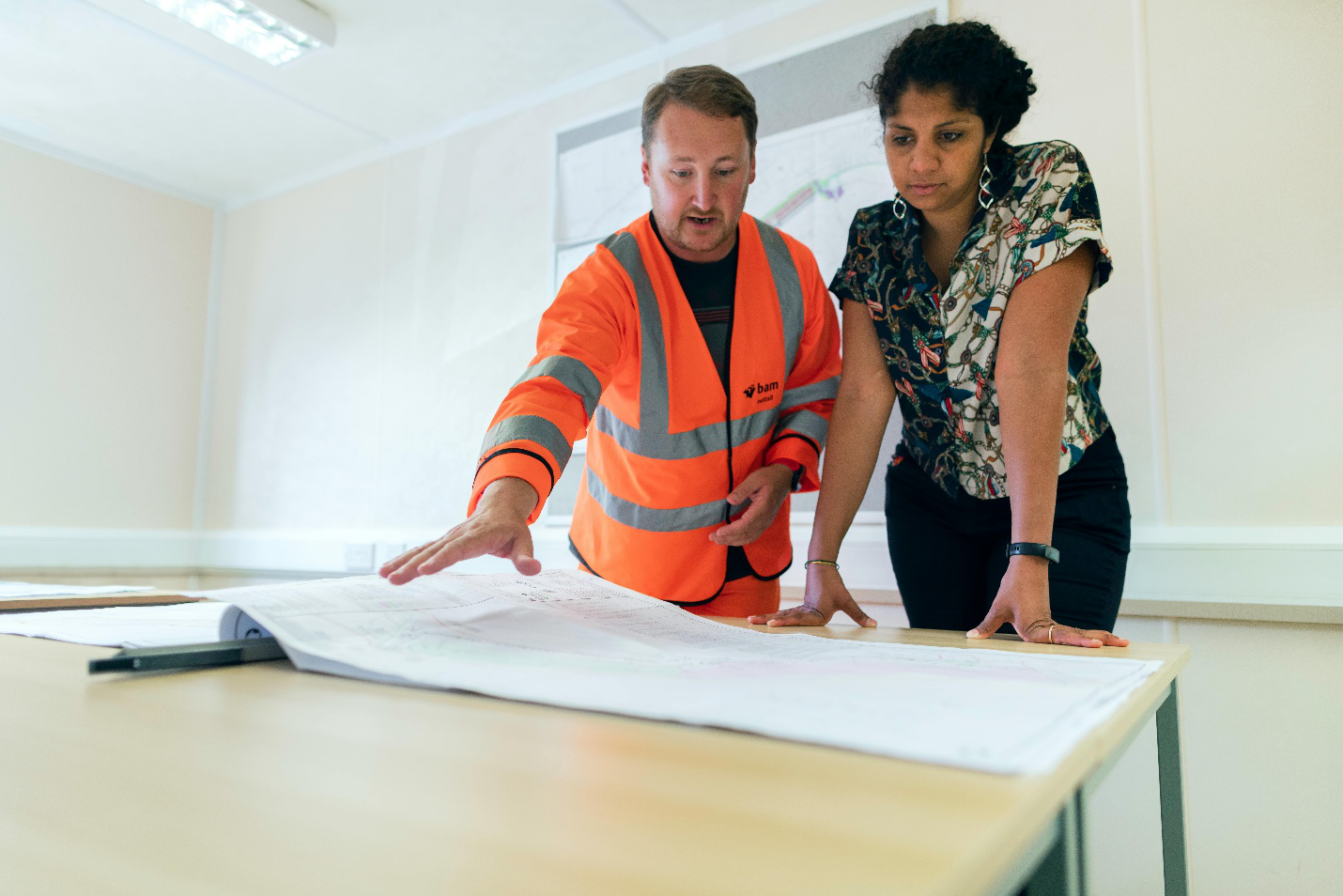
If a claim says the project was delayed because of late design information, it must show more than that. It should identify what design information was late, when it was needed, when it was received, what work depended on it, and how that delay affected the project schedule.
This is where construction delay analysis helps. It connects project events to schedule impacts through a clear review of timelines, activities, records, and project progress.
A strong causation argument should show:
- The delaying event
- The affected activity
- The responsible issue or party
- The timing of the impact
- The effect on the schedule
- The cost or time impact that followed
Without this structure, the claim becomes too easy to dismiss.
Avoid Broad Statements
Weak claims often use broad language. They say the project was delayed, productivity was lost, or costs increased. These statements may be true, but they are not strong enough on their own.
A strong claim needs detail. It should explain which work was affected, when it was affected, why the impact mattered, and what records support the position.
For example, instead of saying the whole project was disrupted, the claim should identify the specific trade, work area, sequence, or activity that was affected. Specific claims are easier to prove. General claims are easier to challenge.
Use Documentation as the Backbone
Documentation is one of the strongest tools in a construction dispute. It shows what happened when memories fade, and positions become contested.
Important records may include:
- Baseline schedules
- Updated schedules
- Daily reports
- Meeting minutes
- RFIs
- Change orders
- Inspection records
- Emails
- Notices
- Photos
- Cost records
- Labor records
- Equipment logs
Good documentation helps prove timing, responsibility, progress, and impact. Poor documentation creates gaps that weaken the argument.
The best teams document issues as they happen. Waiting until the dispute escalates makes it harder to recover missing details.
Connect Each Record to the Argument
Having records is not enough. The records must support the claim in a clear order.
A strong claim should follow a simple path:
- This event happened
- This record proves it happened
- This work was affected
- This schedule update shows the impact
- This cost record supports the damages
This structure helps decision makers understand the claim without guessing. It also shows that the argument is based on evidence, not emotion.
Do Not Rely on Unsupported Assumptions

A delay damages expert can help review whether the claimed damages are reasonable and supported. This matters because damages are often heavily challenged in disputes.
A strong damages position should explain:
- What costs were incurred
- When they were incurred
- Why were they incurred
- How do they connect to the delay or disruption
- What records support them
If the cost impact cannot be explained clearly, it may not hold up.
Separate Delay From Disruption
Delay and disruption are not the same thing.
Delay affects time. It pushes work later or extends the project completion date.
Disruption affects productivity. It changes how work is performed and can make crews less efficient.
A weak claim often mixes both issues without explaining the difference. A strong claim separates them and explains each one properly.
For delay, focus on the schedule impact. For disruption, focus on productivity, crew movement, work sequencing, stacking of trades, overtime, access issues, and repeated remobilization.
Keep the Schedule Reliable
The project schedule is often central to a construction claim. It shows planned work, progress, sequencing, dependencies, and delays.
However, a schedule can also become a weakness if it is not reliable.
Common schedule problems include:
- No approved baseline
- Missing logic links
- Poor activity sequencing
- Infrequent updates
- Progress that does not match field records
- Unclear critical path
- Changes made without explanation
A strong claim needs a schedule that can be trusted. Regular updates, clear logic, and accurate progress records help protect the claim from challenge.
Prove Construction Damages Carefully
Time impacts often lead to cost impacts. These may include extended supervision, equipment costs, labor inefficiency, overhead, escalation, or subcontractor costs.
However, construction damages must be supported with evidence. It is not enough to say costs increased. The claim must show that the increase was connected to the issue being claimed.
Strong damage analysis separates normal project costs from claim-related costs. It also avoids inflated totals that cannot be tied to records.
Use Expert Support Early
Many teams involve experts too late. By then, the dispute may already be tense, the records may be scattered, and the claim position may already have weaknesses.
Early delay analysis consulting can help identify gaps before they become serious problems. It can also help test causation, review the schedule, organize records, and assess whether the claim is ready to move forward.
This support does not mean every issue must turn into a formal dispute. It means the team understands its position before taking action.
Strengthen the Claim Narrative

A strong claim needs a clear narrative. The narrative should not be dramatic. It should be organized.
It should explain:
- What the contract required
- What changed during the project
- What issue caused the delay or disruption
- Who was responsible for the issue
- How the schedule was affected
- How costs were affected
- What evidence supports the claim
A clear narrative helps the claim feel steady and credible. If the argument jumps around or repeats itself, it becomes harder to follow.
Avoid Overclaiming
Overclaiming damages credibility. A claim may include valid issues, but if it also includes unsupported or exaggerated impacts, the whole position becomes easier to attack.
A strong claim focuses on what can be proven. It does not include every frustration from the project.
Avoid:
- Claiming delays that did not affect the critical path
- Including costs without records
- Blaming one party for unrelated issues
- Ignoring concurrent delay
- Inflating productivity losses
- Overstating minor impacts
A focused claim is stronger than a larger claim with weak support.
Address Concurrent Delay Honestly
Concurrent delay happens when more than one delay affects the project during the same period. It can complicate responsibility and recovery.
A weak claim ignores concurrent delay. A strong claim addresses it directly.
If concurrent delay exists, the analysis should separate events, review timing, and determine how each issue affected the project. Handling difficult facts honestly can strengthen credibility.
Answer Key Claim Questions Early
Strong claim preparation means asking the right questions before the dispute grows.
How can a delay damages expert witness in San Diego strengthen my construction claim?
They can connect delay events to financial impacts, review damage calculations, test assumptions, and help present the claim with stronger support.
How do construction claims experts in San Diego support litigation?
They review project records, explain technical issues, analyze schedules, evaluate damages, and provide clear expert opinions for dispute resolution.
How do I choose a local construction expert witness for my project?
Look for relevant project experience, strong technical knowledge, clear communication, objectivity, and the ability to explain complex issues simply.
How can an analysis expert witness strengthen my construction claim?
They can identify weak points, review causation, organize evidence, test schedule impacts, and help turn scattered records into a stronger claim position.
Build Stronger Claims With HPM Consultants

Weak arguments cost time, money, and leverage. Strong arguments give your team a better position before the dispute grows. At HPM Consultants, we help clients review schedules, assess causation, organize evidence, evaluate damages, and prepare clearer claim positions through construction expert services that support practical dispute resolution.
Contact us to build stronger construction claim arguments backed by evidence, clarity, and disciplined expert analysis.