


Construction teams often respond to delay pressure with one immediate solution: move faster. Owners demand earlier turnover, contractors commit to recovery milestones, and project teams begin compressing durations to regain lost time. On paper, this approach appears logical. In practice, schedule acceleration risks can be significant when aggressive timelines are imposed without validating field realities. Instead of resolving delay exposure, acceleration frequently creates productivity loss, disruption claims, and additional critical path impacts. The key issue is not whether the schedule can be shortened theoretically, but whether the work can be accelerated without introducing new delay drivers.
Why Schedule Compression Often Fails in Practice
Schedule compression usually takes two forms:
- fast-tracking, where activities that were originally sequential are overlapped
- crashing, where additional labor, equipment, or shifts are added to reduce durations
Both methods can work when supported by accurate planning and resource availability. Problems arise when compression is driven solely by milestone pressure.
A question project teams often ask is: What are the risks of schedule compression in construction projects?
The answer lies in execution.
A schedule may indicate that adding more labor recovers ten working days. The field environment may show limited access, trade congestion, inspection dependencies, or material constraints that make recovery impossible.
This is where construction delay analysis becomes essential.
Forced Acceleration and the Creation of New Risks
Forced acceleration occurs when a team is directed to recover a delay without sufficient time, labor capacity, or sequencing flexibility.
Typical forced measures include:
- Overtime shifts
- Weekend operations
- Multiple crews in the same work area
- Reduced float between activities
- Compressed procurement windows
These measures may initially appear to recover lost time, but they often introduce new inefficiencies.
For example, extending work hours beyond normal shifts may reduce crew productivity due to fatigue, coordination errors, and increased rework.
Instead of shortening the timeline, the project may experience reduced output per labor hour.
This is one of the most overlooked schedule acceleration risks.
Resource Stacking and Trade Interference
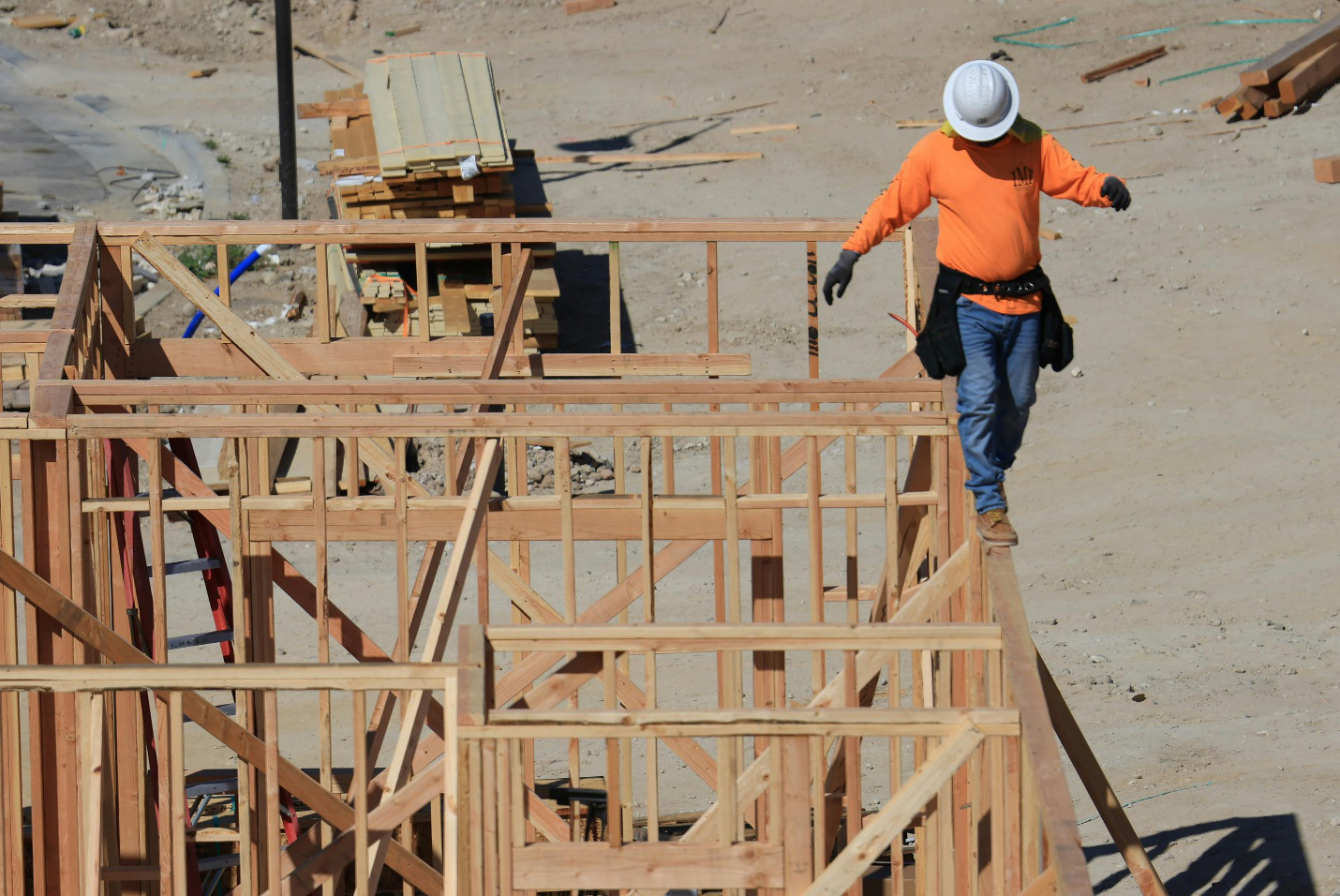
One of the most common causes of failed acceleration is resource stacking.
This occurs when multiple trades are placed in the same physical work zone to reduce durations.
Examples include:
- MEP rough-in crews are working simultaneously with drywall framing
- Finishing trades in incomplete areas
- Structural and façade teams sharing restricted access zones
Rather than improving speed, this often causes:
- Workspace congestion
- Access conflicts
- Tool and equipment bottlenecks
- Waiting time between trades
- Reduced installation quality
This is a central issue in forensic schedule analysis, where actual productivity is compared against planned recovery assumptions.
In many disputes, the acceleration plan itself becomes the source of delay.
Productivity Loss and Disruption Impacts
Acceleration rarely affects only the schedule.
It directly impacts productivity.
Common effects include:
- Lower output per crew hour
- Increased rework
- Supervision overload
- Inspection delays
- out-of-sequence work
For example, crews working extended shifts may initially recover time during the first few days, but productivity often declines over longer periods.
This loss must be quantified carefully.
A construction scheduling expert witness may later assess whether the acceleration directive directly caused measurable disruption damages.
This analysis becomes especially important in owner-contractor disputes involving acceleration orders.
How Aggressive Timelines Create New Delays
One of the greatest schedule acceleration risks is that acceleration can create fresh delay events.
Examples include:
- Inspection backlogs
- Procurement misalignment
- Labor fatigue
- Safety stoppages
- Quality failures requiring rework
At that point, the recovery strategy no longer solves the delay.
It becomes a new delay driver.
This is where project controls consulting provides real decision-making value.
Before implementing acceleration, teams should evaluate:
- Field access limitations
- Crew productivity assumptions
- Trade sequencing dependencies
- Material lead times
- Inspection capacity
Without this review, aggressive timelines frequently backfire.
Why Expert Evaluation Matters

A construction delay analyst in San Diego, CA, may be engaged to determine whether acceleration assumptions are operationally achievable.
Similarly, a construction scheduling expert witness may later assess whether the compressed schedule was technically reasonable.
In claim environments, a construction delay expert witness often evaluates whether disruption costs, labor inefficiencies, and extended supervision expenses resulted directly from forced acceleration.
This is not just a scheduling issue.
It is a cost, liability, and dispute issue.
How to Reduce Acceleration Exposure
Before compressing any schedule, project teams should perform:
- Critical pathvalidation
- Resource loading review
- Productivity benchmarking
- Field logistics assessment
- Disruption risk modeling
This allows decision-makers to determine whether the recovery plan is realistic.
A defensible schedule must reflect actual field constraints, not just milestone pressure.
Need Help Evaluating Acceleration Exposure?

At HPM Consultants, we help clients assess schedule acceleration risks through detailed construction delay analysis, forensic schedule analysis, and expert scheduling reviews. We work with owners, contractors, and legal teams to determine whether recovery plans are technically feasible and commercially defensible.
If your project is facing acceleration pressure, disruption claims, or emerging productivity loss, contact us today so we can help protect your timeline, costs, and claim position.