


Construction projects generate large volumes of information throughout their lifecycle. Daily reports, schedules, meeting minutes, emails, photographs, and change documentation all contribute to the project record. While these records may seem routine during project execution, they often become some of the most important pieces of evidence when delays occur.
When disputes arise, project stakeholders must determine what happened, when it happened, and how it affected project performance. Accurate documentation helps answer these questions and provides the foundation needed to evaluate delay claims fairly and objectively. Without reliable records, proving causation, responsibility, and project impacts can become significantly more challenging.
Documentation Creates a Reliable Project History
Construction projects are constantly changing. Work progresses, conditions evolve, schedules shift, and unforeseen events occur. Because of this, maintaining accurate records is critical.
Project documentation creates a historical record that allows stakeholders to review events long after they occur. These records help establish timelines and provide evidence regarding project conditions at specific points in time.
Important project records often include:
- Daily reports
- Schedule updates
- Meeting minutes
- Progress photographs
- Correspondence
- Change orders
Together, these documents provide a detailed picture of project performance and support more informed evaluations when disputes arise.
Supporting Construction Claims
Strong documentation plays a central role in supporting construction claims. Whether a claim involves delays, disruptions, scope changes, or productivity impacts, documentation helps demonstrate the facts surrounding the issue.
For example, project records may identify when a delay began, what conditions caused it, and how work activities were affected. Emails and meeting minutes may provide insight into discussions regarding project challenges, while daily reports may document specific field conditions.
Without supporting documentation, claims often become more dependent on opinions and recollections rather than objective evidence.
Why Documentation Gaps Create Challenges
Missing or incomplete records can create significant difficulties during claim evaluations.
When documentation gaps exist, stakeholders may struggle to determine:
- The cause of a delay
- The timing of project events
- Responsibility for impacts
- The extent of project disruption
A construction delay expert often relies on project documentation to evaluate delay events and establish causation. When key records are unavailable, the analysis becomes more difficult, and conclusions may be challenged more easily.
Consistent documentation practices help reduce uncertainty and improve the reliability of project evaluations.
Documentation and Schedule Analysis
Project schedules are valuable tools, but they rarely tell the complete story on their own. Supporting documentation helps explain why schedule changes occurred and how project events influenced progress.
For example, schedule updates may show that an activity was delayed, while daily reports and correspondence may explain what caused the delay. Together, these records create a more complete understanding of project performance.
This relationship between schedules and documentation is often essential when evaluating project impacts and determining responsibility.
Supporting Damage Evaluations
Delays can create financial consequences that extend beyond schedule impacts. Additional labor costs, extended overhead, and productivity losses may become part of a claim.
A delay damages expert may review project records to determine whether claimed damages are supported by available evidence. Detailed documentation helps establish a connection between project events and financial impacts, making damage evaluations more reliable.
Strong records can significantly improve the quality and credibility of these assessments.
The Value of Independent Review
Complex disputes often require objective analysis from experienced professionals.
A San Diego construction expert witness may review schedules, correspondence, reports, and other project records to understand project performance and clarify disputed issues.
Similarly, a San Diego construction claims expert witness may evaluate documentation to determine whether available evidence supports the positions being presented during a dispute.
The quality of the project documentation often influences the strength of the conclusions that can be reached.
Strengthen Delay Claims Through Better Documentation
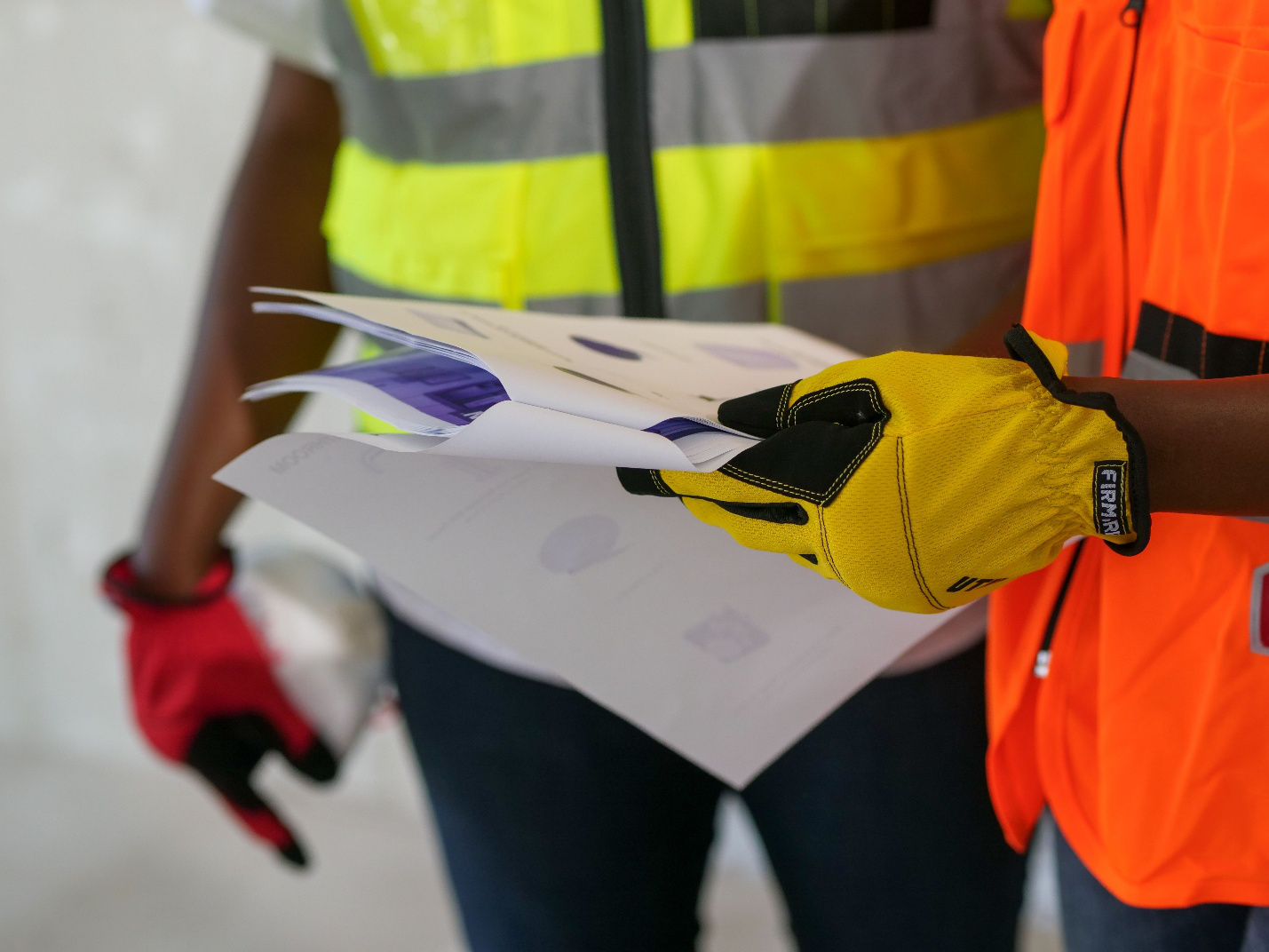
Accurate documentation helps establish facts, support project evaluations, and improve the credibility of delay claims. At HPM Consultants, we help clients review project records, analyze project performance, and strengthen claim support through objective construction expertise.
Contact us to improve documentation practices, evaluate project impacts, and support stronger delay claims through evidence-based analysis.