

Construction disputes often turn on one critical question: what actually caused the delay. Delay analysis provides that answer by breaking down timelines, responsibilities, and impacts. When done correctly, it becomes the foundation that supports claims, defenses, and final decisions in complex construction disputes.
Why Delay Analysis Matters in Disputes
Construction projects rarely fail because of a single issue. Delays often result from a combination of events that unfold over time. Without structured analysis, it becomes difficult to separate fact from assumption.
Delay analysis provides a clear method to evaluate what happened, when it happened, and how it affected the project timeline. It connects schedule data with real project events, allowing stakeholders to understand the sequence of delays.
Courts and arbitration panels rely heavily on this clarity. They are not concerned with opinions or assumptions. They need evidence that explains cause and effect in a structured and logical way. This is where delay analysis becomes decisive.
A qualified construction delay expert witness 1plays a central role in presenting this information clearly. Their ability to interpret schedules and explain findings often influences how decisions are made.
The Role of Schedule Reconstruction
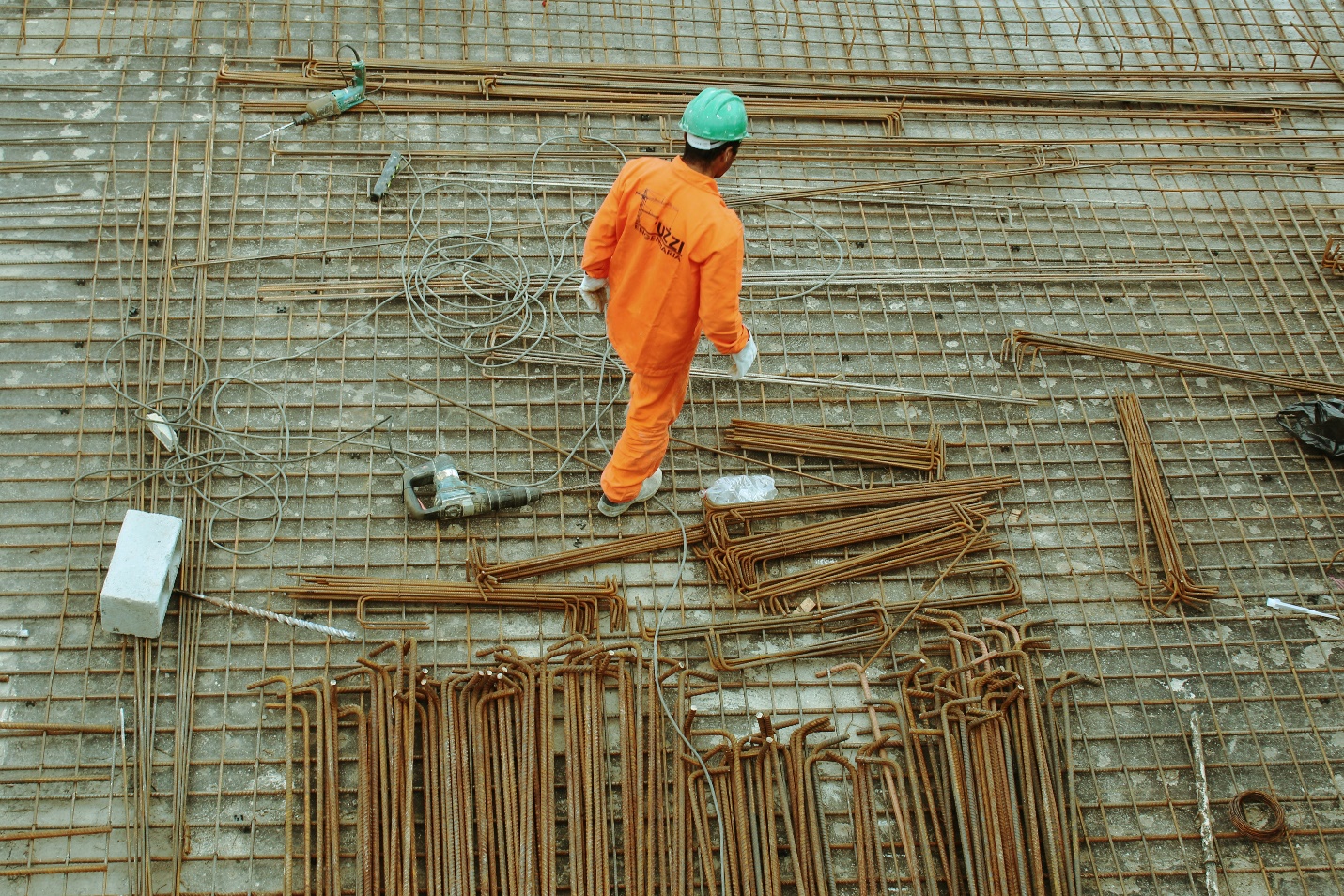
Image Filename: Construction-Site
Image Alt Text: Constructor at a construction site
Image Caption: Strong scheduling insight can turn complex disputes into clear outcomes contact HPM Consultants today
Many disputes involve incomplete or unreliable project schedules. Updates may be missing, logic may be inconsistent, and records may not reflect actual progress.
Schedule reconstruction is the process of rebuilding the project timeline using available data. This includes reviewing baseline schedules, updates, daily reports, correspondence, and other project records.
The goal is to create a reliable timeline that reflects how the project actually progressed. Without this step, delay analysis lacks a solid foundation.
Reconstruction requires both technical skill and practical understanding of construction workflows. It is not simply about reading schedules. It involves identifying inconsistencies, correcting logic, and aligning records with actual site conditions.
Professionals working as construction delay experts often rely on reconstruction to establish a clear starting point for further analysis.
Understanding Causation in Delay Analysis
Identifying delays is only part of the process. The more important question is what caused those delays.
Causation analysis focuses on linking specific events to measurable impacts on the project schedule. This requires a detailed review of project records, including instructions, changes, site conditions, and coordination issues.
A delay may exist, but without proving causation, it cannot support a strong claim. For example, a late delivery may not affect the critical path if the activity has float. Similarly, multiple overlapping delays may require analysis to determine which party was responsible.
Causation analysis helps isolate the events that truly influenced project completion. This step is essential for assigning responsibility in disputes.
An experienced analysis expert witness ensures that causation is demonstrated using clear, evidence-based reasoning rather than assumptions.
The Importance of Forensic Scheduling
Forensic scheduling is the technical process used to analyze delays in construction disputes. It applies established methodologies to evaluate how events impacted the project timeline.
Common approaches include window analysis, time impact analysis, and as-built versus as-planned comparisons. Each method serves a specific purpose depending on the available data and project conditions.
Forensic scheduling requires a deep understanding of schedule logic, critical path analysis, and project sequencing. It also requires the ability to interpret incomplete or inconsistent records.
When performed correctly, forensic scheduling transforms raw project data into meaningful conclusions. It provides a structured explanation of how delays developed and how they affected the project.
A skilled construction expert witness uses forensic scheduling to present findings in a way that is both technically accurate and easy to understand.
Translating Technical Data for Legal Decisions
Construction schedules are complex. They include hundreds or thousands of activities, logic relationships, and updates that are not easily understood by non-technical audiences.
In disputes, this complexity must be simplified without losing accuracy. Courts and arbitration panels need clear explanations, not technical jargon.
Expert testimony bridges this gap. It translates detailed schedule analysis into conclusions that decision makers can rely on. This includes explaining how delays occurred, who was responsible, and what impact they had on the project.
This step is often where disputes are decided. Even strong analysis can fail if it is not presented clearly.
Professionals serving as a construction delay expert witness in San Diego are often required to communicate complex findings in a way that supports legal understanding and decision-making.
Why Clarity and Credibility Decide Outcomes
Delay analysis is not only about technical accuracy. It is also about credibility.
A clear and well-structured analysis builds confidence in the findings. It shows that conclusions are based on reliable data and consistent reasoning. On the other hand, unclear or inconsistent analysis can weaken even a valid claim.
Credibility is influenced by the quality of schedules, documentation, and methodology used in the analysis. It is also shaped by how well the expert explains their findings.
A construction scheduling expert witness in San Diego plays a key role in maintaining this credibility. Their ability to align technical analysis with clear communication ensures that the findings are both understandable and persuasive.
Regional Expertise and Context in Delay Analysis
Regional expertise allows analysts to understand how projects operate within specific locations. This includes familiarity with local construction standards, contractual practices, and project conditions.
Experts working as construction expert witnesses in San Diego, CA, bring this additional layer of understanding. They combine technical analysis with knowledge of the regional context, which can strengthen the overall evaluation of delays.
This combination of technical and contextual insight often adds depth to delay analysis and supports more accurate conclusions.
Delay Analysis as the Foundation of Dispute Resolution
In construction disputes, delay analysis often becomes the central point of evaluation. It provides the structure needed to understand complex timelines and assign responsibility.
Without it, disputes rely on incomplete information and conflicting narratives. With it, stakeholders can evaluate claims based on evidence and logical reasoning.
Delay analysis connects schedules, records, and events into a single narrative that explains what happened and why it matters. This clarity is what makes it such a powerful tool in dispute resolution.
Work With Experts Who Understand Delay Analysis

At HPM Consultants, we specialize in analyzing complex construction delays and translating them into clear, structured insights. We work closely with contractors, owners, and legal teams to evaluate schedules, identify causation, and explain delay impacts with precision.
Our team brings deep experience in forensic scheduling, delay analysis, and expert testimony.
Contact us today to discuss your project and get expert guidance on construction delay analysis.
FAQs
How does delay analysis help determine responsibility in construction disputes?
It links project events to schedule impact to identify what caused delays and who is responsible.
How can I hire a qualified construction delay analyst in San Diego, CA, for my project dispute?
Choose experts with proven delay analysis experience and strong project documentation review skills.
What does a construction delay expert witness in San Diego do in court cases?
They analyze schedules, identify delay causes, and present clear findings to support legal decisions.
How can a scheduling expert witness in San Diego help resolve project delays?
They evaluate timelines, identify issues, and provide structured analysis to clarify delay responsibility.