

In construction claims, looking back at delay events may appear to be the most straightforward way to determine what caused the project overrun. Once the project is complete, all the schedules, correspondence, and field records seem to be available for review. However, retrospective delay analysis often misses the full picture when it relies too heavily on reconstructed logic and hindsight assumptions. While backward-looking models are widely used in construction delay analysis, they can overlook site realities, dynamic sequencing, and the actual decisions made during execution. Without proper context, the conclusions may seem technically correct while still failing to capture the real drivers of delay.
Why Retrospective Reviews Are Common
A retrospective review examines delay events after the fact, usually after substantial completion or once a dispute has formally emerged.
This approach typically relies on:
- Final schedule updates
- Historical progress records
- Correspondence logs
- Delay notices
- Change order history
- Meeting minutes
- Progress photographs
Because all records are theoretically available, this method is commonly used in mediation, arbitration, and litigation.
A construction delay analyst in San Diego, CA, may use this approach to reconstruct the timeline of events and identify which activity allegedly affected project completion.
At first glance, this seems efficient.
However, the presence of records does not automatically guarantee that the conclusion reflects what truly happened in the field.
This is where retrospective delay analysis often becomes vulnerable.
The Risk of Hindsight Bias
One of the biggest issues with retrospective delay analysis is hindsight bias.
Hindsight bias occurs when the reviewer interprets past decisions using information that was not available when those decisions were made.
For example, after project completion, it may appear obvious that a long-lead material delay became critical.
But during the project, the team may have reasonably believed that available float, resequencing, or procurement recovery would absorb the impact.
That distinction matters significantly.
A proper forensic schedule analysis must evaluate what the project team knew at the time, not what became obvious months later.
This directly answers the question: Why does retrospective delay analysis fail in some claims?
It often fails because it judges real-time decisions with future knowledge.
That creates a distorted view of causation.
The Problem with Reconstructed Schedules
A major component of retrospective delay review is the use of reconstructed schedules.
These are models built after the project to simulate how a delay event allegedly affected the completion date.
While useful, reconstructed schedules come with important limitations.
Typical issues include:
- Assumed logic ties
- Estimated durations
- Missing progress data
- Recreated float values
- Simplified activity relationships
If the original schedule updates were incomplete or poorly maintained, the reconstruction often depends on assumptions.
Those assumptions can materially affect critical path analysis.
For example, a reconstructed model may identify structural steel as the controlling path, while field reports may show that inspection hold points and access restrictions were the true drivers.
This disconnect is one of the main reasons backward-looking models can miss the full picture.
Missing Field Context
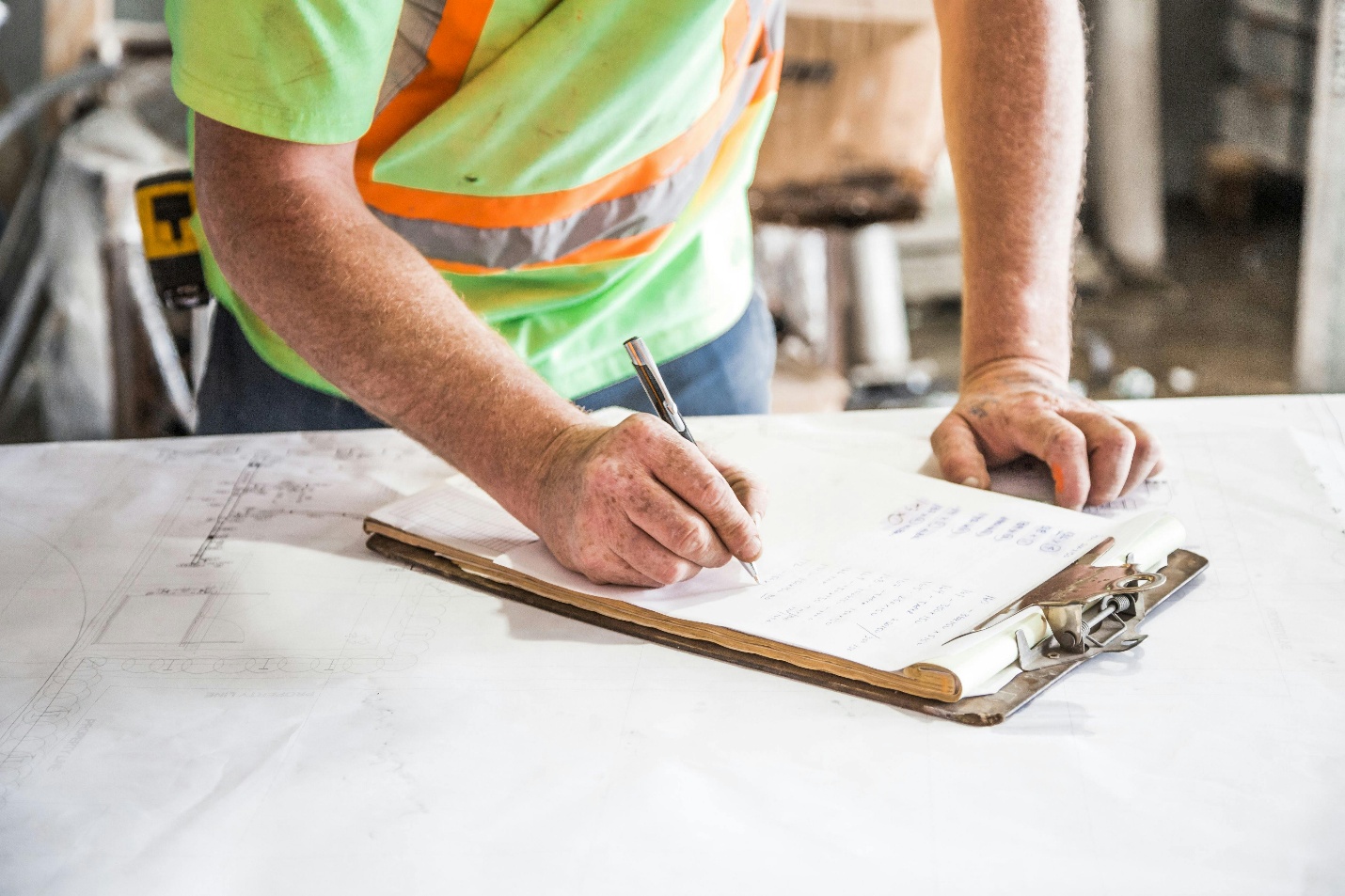
Schedules alone rarely capture actual site conditions.
Some of the most significant delay drivers are operational realities that may not appear clearly in the CPM model.
These include:
- Access restrictions
- Labor shortages
- Trade congestion
- Inspection bottlenecks
- Material delivery disruptions
- Productivity loss
- Out-of-sequence work
For example, the schedule may show that drywall installation started on time.
However, daily reports may reveal that MEP trades were still occupying the work area, causing severe inefficiency.
Without this field context, the retrospective review may misidentify the cause of delay.
A construction delay expert witness in San Diego will often test whether the schedule model reflects real field conditions rather than just theoretical sequencing.
How Backward-Looking Models Oversimplify Causation
Another weakness of retrospective delay analysis is oversimplification.
Real construction projects involve multiple overlapping events.
These may include:
- Concurrent delays
- Owner changes
- Weather impacts
- Procurement issues
- Labor inefficiencies
- Acceleration directives
A purely backward-looking model may compress this complexity into a simplified narrative.
This can lead to incomplete or misleading conclusions.
For example, the model may attribute all the delay to a contractor activity while ignoring owner-directed resequencing that consumed float earlier.
This is why construction delay experts in San Diego, CA often combine schedule review with contemporaneous field records.
A schedule alone rarely tells the full story.
Why Incomplete Conclusions Affect Claims

When the analysis lacks field context, the conclusions can directly affect:
- Liability allocation
- Extension of time entitlement
- Liquidated damages
- Disruption damages
- Delay responsibility
A technically polished report is not necessarily a complete one.
The real question is whether the analysis captures:
- What happened
- When it happened
- What was known at the time
- What actually drove completion
Without those elements, retrospective delay analysis may support the wrong claim narrative.
How to Strengthen Retrospective Reviews
A stronger construction delay analysis should combine:
- Contemporaneous records
- Daily reports
- Progress photographs
- Schedule updates
- Correspondence logs
- Reconstructed logic models
- Critical path validation
This approach reduces hindsight distortion and strengthens claim defensibility.
It also improves the credibility of the findings during dispute resolution.
Need Help Reviewing a Delay Claim?
At HPM Consultants, we help clients perform defensible retrospective delay analysis, detailed forensic schedule analysis, and expert critical path analysis for complex construction disputes. We work closely with owners, contractors, and legal teams to challenge hindsight assumptions, identify documentation gaps, and strengthen claim defensibility.
Contact us today so we can help review your delay records and support your dispute strategy with evidence-based findings.