


A construction manager faces growing pressure as timelines tighten, materials arrive late, and subcontractors juggle multiple commitments. Each day of delay increases costs and strains client trust. Time-related risks are a reality in every project, but their impact depends on how effectively they’re managed. With proper planning, clear communication, and expert analysis, construction managers can minimize these risks and keep projects on schedule, even in complex environments like San Diego’s fast-paced construction market.
Understanding Time-Related Risks
Time-related risks refer to any factors that threaten a project’s planned completion date. These risks vary across projects but often share similar patterns.
Common time-related risks include:
- Poorly developed or unrealistic schedules
- Insufficient labor or equipment resources
- Design changes and late approvals
- Material shortages or delayed deliveries
- Adverse weather conditions
- Unforeseen site challenges
Each of these can quickly compound if not addressed early. The ability to recognize and manage them effectively determines whether a project finishes on time or faces costly overruns.
The Importance of Proactive Scheduling
Proactive scheduling forms the foundation of time-risk management. A well-structured schedule identifies dependencies, sequences activities logically, and allocates resources efficiently. Working with a construction scheduling expert witness ensures these schedules are accurate, realistic, and aligned with contractual requirements.
A proactive approach includes:
- Developing a detailed baseline schedule early in the project
- Regularly updating progress to reflect actual conditions
- Using scheduling software to simulate delays and corrective measures
- Documenting changes and approvals promptly
When schedules are treated as living documents, they become powerful tools for anticipating and resolving timing challenges before they escalate.
Identifying and Addressing Early Warning Signs
Construction delays rarely happen overnight. Subtle warning signs often appear first, and recognizing them early can prevent widespread disruption.
Typical indicators include:
- Repeated missed milestones or extended task durations
- Inconsistent subcontractor performance
- Frequent changes to sequencing without documentation
- Lack of updated progress reports
- Declining productivity or material availability
By tracking these signals closely, construction managers can act before problems become unmanageable. Adjusting crew assignments, revising procurement plans, or clarifying responsibilities can restore schedule stability quickly.
The Expert’s Role in Managing Delays

When delays do occur, understanding their root cause is essential. A construction delay expert witness provides an objective analysis of what caused the slowdown, how it affected the schedule, and who is responsible.
Similarly, a delay damages an expert witness who examines the cost implications tied to lost time or inefficiencies. Their findings are invaluable for claims preparation and negotiation because they rely on evidence, not assumptions.
These professionals ensure accountability while helping managers build stronger documentation to defend against potential disputes.
Quantifying and Mitigating Damages
Even minor time losses can add up to significant financial consequences. Professionals such as a construction damages expert witness calculate how schedule disruptions affect costs, overhead, and resource allocation.
Their quantification process may include:
- Comparing actual productivity rates with planned targets
- Analyzing idle equipment or labor downtime
- Assessing additional supervision or extended general conditions
This data not only supports fair compensation in disputes but also helps managers design better mitigation plans for future projects. Quantified evidence strengthens both claims and internal evaluations of project efficiency.
Legal and Analytical Support
Construction projects often involve multiple contracts, timelines, and stakeholders. When delays or disputes arise, clarity is essential. A construction claims expert witness provides a forensic analysis of schedules, cost records, and communications to establish causation and accountability.
Their role extends beyond testimony. They help managers understand where documentation gaps exist and how to structure future records to meet contractual obligations. This proactive insight minimizes legal exposure and ensures that projects stay compliant with industry and client expectations.
Regional Expertise in Project Management
Every construction region has unique scheduling and operational challenges. For projects in California, a construction scheduling expert witness in San Diego brings critical insight into local permitting timelines, weather patterns, and labor markets.
Likewise, a construction delay expert witness in San Diego understands how regional construction standards and city regulations affect workflow and scheduling. Local expertise helps anticipate risks that out-of-area planners might overlook, providing a stronger foundation for both performance and accountability.
Incorporating regional expertise ensures schedules are not only efficient but also realistic within local industry constraints.
Strengthening Future Projects
Strong time management practices don’t just resolve current challenges—they create long-term improvement. Construction managers can take practical steps to reduce time-related risks in upcoming projects:
- Conduct regular progress reviews:Compare actual work completed against planned schedules.
- Implement risk registers:Identify, categorize, and monitor risks continuously.
- Document all changes promptly:Maintain a clear record of approved adjustments to scope and schedule.
- Collaborate with scheduling and claims experts:Bring professionals in early to review progress and recommend course corrections.
- Encourage transparency across teams:Open communication fosters accountability and trust among project participants.
Consistent application of these practices creates a culture of proactive risk management rather than reactive problem-solving.
The Cost of Poor Time Management

When time-related risks are ignored, consequences extend far beyond financial loss. Delayed projects can lead to penalties, strained client relationships, and damaged reputations.
Common outcomes of poor time management include:
- Liquidated damages:Contractual penalties for late completion.
- Lost productivity:Reduced efficiency across teams and trades.
- Increased overhead:Extended supervision, rental costs, and financing charges.
- Disputed claims:Escalation to costly legal action.
In competitive markets, reputation is everything. Repeated schedule overruns can undermine credibility and limit future opportunities.
The Role of Expert Collaboration
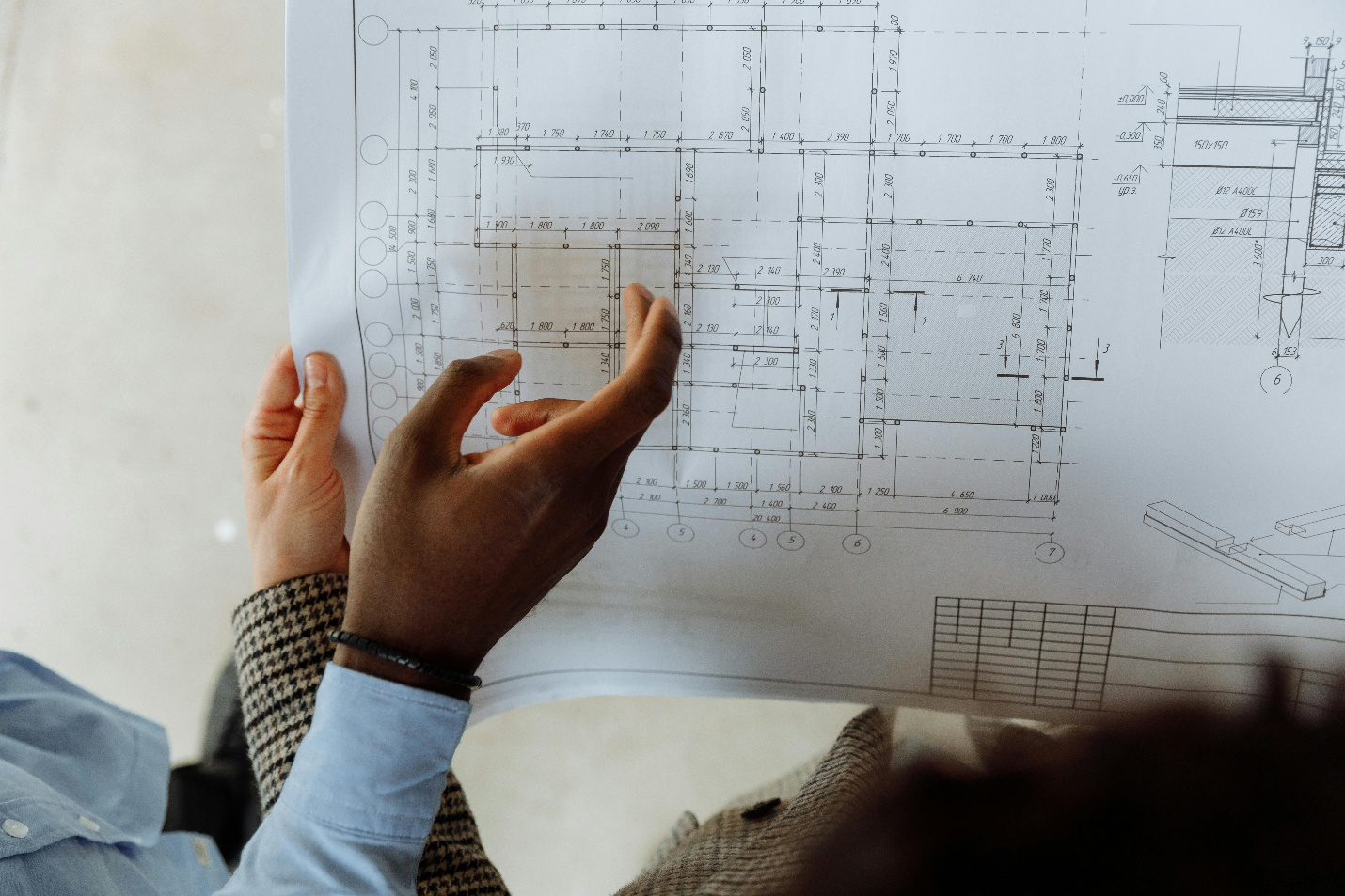
Collaborating with experienced professionals enhances every stage of project delivery. A delay damages expert brings analytical precision that complements management experience. Their evaluations of time loss and cost impact strengthen the reliability of project records.
Equally, experts like the construction scheduling expert witness translate technical findings into clear, actionable insights that support both operational and legal outcomes. Their contribution ensures that project decisions are guided by facts, helping managers balance deadlines with quality and cost objectives.
Expert collaboration turns complex scheduling challenges into manageable, data-driven strategies that safeguard time, money, and reputation.
Building a Culture of Time Awareness
Minimizing time-related risks is not a one-time exercise but an ongoing organizational mindset. Construction managers who cultivate time awareness across their teams see better accountability, fewer surprises, and stronger performance. This culture starts with leadership that values accurate reporting, open dialogue, and proactive decision-making.
Encouraging team members to flag scheduling concerns early creates an environment where potential issues are viewed as shared challenges rather than individual mistakes. Regular workshops, progress reviews, and transparent communication channels help every participant understand how their role impacts the overall schedule.
Turning Insights into Long-Term Value
The lessons learned from one project can transform the success of the next. Construction managers who review delay patterns, performance data, and expert recommendations gain valuable foresight for future planning. Each completed project becomes a source of measurable insight, helping refine scheduling strategies and reduce recurring risks. By treating every outcome as experience gained, managers turn challenges into long-term efficiency and sustained project excellence.
Manage Time Risks with Expert Precision

At HPM Consultants, we specialize in helping construction managers, owners, and contractors control time-related risks through data-driven scheduling and delay analysis. Our team includes experienced scheduling and claims experts who provide the insight, documentation, and testimony needed to manage risk and resolve disputes effectively.
From planning to litigation support, we help our clients protect their projects, maintain accountability, and minimize exposure to costly time-related claims. Through professional analysis and collaboration, we ensure every project operates on solid, defensible scheduling foundations.
Contact us today to strengthen your case with credible expert witness support.