
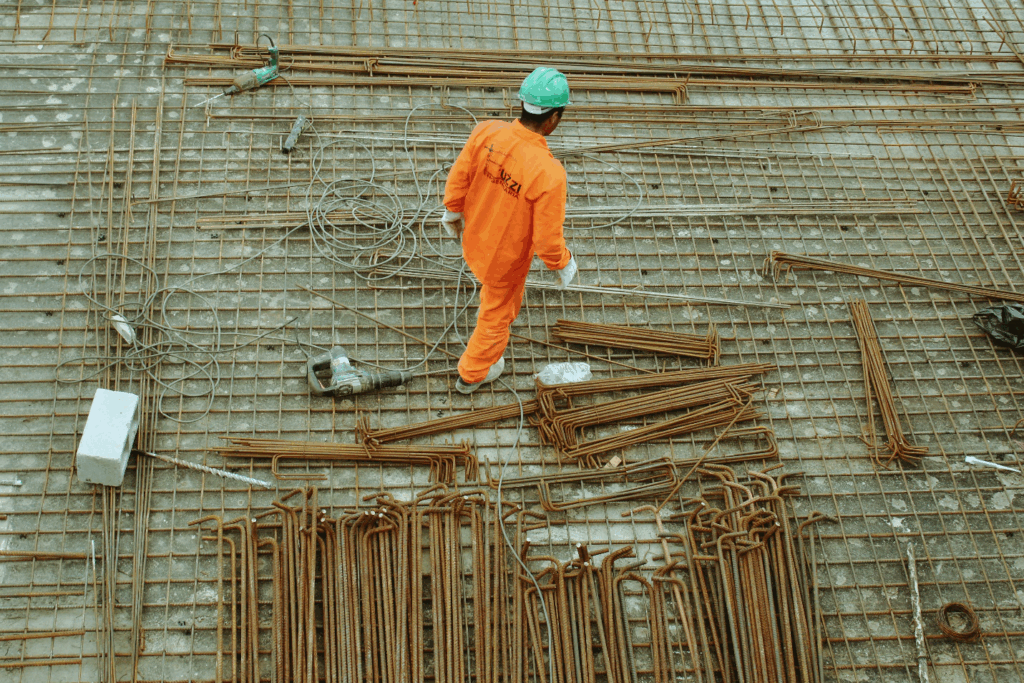

A multi-million-dollar infrastructure project is nearing completion when disputes erupt over missed deadlines, lost productivity, and added costs. The contractor blames design changes and unexpected conditions, while the owner argues that poor scheduling and resource allocation caused the setbacks. In cases like this, success in litigation depends on more than opinion; it depends on facts supported by data and expert interpretation. That is where delay and disruption analysis becomes indispensable, helping courts, owners, and contractors uncover the truth behind construction delays.
Understanding Delay and Disruption Analysis
Delay and disruption analysis is a structured method for examining project performance, identifying causes of delay, and measuring their effects on cost and time. In construction disputes, it clarifies how events unfolded, who was responsible, and what financial impact those events created.
Experts performing this analysis use project schedules, correspondence, change orders, and site records to reconstruct events in detail. The goal is to determine not only when a delay occurred but also how it influenced the overall completion date and project productivity.
For litigation purposes, this clarity is vital. Without precise, evidence-based analysis, it becomes nearly impossible to separate genuine claims from speculation.
The Role of Evidence in Litigation
Construction litigation revolves around proof. Judges and arbitrators rely heavily on factual documentation to determine liability and damages. This is where experts such as a construction scheduling expert witness and a construction claims expert witness make a critical impact.
They interpret technical evidence like schedules, baseline plans, and progress reports, connecting them to contractual obligations and project performance. Key supporting materials often include:
- Daily progress logs and time sheets
- Updated project schedules
- Written correspondence and meeting records
- Change orders and delay notices
This evidence provides the foundation for expert analysis, allowing the court to understand the sequence of events rather than competing narratives.
Key Components of Effective Analysis
Delay and disruption analysis involves multiple methodologies tailored to the nature and complexity of each case. A construction delay expert witness typically applies recognized techniques such as:
- As-Planned vs. As-Built Analysis:Comparing the original project plan with actual progress to measure variances.
- Time-Impact Analysis:Evaluating how specific events affected completion.
- Windows Analysis:Breaking down the project into time periods to isolate distinct causes of delay.
- Productivity Studies:Measuring how disruptions impacted labor output and efficiency.
These approaches transform raw data into structured insight, helping parties establish cause, effect, and accountability.
Linking Damages to Delays
Quantifying losses is one of the most complex aspects of delay-related litigation. That’s where specialists like a delay damages expert or construction damages expert witness come in.
They translate time loss into financial impact by evaluating extended overhead costs, idle equipment, and reduced labor efficiency. This process ensures that compensation aligns with verifiable damages rather than broad estimates.
In disputes involving disruption, financial analysis becomes even more intricate. For example, a subcontractor may experience productivity loss without a direct schedule delay. Expert quantification distinguishes these subtleties, ensuring fair compensation across all affected parties.
The Expert Witness Perspective
Expert witnesses serve as translators between technical project data and the legal system. Their ability to explain complex scheduling and cost relationships in plain terms makes them invaluable to both sides of a dispute.
A credible expert brings three critical qualities:
- Objectivity:Offering impartial analysis based on evidence, not advocacy.
- Clarity:Explaining findings in straightforward, understandable language.
- Credibility:Supporting opinions with recognized methodologies and industry experience.
Through reports, depositions, and courtroom testimony, experts bridge the gap between technical data and legal interpretation, guiding decision-makers toward fair, informed conclusions.
Why Expert Testimony Matters in Complex Cases
Large infrastructure projects, particularly in urban centers like Los Angeles, often involve multiple contractors, overlapping responsibilities, and tight timelines. In these settings, local knowledge matters. A construction delay expert witness in Los Angeles understands the city’s permitting processes, labor markets, and environmental considerations that can influence schedule performance.
Such regional insight ensures that analysis reflects real-world conditions rather than theoretical models. Courts rely on these localized perspectives to assess whether delays were foreseeable, avoidable, or outside the contractor’s control.
Common Challenges in Delay and Disruption Claims
Despite the importance of accurate analysis, many disputes are complicated by incomplete or inconsistent information. Common challenges include:
- Missing or inaccurate project documentation
- Multiple concurrent causes of delay
- Poor communication between project participants
- Failure to update schedules regularly
In these situations, the role of experts becomes even more critical. They reconstruct missing data through corroborating evidence, interviewing project teams, and using logical analysis to fill gaps. Without expert intervention, such cases often rely on subjective accounts rather than demonstrable proof.
Legal Relevance and Case Outcomes
In litigation, courts weigh expert testimony alongside contractual terms and documented evidence to determine responsibility. Expert findings often become the deciding factor in whether a party is held liable or entitled to damages.
For instance, an expert may demonstrate that a contractor’s delay was actually caused by late owner approvals or unforeseen design changes. Alternatively, the analysis may reveal that a subcontractor failed to maintain adequate progress, justifying withheld payments.
Judges depend on these insights to ensure that financial awards correspond to verified causation. This objectivity enhances the integrity of the legal process, reducing the influence of emotion or conjecture.
Best Practices for Project Teams
1. Maintain accurate documentation:
Keep daily logs, cost records, and schedule updates consistent throughout the project.
2. Track and communicate changes immediately:
Issue formal notices for scope adjustments, access delays, or differing conditions.
3. Monitor productivity in real time:
Identify potential disruptions early to prevent cascading effects on the schedule.
4. Involve experts early:
Consulting a construction claims expert witness during the project, not only after disputes arise, can help assess risk and maintain compliance with contractual requirements.
5. Foster transparency among all parties:
Open communication between contractors, owners, and subcontractors builds accountability and trust.
These practices not only reduce the likelihood of claims but also strengthen evidence should litigation become unavoidable.
Looking Ahead: The Evolving Role of Experts
As construction projects grow more complex, the tools and techniques used in delay and disruption analysis continue to evolve. Digital documentation, Building Information Modeling (BIM), and data analytics now allow experts to assess progress with greater precision.
In the near future, artificial intelligence will enhance this process even further. Machine learning can identify patterns in project performance, forecast potential risks, and automate data organization—reducing the time and cost of forensic investigations.
However, while technology assists in gathering data, human expertise remains irreplaceable. The judgment, interpretation, and contextual understanding that professionals bring cannot be replicated by algorithms. Experts continue to play a crucial role in ensuring that evidence is analyzed fairly and presented with integrity.
Resolve Construction Disputes with Trusted Expert Guidance

At HPM Consultants, we help clients navigate complex delay and disruption disputes with accuracy and confidence. Our experts bring years of experience analyzing construction schedules, quantifying losses, and presenting findings in a clear, defensible manner. We combine technical precision with practical understanding to support fair outcomes in every case.
Whether your project involves missed deadlines, productivity losses, or disputed claims, our team provides the clarity and credibility that litigation demands. Trust our professionals to uncover the facts and present them with authority.
Contact us today to strengthen your case with credible expert witness support.
